• HOME
  • NEWS
  • EXPLORE
    • CAREER
      • Companies
      • Jobs
    • EVENTS
    • iGEM
      • News
      • Team
    • PHOTOS
    • VIDEO
    • WIKI
  • BLOG
  • COMMUNITY
    • FACEBOOK
    • INSTAGRAM
    • TWITTER
Monday, May 11, 2026
BIOENGINEER.ORG
No Result
View All Result
  • Login
  • HOME
  • NEWS
  • EXPLORE
    • CAREER
      • Companies
      • Jobs
        • Lecturer
        • PhD Studentship
        • Postdoc
        • Research Assistant
    • EVENTS
    • iGEM
      • News
      • Team
    • PHOTOS
    • VIDEO
    • WIKI
  • BLOG
  • COMMUNITY
    • FACEBOOK
    • INSTAGRAM
    • TWITTER
  • HOME
  • NEWS
  • EXPLORE
    • CAREER
      • Companies
      • Jobs
        • Lecturer
        • PhD Studentship
        • Postdoc
        • Research Assistant
    • EVENTS
    • iGEM
      • News
      • Team
    • PHOTOS
    • VIDEO
    • WIKI
  • BLOG
  • COMMUNITY
    • FACEBOOK
    • INSTAGRAM
    • TWITTER
No Result
View All Result
Bioengineer.org
No Result
View All Result
Home NEWS Science News Biology

Majority of groundwater stores resilient to climate change

Bioengineer by Bioengineer
August 26, 2020
in Biology
Reading Time: 2 mins read
0
IMAGE
Share on FacebookShare on TwitterShare on LinkedinShare on RedditShare on Telegram

New study suggests fewer resources are depleting than previously estimated, but authors urge caution in unsustainable extraction levels
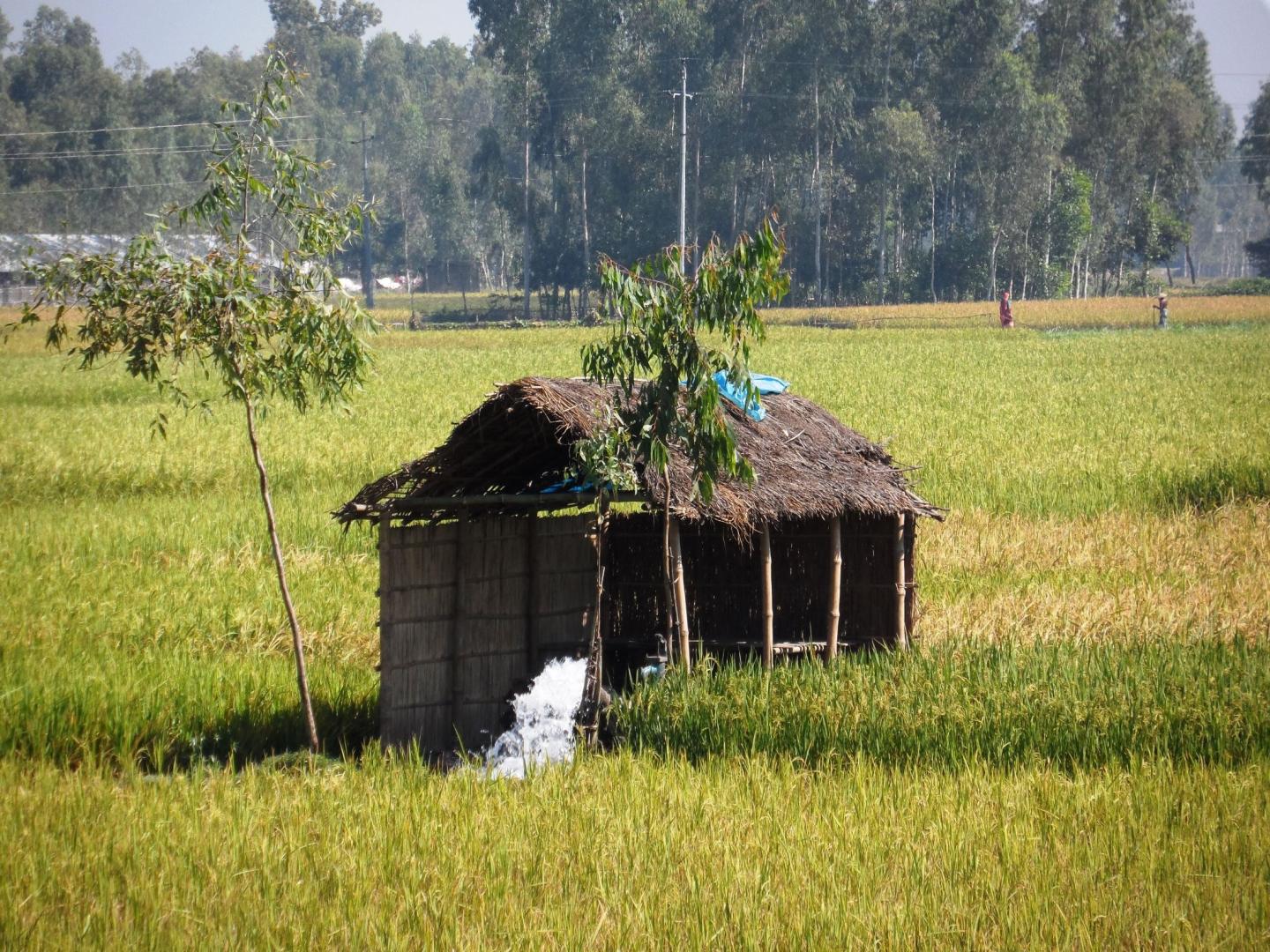
IMAGE

Credit: Mohammed Shamshudda/Richard Taylor

Fewer of the world’s large aquifers are depleting than previously estimated, according to a new study by the University of Sussex and UCL.

Groundwater, the world’s largest distributed store of freshwater, plays a critical role in supplying water for irrigation, drinking and industry, and sustaining vital ecosystems.

Previous global studies of changes in groundwater storage, estimated using data from the GRACE (Gravity Recovery and Climate Experiment) satellite mission and global models, have concluded that intensifying human water withdrawals in the majority of the world’s large aquifer systems are causing a sustained reduction in groundwater storage, depleting groundwater resources.

Yet this new study, published in Earth System Dynamics, reveals that depletion is not as widespread as reported, and that replenishment of groundwater storage depends upon extreme rainfall that is increasing under global climate change.

Lead author, Dr Mohammad Shamsudduha, Lecturer in Physical Geography and a member of the Sussex Sustainability Research Programme at the University of Sussex, said: “The cloud of climate change has a silver lining for groundwater resources as it favours greater replenishment from episodic, extreme rainfalls in some aquifers located around the world mainly in dry environments. This new analysis provides a benchmark alongside conventional, ground-based monitoring of groundwater levels to assess changes in water storage in aquifers over time. This information is essential to inform sustainable management of groundwater resources.”

This new study updates and extends previous analyses, accounting for strong seasonality in groundwater storage in the analysis of trends. It shows that a minority (only 5) of the world’s 37 large aquifers is undergoing depletion that requires further attention for better management.

Co-author, Professor of Hydrogeology, Richard Taylor from UCL Geography, said: “The findings do not deny that groundwater depletion is occurring in many parts of the world but that the scale of this depletion, frequently associated with irrigation in drylands, is more localised than past studies have suggested and often occurs below a large (~100 000 km2) ‘footprint’ of mass changes tracked by a pair of GRACE satellites.”

For the majority, trends are non-linear and irregular, exhibiting considerable variability in volume over time. The study shows further that variability in groundwater storage in drylands is influenced positively and episodically by years of extreme (>90th percentile) precipitation.

For example, in the Great Artesian Basin of Australia, extreme seasonal rainfall over two successive summers in 2010 and 2011 increased groundwater storage there by ~90 km3, more than ten times total annual freshwater withdrawals in the UK. Elsewhere in the Canning Basin of Australia, however, groundwater depletion is occurring at a rate of 4.4 km3 each year that is associated with its use in the extraction of iron ore.

To avoid continued depletion of aquifers, the study promotes sustainable groundwater withdrawals through augmented replenishments from extreme rainfall and ‘managed aquifer recharge’ practices.

###

Media Contact
Stephanie Allen
[email protected]

Related Journal Article

http://dx.doi.org/10.5194/esd-11-755-2020

Tags: Climate ChangeEarth ScienceGeographyHydrology/Water ResourcesWeather/Storms
Share12Tweet8Share2ShareShareShare2

Related Posts

Ancient Plant Populations Reveal Fresh Insights into Climate Resilience — Biology

Ancient Plant Populations Reveal Fresh Insights into Climate Resilience

May 8, 2026
Rare Brain Disorders in Children Linked to Mutations in Lesser-Known Protein Complex — Biology

Rare Brain Disorders in Children Linked to Mutations in Lesser-Known Protein Complex

May 8, 2026

From Odd Insect to Underwater Predator: The Remarkable Evolution of a Bloodthirsty Fruit Fly

May 8, 2026

SNU Professor Sangwoo Seo’s Team Develops Next-Generation CRISPR Biocontainment Technology to Control Microbial Survival Without DNA Cleavage

May 8, 2026
Please login to join discussion

POPULAR NEWS

  • Research Indicates Potential Connection Between Prenatal Medication Exposure and Elevated Autism Risk

    840 shares
    Share 336 Tweet 210
  • New Study Reveals Plants Can Detect the Sound of Rain

    727 shares
    Share 290 Tweet 181
  • Salmonella Haem Blocks Macrophages, Boosts Infection

    61 shares
    Share 24 Tweet 15
  • Breastmilk Balances E. coli and Beneficial Bacteria in Infant Gut Microbiomes

    57 shares
    Share 23 Tweet 14

About

We bring you the latest biotechnology news from best research centers and universities around the world. Check our website.

Follow us

Recent News

New Post-Hoc Analysis Explores Daily Oral Orforglipron Use in Adults Over 65 with Obesity, Regardless of Diabetes Status

Evaluating Digoxin Use in Patients with Symptomatic Rheumatic Heart Disease

Evaluating the Effectiveness and Safety of Digitalis Glycosides in Treating Heart Failure

Subscribe to Blog via Email

Enter your email address to subscribe to this blog and receive notifications of new posts by email.

Join 82 other subscribers
  • Contact Us

Bioengineer.org © Copyright 2023 All Rights Reserved.

Welcome Back!

Login to your account below

Forgotten Password?

Retrieve your password

Please enter your username or email address to reset your password.

Log In
No Result
View All Result
  • Homepages
    • Home Page 1
    • Home Page 2
  • News
  • National
  • Business
  • Health
  • Lifestyle
  • Science

Bioengineer.org © Copyright 2023 All Rights Reserved.