• HOME
  • NEWS
  • EXPLORE
    • CAREER
      • Companies
      • Jobs
    • EVENTS
    • iGEM
      • News
      • Team
    • PHOTOS
    • VIDEO
    • WIKI
  • BLOG
  • COMMUNITY
    • FACEBOOK
    • INSTAGRAM
    • TWITTER
Sunday, August 16, 2026
BIOENGINEER.ORG
No Result
View All Result
  • Login
  • HOME
  • NEWS
  • EXPLORE
    • CAREER
      • Companies
      • Jobs
        • Lecturer
        • PhD Studentship
        • Postdoc
        • Research Assistant
    • EVENTS
    • iGEM
      • News
      • Team
    • PHOTOS
    • VIDEO
    • WIKI
  • BLOG
  • COMMUNITY
    • FACEBOOK
    • INSTAGRAM
    • TWITTER
  • HOME
  • NEWS
  • EXPLORE
    • CAREER
      • Companies
      • Jobs
        • Lecturer
        • PhD Studentship
        • Postdoc
        • Research Assistant
    • EVENTS
    • iGEM
      • News
      • Team
    • PHOTOS
    • VIDEO
    • WIKI
  • BLOG
  • COMMUNITY
    • FACEBOOK
    • INSTAGRAM
    • TWITTER
No Result
View All Result
Bioengineer.org
No Result
View All Result
Home NEWS Science News Health

Major research in the Northern Netherlands into risk factors for coronavirus

Bioengineer by Bioengineer
March 30, 2020
in Health
Reading Time: 2 mins read
0
IMAGE
Share on FacebookShare on TwitterShare on LinkedinShare on RedditShare on Telegram

IMAGE

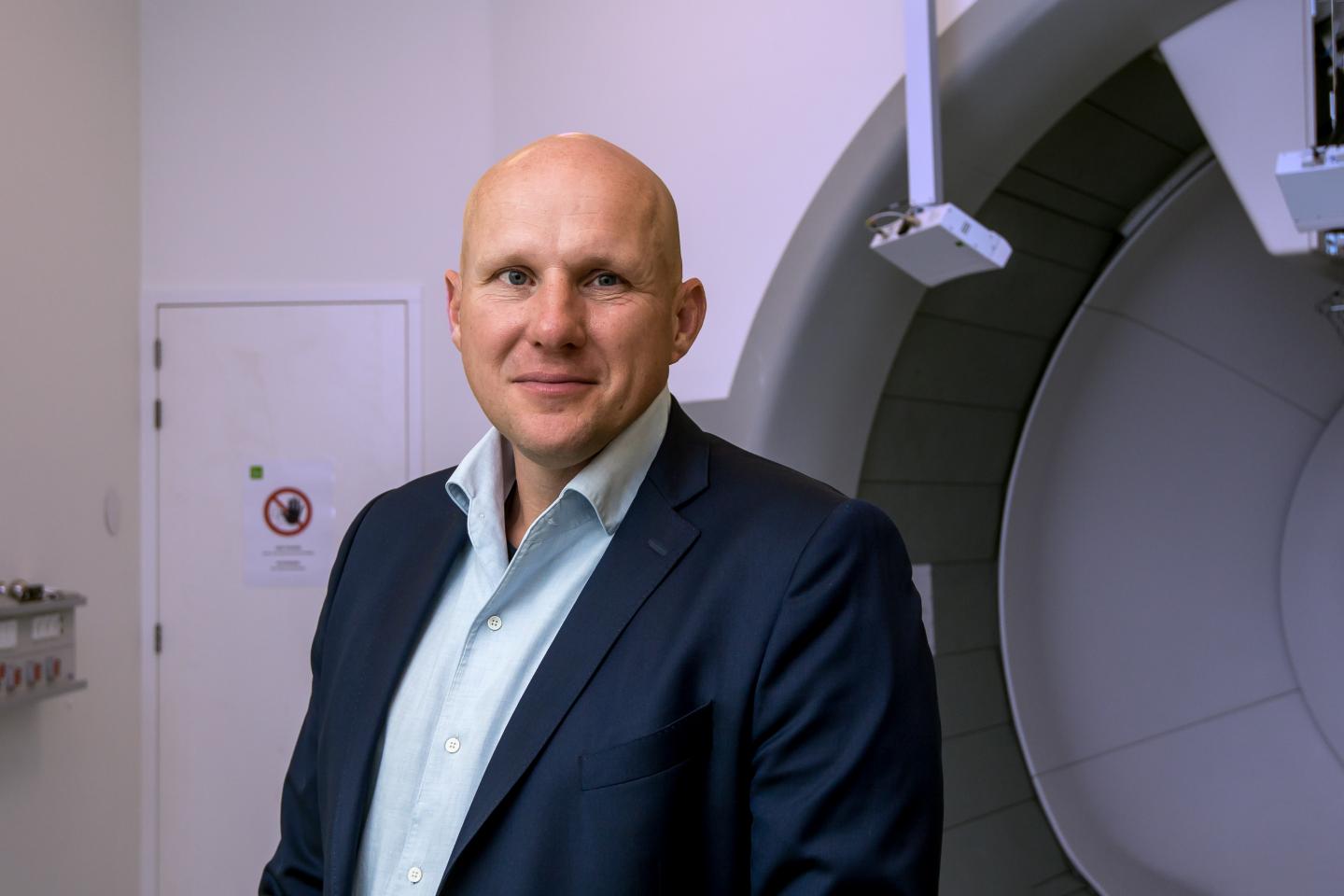
Credit: University Medical Center Groningen

This week, large-scale research into the risk factors for the coronavirus COVID-19 is being started in the Northern Netherlands. To this end, around 135,000 Northern residents will receive a weekly questionnaire in the coming period. Their answers will be linked to data from the Lifelines biobank to identify both hereditary and environmental factors that partially determine whether someone may fall seriously ill due to the coronavirus or simply develop mild symptoms.

Genetically determined?

The weekly questionnaire will be sent to participants of the Lifelines and NEXT research programmes. Their answers will be combined with previously gathered data, including genetic information. Head researcher Lude Franke, Professor of Genetics, explains: “With this research, we want to see whether there are differences between the DNA of people who have fallen seriously ill due to the coronavirus and people who have experienced mild symptoms.”

Influence on mental health

Furthermore, the extent to which the coronavirus influences Northern residents’ wellbeing will also be researched in this study. Is it making people feel gloomy or anxious? How is this affecting their dietary behaviour and health? How has this influenced their daily lives, including work? And what effects will this have in the longer term?

Mapping the spread

Thanks to this research, the spreading of the coronavirus across the three Northern provinces over the next few months will be mapped. This knowledge may help to more accurately predict what may happen in cases of infectious diseases or viruses in the future.

Northern Netherlands joins forces

The Lifelines coronavirus study is a joint initiative of the University Medical Center Groningen, the University of Groningen, the Aletta Jacobs School of Public Health and the Lifelines biobank. It was partly made possible by the University of the North, a collective of Northern knowledge institutions. Lifelines director Bert-Jan Souman: “It is extraordinary to see what we have organized together at such short notice. We are joining forces to broaden our knowledge on the coronavirus and to contribute to society through scientific research.”

Contributions by Lifelines participants

Only participants of the Lifelines and Lifelines NEXT research programmes are invited to contribute to this study. They will receive an email invitation to this end. More information can be found at http://www.lifelines.nl/covid19.

###

Media Contact
Jorien Bakker
[email protected]

Original Source

https://www.rug.nl/news/2020/03/groot-onderzoek-in-noord-nederland-naar-risicofactoren-voor-coronavirus

Tags: EpidemiologyInfectious/Emerging DiseasesMedicine/HealthPublic HealthVirology
Share12Tweet8Share2ShareShareShare2

Related Posts

PARP1 Drives Neuropathic Pain Through GPX4-Dependent Ferroptosis in Injured Mice’s Sensory Neurons

August 15, 2026

Genome-wide skin pQTL map reveals genetic regulators and mechanisms underlying skin disorders

August 15, 2026

Levistilide A Drives Ferroptosis via RNF40-HSP90α Axis, Suppressing Colorectal Cancer Lung Metastasis

August 15, 2026

Sintilimab, IBI305, and Chemotherapy Show Promise in First-Line Advanced Gastric and GEJ Adenocarcinoma

August 15, 2026
Please login to join discussion

POPULAR NEWS

  • KAIST develops semiconductor neuron that harnesses noise to selectively process signals

    29 shares
    Share 12 Tweet 7
  • Imagining natural and extra robotic thumbs together strengthens kinesthetic sensorimotor networks

    29 shares
    Share 12 Tweet 7
  • PARP1 Drives Neuropathic Pain Through GPX4-Dependent Ferroptosis in Injured Mice’s Sensory Neurons

    29 shares
    Share 12 Tweet 7
  • Strubbelig–NHL3 Receptor Complex Helps Arabidopsis Respond to Cellulose Deficiency

    29 shares
    Share 12 Tweet 7

About

We bring you the latest biotechnology news from best research centers and universities around the world. Check our website.

Follow us

Recent News

KAIST develops semiconductor neuron that harnesses noise to selectively process signals

Imagining natural and extra robotic thumbs together strengthens kinesthetic sensorimotor networks

PARP1 Drives Neuropathic Pain Through GPX4-Dependent Ferroptosis in Injured Mice’s Sensory Neurons

Subscribe to Blog via Email

Success! An email was just sent to confirm your subscription. Please find the email now and click 'Confirm' to start subscribing.

Join 85 other subscribers
  • Contact Us

Bioengineer.org © Copyright 2023 All Rights Reserved.

Welcome Back!

Login to your account below

Forgotten Password?

Retrieve your password

Please enter your username or email address to reset your password.

Log In
No Result
View All Result
  • Homepages
    • Home Page 1
    • Home Page 2
  • News
  • National
  • Business
  • Health
  • Lifestyle
  • Science

Bioengineer.org © Copyright 2023 All Rights Reserved.