• HOME
  • NEWS
  • EXPLORE
    • CAREER
      • Companies
      • Jobs
    • EVENTS
    • iGEM
      • News
      • Team
    • PHOTOS
    • VIDEO
    • WIKI
  • BLOG
  • COMMUNITY
    • FACEBOOK
    • INSTAGRAM
    • TWITTER
Monday, May 11, 2026
BIOENGINEER.ORG
No Result
View All Result
  • Login
  • HOME
  • NEWS
  • EXPLORE
    • CAREER
      • Companies
      • Jobs
        • Lecturer
        • PhD Studentship
        • Postdoc
        • Research Assistant
    • EVENTS
    • iGEM
      • News
      • Team
    • PHOTOS
    • VIDEO
    • WIKI
  • BLOG
  • COMMUNITY
    • FACEBOOK
    • INSTAGRAM
    • TWITTER
  • HOME
  • NEWS
  • EXPLORE
    • CAREER
      • Companies
      • Jobs
        • Lecturer
        • PhD Studentship
        • Postdoc
        • Research Assistant
    • EVENTS
    • iGEM
      • News
      • Team
    • PHOTOS
    • VIDEO
    • WIKI
  • BLOG
  • COMMUNITY
    • FACEBOOK
    • INSTAGRAM
    • TWITTER
No Result
View All Result
Bioengineer.org
No Result
View All Result
Home NEWS Science News Chemistry

It’s not just fish, plastic pollution harms the bacteria that help us breathe

Bioengineer by Bioengineer
May 14, 2019
in Chemistry
Reading Time: 2 mins read
0
IMAGE
Share on FacebookShare on TwitterShare on LinkedinShare on RedditShare on Telegram

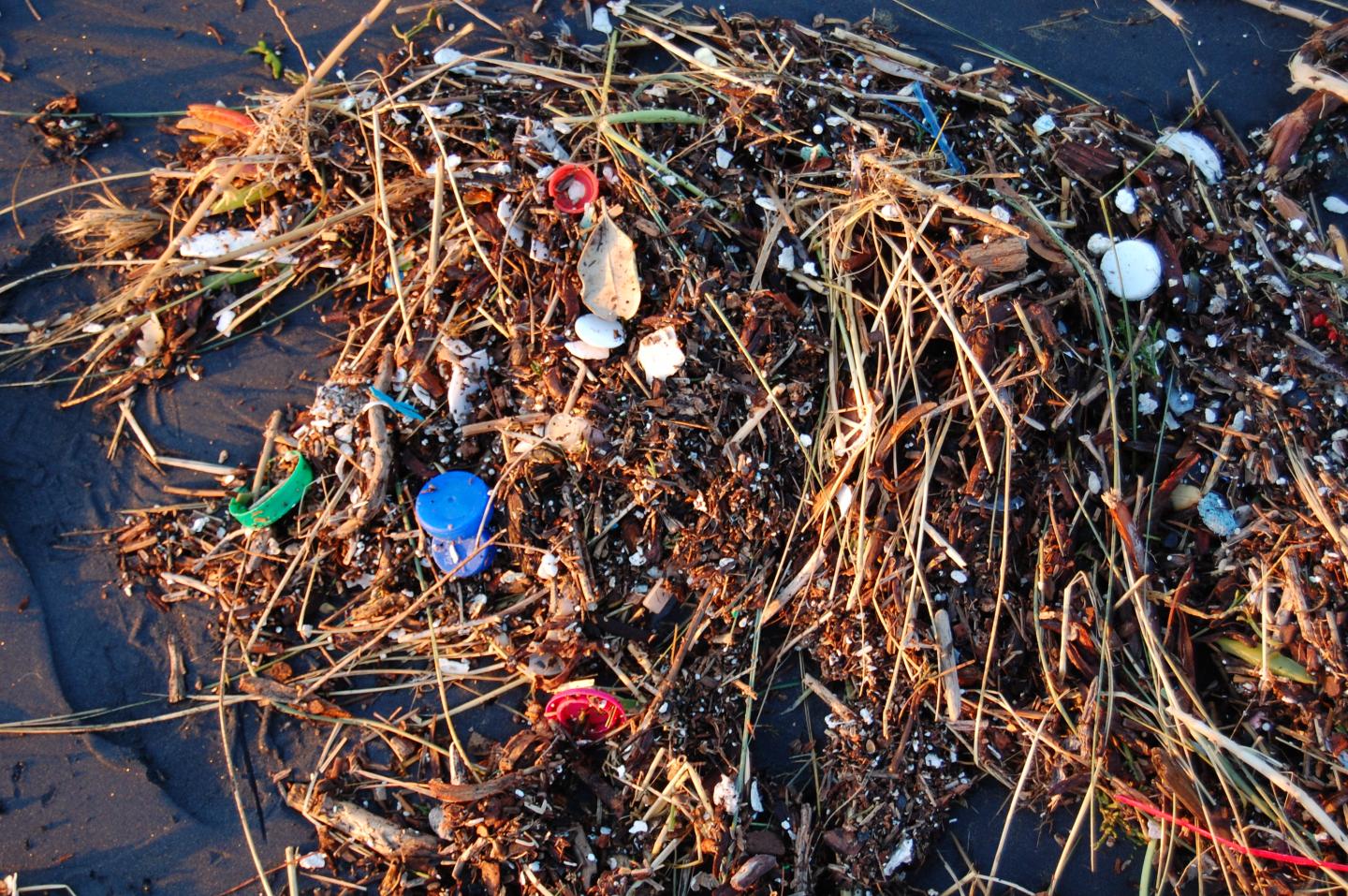
IMAGE

Credit: Kevin Krejci

Ten per cent of the oxygen we breathe comes from just one kind of bacteria in the ocean. Now laboratory tests have shown that these bacteria are susceptible to plastic pollution, according to a study published in Communications Biology.

“We found that exposure to chemicals leaching from plastic pollution interfered with the growth, photosynthesis and oxygen production of Prochlorococcus, the ocean’s most abundant photosynthetic bacteria,” says lead author and Macquarie University researcher Dr Sasha Tetu.

“Now we’d like to explore if plastic pollution is having the same impact on these microbes in the ocean.”

Plastic pollution has been estimated to cause more than US$13 billion in economic damage to marine ecosystems each year, and the problem is only getting worse with marine plastic pollution estimated to outweigh fish by 2050.

“This pollution can leach a variety of chemical additives into marine environments, but unlike the threats posed by animals ingesting or getting entangled in plastic debris the threat these leachates pose to marine life has received relatively little attention,” says Dr Lisa Moore, a co-author on the paper.

In the first study of its kind, the researchers looked at the effects these chemicals have on the smallest life in our oceans, photosynthetic marine bacteria.

“We looked at a group of tiny, green bacteria called Prochlorococcus which is the most abundant photosynthetic organism on Earth, with a global population of around three octillion (~1027) individuals,” says Sasha.

These microbes are heavy lifters when it comes to carbohydrate and oxygen production in the ocean via photosynthesis.

“These tiny microorganisms are critical to the marine food web, contribute to carbon cycling and are thought to be responsible for up to 10 per cent of the total global oxygen production,” says Lisa, explaining the fundamental importance of these microbes to ocean health.

“So one in every ten breaths of oxygen you breathe in is thanks to these little guys, yet almost nothing is known about how marine bacteria, such as Prochlorococcus respond to human pollutants.”

In the lab, the team exposed two strains of Prochlorococcus found at different depths in the ocean to chemicals leached from two common plastic products–grey plastic grocery bags (made from high-density polyethylene) and PVC matting.

They found that exposure to these chemicals impaired the growth and function of these microbes–including the amount of oxygen they produce–as well as altering the expression of a large number of their genes.

“Our data shows that plastic pollution may have widespread ecosystem impacts beyond the known effects on macro-organisms, such as seabirds and turtles,” says Sasha.

“If we truly want to understand the full impact of plastic pollution in the marine environment and find ways to mitigate it, we need to consider its impact on key microbial groups, including photosynthetic microbes.”

###

Media Contact
Suzannah Lyons
[email protected]

Related Journal Article

http://dx.doi.org/10.1038/s42003-019-0410-x

Tags: BacteriologyBiochemistryBiologyEcology/EnvironmentGenesMarine/Freshwater BiologyPollution/Remediation
Share12Tweet8Share2ShareShareShare2

Related Posts

Humans and Zebra Finches Share Similar Speech Learning Techniques #ASA190 — Chemistry

Humans and Zebra Finches Share Similar Speech Learning Techniques #ASA190

May 11, 2026
Unveiling Dark Matter Through Molecular Insights — Chemistry

Unveiling Dark Matter Through Molecular Insights

May 11, 2026

From Touch to Sight: A Bioinspired Multisensory Framework Endows Robots with Human-Like Perception

May 11, 2026

Announcing the 2026 Carbon Future Young Investigator Award Winners

May 11, 2026
Please login to join discussion

POPULAR NEWS

  • Research Indicates Potential Connection Between Prenatal Medication Exposure and Elevated Autism Risk

    841 shares
    Share 336 Tweet 210
  • New Study Reveals Plants Can Detect the Sound of Rain

    728 shares
    Share 290 Tweet 182
  • Salmonella Haem Blocks Macrophages, Boosts Infection

    62 shares
    Share 25 Tweet 16
  • Breastmilk Balances E. coli and Beneficial Bacteria in Infant Gut Microbiomes

    57 shares
    Share 23 Tweet 14

About

We bring you the latest biotechnology news from best research centers and universities around the world. Check our website.

Follow us

Recent News

Humans and Zebra Finches Share Similar Speech Learning Techniques #ASA190

New Study Uncovers How Fungal Parasites Attack Strawberries and Raspberries

City of Hope Researchers to Present Groundbreaking Immunotherapy and Precision Medicine Advances Across Multiple Cancer Types at ASCO 2026

Subscribe to Blog via Email

Enter your email address to subscribe to this blog and receive notifications of new posts by email.

Join 82 other subscribers
  • Contact Us

Bioengineer.org © Copyright 2023 All Rights Reserved.

Welcome Back!

Login to your account below

Forgotten Password?

Retrieve your password

Please enter your username or email address to reset your password.

Log In
No Result
View All Result
  • Homepages
    • Home Page 1
    • Home Page 2
  • News
  • National
  • Business
  • Health
  • Lifestyle
  • Science

Bioengineer.org © Copyright 2023 All Rights Reserved.