• HOME
  • NEWS
  • EXPLORE
    • CAREER
      • Companies
      • Jobs
    • EVENTS
    • iGEM
      • News
      • Team
    • PHOTOS
    • VIDEO
    • WIKI
  • BLOG
  • COMMUNITY
    • FACEBOOK
    • INSTAGRAM
    • TWITTER
Monday, August 17, 2026
BIOENGINEER.ORG
No Result
View All Result
  • Login
  • HOME
  • NEWS
  • EXPLORE
    • CAREER
      • Companies
      • Jobs
        • Lecturer
        • PhD Studentship
        • Postdoc
        • Research Assistant
    • EVENTS
    • iGEM
      • News
      • Team
    • PHOTOS
    • VIDEO
    • WIKI
  • BLOG
  • COMMUNITY
    • FACEBOOK
    • INSTAGRAM
    • TWITTER
  • HOME
  • NEWS
  • EXPLORE
    • CAREER
      • Companies
      • Jobs
        • Lecturer
        • PhD Studentship
        • Postdoc
        • Research Assistant
    • EVENTS
    • iGEM
      • News
      • Team
    • PHOTOS
    • VIDEO
    • WIKI
  • BLOG
  • COMMUNITY
    • FACEBOOK
    • INSTAGRAM
    • TWITTER
No Result
View All Result
Bioengineer.org
No Result
View All Result
Home NEWS Science News Health

Introduction of flat-rate payments accompanied by an increase in readmission rates

Bioengineer by Bioengineer
February 15, 2019
in Health
Reading Time: 2 mins read
0
IMAGE
Share on FacebookShare on TwitterShare on LinkedinShare on RedditShare on Telegram

IMAGE

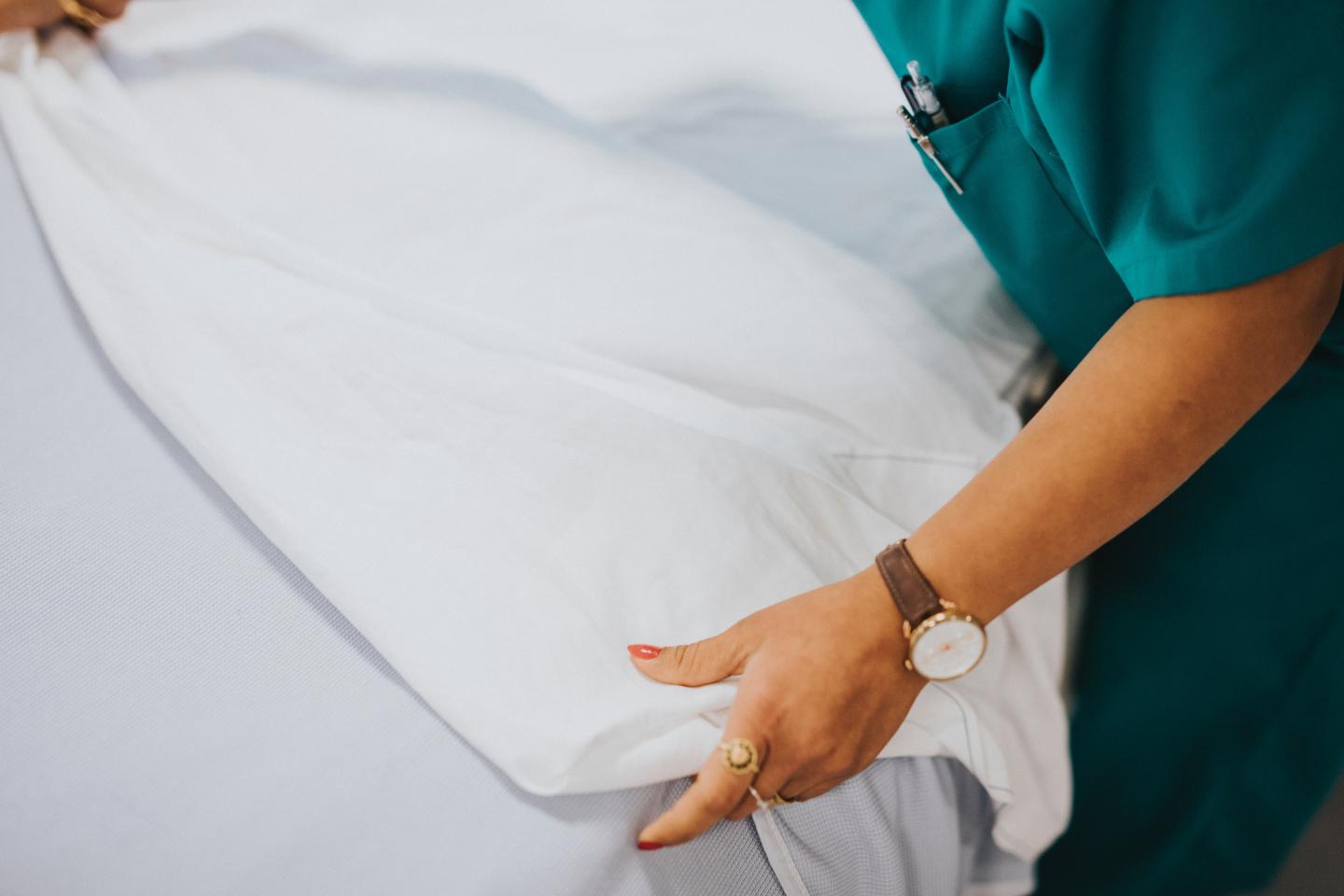
Credit: (Bild: Unsplash | CC0)


Seven years after the introduction of flat-rate payments at Swiss hospitals, a major study has revealed a slight increase in readmission rates. Researchers from the University of Basel and the cantonal hospital of Aarau reported the findings in the journal JAMA Network Open.

In January 2012, a flat-rate payment structure for inpatient hospital services was introduced across Switzerland in the form of the Swiss Diagnosis Related Groups (SwissDRG). Proponents of the new system hoped it would lead to a reduction in overcapacity, shorter lengths of stay, and slower cost increases. Critics, however, warned of the risks of early discharges from hospital.

Impact on healthcare

Researchers from the University of Basel and the cantonal hospital of Aarau have now conducted the first broad-based study on the impact of the new reimbursement model. Based on data from the Swiss Federal Statistical Office, they analyzed over 2.4 million hospitalizations throughout Switzerland from 2009 to 2015. The study period therefore includes three years prior to and four years after the change in the system.

Specifically, the study investigated the impact of the new hospital reimbursement model on length of hospital stay as well as on in-hospital mortality and 30-day readmission rates – important indicators of efficiency and quality of care.

No effect on length of hospital stay

It was clear that the length of hospital stay decreased steadily, from 8 to 7.2 days, over the whole study period – a trend that has not accelerated with the introduction of the new reimbursement system. Similarly, in-hospital mortality also decreased over the study period.

More readmissions

On the other hand, the rate at which patients returned to hospital within 30 days of discharge increased from 14.4% to 15.0%. “This slight but significant increase could potentially point to early discharges,” says Dr. Alexander Kutz, author of the study, although he adds that it is difficult to establish causal relationships because the study did not take account of factors such as post-discharge mortality.

Published in the journal JAMA Network Open, the study is the first to provide reliable insights into the impact of SwissDRG on the quality of care in Swiss hospitals. It highlights a need for additional and perhaps more sensitive analyses in order to investigate the effect on further quality indicators at the patient, staff, and hospital level.

###

Media Contact
Reto Caluori
[email protected]
41-612-072-495

Related Journal Article

http://dx.doi.org/10.1001/jamanetworkopen.2018.8332

Tags: Health CareHealth Care Systems/ServicesMedicine/Health
Share12Tweet8Share2ShareShareShare2

Related Posts

PD-1 Balances Brain Viral Control and Neuroinflammation by Regulating T Cell Responses

August 17, 2026

Pilot Study Examines Personal Care Use, Social Media Engagement Among NJ Students

August 17, 2026

PARP1 Drives Neuropathic Pain Through GPX4-Dependent Ferroptosis in Injured Mice’s Sensory Neurons

August 15, 2026

Genome-wide skin pQTL map reveals genetic regulators and mechanisms underlying skin disorders

August 15, 2026
Please login to join discussion

POPULAR NEWS

  • TikTok Video Helps Scientists Discover Rare Underground Eel in India

    29 shares
    Share 12 Tweet 7
  • Smart demand management could accelerate electricity decarbonization in megacities

    29 shares
    Share 12 Tweet 7
  • PD-1 Balances Brain Viral Control and Neuroinflammation by Regulating T Cell Responses

    29 shares
    Share 12 Tweet 7
  • Digital Twins Accelerate Oxide Transistor Optimization, Overcoming Performance–Reliability Trade-offs

    29 shares
    Share 12 Tweet 7

About

We bring you the latest biotechnology news from best research centers and universities around the world. Check our website.

Follow us

Recent News

TikTok Video Helps Scientists Discover Rare Underground Eel in India

Smart demand management could accelerate electricity decarbonization in megacities

PD-1 Balances Brain Viral Control and Neuroinflammation by Regulating T Cell Responses

Subscribe to Blog via Email

Enter your email address to subscribe to this blog and receive notifications of new posts by email.

Join 85 other subscribers
  • Contact Us

Bioengineer.org © Copyright 2023 All Rights Reserved.

Welcome Back!

Login to your account below

Forgotten Password?

Retrieve your password

Please enter your username or email address to reset your password.

Log In
No Result
View All Result
  • Homepages
    • Home Page 1
    • Home Page 2
  • News
  • National
  • Business
  • Health
  • Lifestyle
  • Science

Bioengineer.org © Copyright 2023 All Rights Reserved.