When a plant recognises an invading pathogen, it often walls off the threat by depositing lignin, the tough polymer that forms a physical barrier restricting pathogen spread and containing hypersensitive cell death. A new study in Arabidopsis thaliana, published in Nature Plants, reveals how immune signalling triggers this barrier: the SGN3 receptor kinase, previously known for monitoring the Casparian strip in the root endodermis, also operates in leaves during effector-triggered immunity to control lignin barrier formation and disease resistance.
The researchers found that SGN3, together with its small-peptide ligands CIF1 and CIF2, acts during effector-triggered immunity, the arm of plant defence activated when intracellular NLR immune receptors detect pathogen effectors. Mechanistically, SGN3 preferentially uses BAK1 as its coreceptor and directly activates BIK1, a receptor-like cytoplasmic kinase that the study identifies as the primary downstream signalling component driving immune-associated lignification. Figure-level results reported with the article show that SGN3 is required for this immunity-linked lignification, that CIF1 and CIF2 serve as the main ligands for SGN3 during the response, and that lignin barrier formation depends on SGN3’s kinase activity.
Genetic and molecular analyses further indicated that the NLR-driven CIF–SGN3–BIK1 signalling module cooperates with pattern recognition receptor pathways, the cell-surface defence system, to promote two outputs: reactive oxygen species production and lignin polymerization during effector-triggered immunity. In other words, the intracellular recognition system appears to co-opt components of the cell-surface signalling machinery to coordinate the construction of the lignin barrier, linking pathogen recognition to barrier formation through a defined signalling chain.
The work uncovers a previously unrecognised immune function for SGN pathway components, which had been characterised mainly in root endodermis surveillance, and establishes a signalling module connecting pathogen recognition to lignin-based barrier formation. Because the reported findings derive from genetic and molecular analyses in Arabidopsis, they describe mechanisms in a model plant rather than demonstrated applications in crops; the study’s scope is the signalling logic of immune-associated lignification, not field-level disease control.
Subject of Research: How the SCHENGEN receptor kinase pathway controls lignin barrier formation during plant immune responses
Article Title: The SCHENGEN pathway regulates lignin barrier formation via the receptor-like cytoplasmic kinase BIK1 in plant immunity
Article References: Jang, E., Jeon, H. S., Cho, H., Lee, H., An, M., Jeon, S., Soe, M. T., Chung, E.-H., Tobimatsu, Y., Oh, E., & Park, O. K. (2026). The SCHENGEN pathway regulates lignin barrier formation via the receptor-like cytoplasmic kinase BIK1 in plant immunity. Nature Plants. https://doi.org/10.1038/s41477-026-02446-x
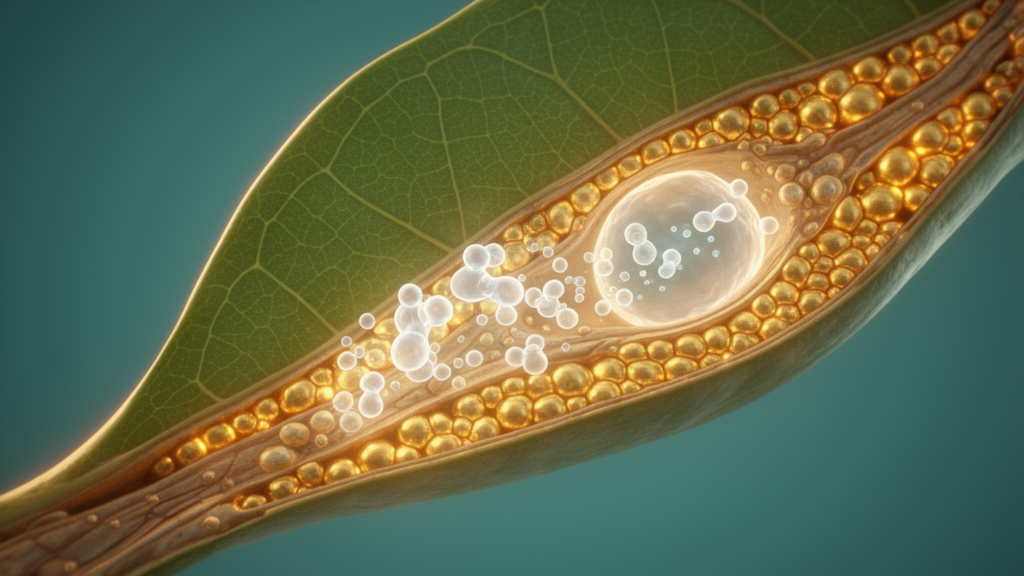
Image Credits: AI Generated
DOI: 10.1038/s41477-026-02446-x
Keywords: plant immunity, lignin, SGN3, BIK1, effector-triggered immunity, Arabidopsis thaliana, CIF peptides, BAK1, reactive oxygen species, Casparian strip, NLR receptors, receptor kinase
News Source: Kristina Jarvis. (October 29, 2026). Immune Signalling Pathway That Builds Lignin Barriers Identified in Plants. Scienmag.