• HOME
  • NEWS
  • EXPLORE
    • CAREER
      • Companies
      • Jobs
    • EVENTS
    • iGEM
      • News
      • Team
    • PHOTOS
    • VIDEO
    • WIKI
  • BLOG
  • COMMUNITY
    • FACEBOOK
    • INSTAGRAM
    • TWITTER
Sunday, November 16, 2025
BIOENGINEER.ORG
No Result
View All Result
  • Login
  • HOME
  • NEWS
  • EXPLORE
    • CAREER
      • Companies
      • Jobs
        • Lecturer
        • PhD Studentship
        • Postdoc
        • Research Assistant
    • EVENTS
    • iGEM
      • News
      • Team
    • PHOTOS
    • VIDEO
    • WIKI
  • BLOG
  • COMMUNITY
    • FACEBOOK
    • INSTAGRAM
    • TWITTER
  • HOME
  • NEWS
  • EXPLORE
    • CAREER
      • Companies
      • Jobs
        • Lecturer
        • PhD Studentship
        • Postdoc
        • Research Assistant
    • EVENTS
    • iGEM
      • News
      • Team
    • PHOTOS
    • VIDEO
    • WIKI
  • BLOG
  • COMMUNITY
    • FACEBOOK
    • INSTAGRAM
    • TWITTER
No Result
View All Result
Bioengineer.org
No Result
View All Result
Home NEWS Science News Biology

Human environmental genome recovered in the absence of skeletal remains

Bioengineer by Bioengineer
July 12, 2021
in Biology
Reading Time: 2 mins read
0
IMAGE
Share on FacebookShare on TwitterShare on LinkedinShare on RedditShare on Telegram

IMAGE

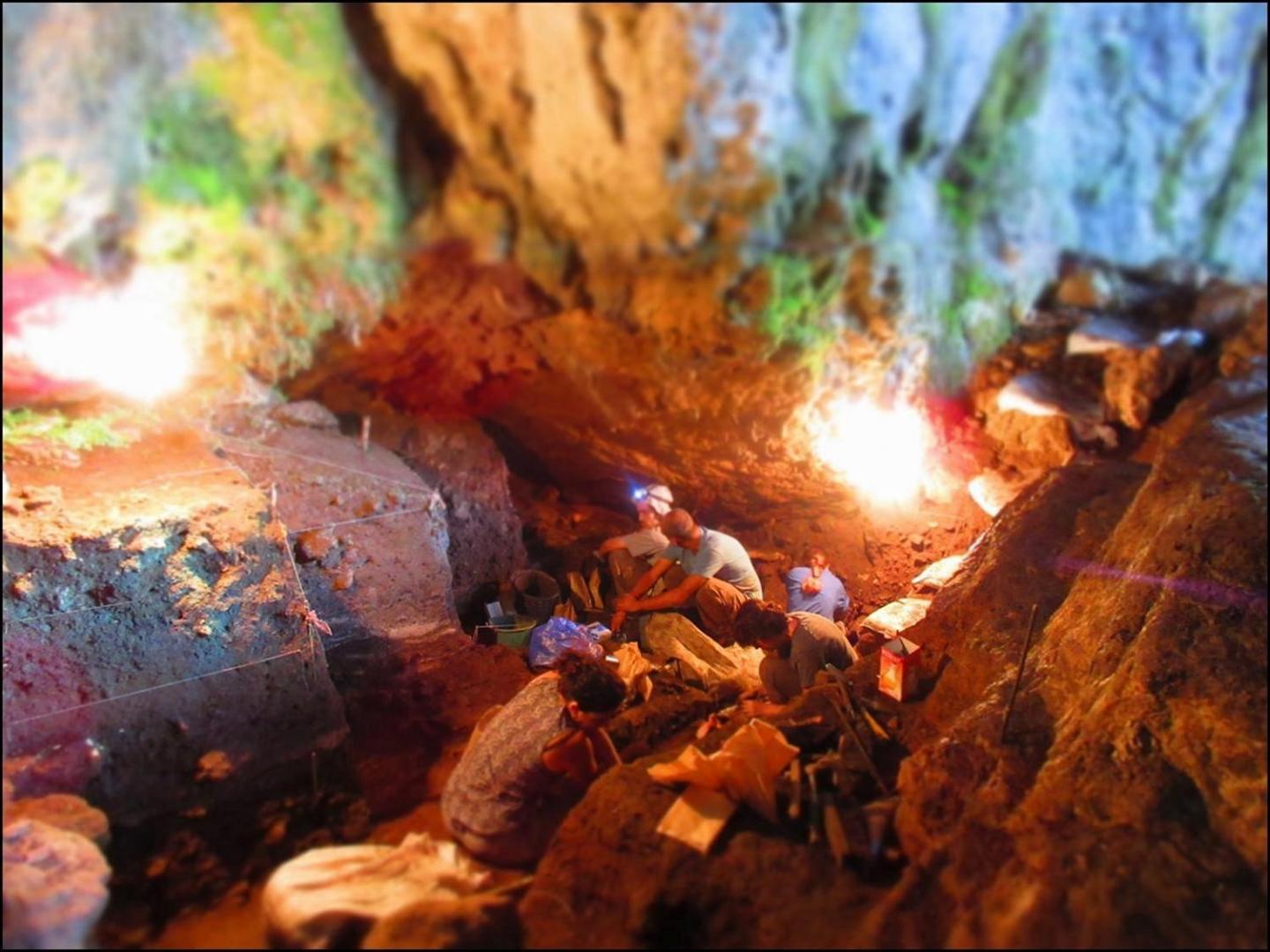
Credit: © Anna Belfer-Cohen

The cave of Satsurblia was inhabited by humans in different periods of the Paleolithic: Up to date a single human individual dated from 15,000 years ago has been sequenced from that site. No other human remains have been discovered in the older layers of the cave.

The innovative approach used by the international team led by Prof. Ron Pinhasi and Pere Gelabert with Susanna Sawyer of the University of Vienna in collaboration with Pontus Skoglund and Anders Bergström of the Francis Crick Institute in London permits the identification of DNA in samples of environmental material, by applying extensive sequencing and huge data analysis resources. This technique has allowed the recovery of an environmental human genome from the BIII layer of the cave, which is dated before the Ice Age, about 25,000 years ago.

This new approach has evidenced the feasibility of recovering human environmental genomes in the absence of skeletal remains. The analysis of the genetic material has revealed that the SAT29 human environmental genome represents a human extinct lineage that contributed to the present day West-Eurasian populations. To validate the results, the researchers compared the recovered genome with the genetic sequences obtained from bone remains of the nearby cave of Dzudzuana, obtaining definitive evidence of genetic similarities. This fact validate the results and excludes the possibility of modern contamination of the samples.

Along with the identified human genome, other genomes such as wolf and bison have also been recovered from the environmental samples. The sequences have been used to reconstruct the wolf and bison Caucasian population history and will help better understand the population dynamics of these species.

The team now plans to perform further analyses of soil samples from the cave of Satsurbia with the objective of revealing interactions between extinct fauna and humans and the effect of climatic changes on mammalian populations. The ability to recover DNA from soil samples allows us the reconstruction of the evolution of whole past ecosystems .

###

Publication in Current Biology: Gelabert et al. 2021. Genome-scale sequencing and analysis of human, wolf and bison DNA from 25,000 year-old sediment. Current Biology. DOI: 10.1016/j.cub.2021.06.023

Media Contact
Ron Pinhasi
[email protected]

Original Source

https://medienportal.univie.ac.at/presse/aktuelle-pressemeldungen/detailansicht/artikel/human-environmental-genome-recovered-in-the-absence-of-skeletal-remains/

Related Journal Article

http://dx.doi.org/10.1016/j.cub.2021.06.023

Tags: ArchaeologyBiologyEarth ScienceEvolutionGenetics
Share13Tweet8Share2ShareShareShare2

Related Posts

Genetic Insights into Sheep Fur Variations Uncovered

Genetic Insights into Sheep Fur Variations Uncovered

November 16, 2025
Meat Processing Alters Brain Connectivity During Visual Evaluation

Meat Processing Alters Brain Connectivity During Visual Evaluation

November 16, 2025

Temperature Effects on Canned Whelk Quality

November 16, 2025

Distinct Body Sizes: Analyzing Pig Skeletal Muscle Transcriptomes

November 16, 2025
Please login to join discussion

POPULAR NEWS

  • ESMO 2025: mRNA COVID Vaccines Enhance Efficacy of Cancer Immunotherapy

    210 shares
    Share 84 Tweet 53
  • New Research Unveils the Pathway for CEOs to Achieve Social Media Stardom

    201 shares
    Share 80 Tweet 50
  • Stinkbug Leg Organ Hosts Symbiotic Fungi That Protect Eggs from Parasitic Wasps

    318 shares
    Share 127 Tweet 80
  • Neurological Impacts of COVID and MIS-C in Children

    88 shares
    Share 35 Tweet 22

About

We bring you the latest biotechnology news from best research centers and universities around the world. Check our website.

Follow us

Recent News

Genetic Insights into Sheep Fur Variations Uncovered

Semaglutide Proven Effective for Weight Loss in Veterans

Meat Processing Alters Brain Connectivity During Visual Evaluation

Subscribe to Blog via Email

Enter your email address to subscribe to this blog and receive notifications of new posts by email.

Join 69 other subscribers
  • Contact Us

Bioengineer.org © Copyright 2023 All Rights Reserved.

Welcome Back!

Login to your account below

Forgotten Password?

Retrieve your password

Please enter your username or email address to reset your password.

Log In
No Result
View All Result
  • Homepages
    • Home Page 1
    • Home Page 2
  • News
  • National
  • Business
  • Health
  • Lifestyle
  • Science

Bioengineer.org © Copyright 2023 All Rights Reserved.