• HOME
  • NEWS
  • EXPLORE
    • CAREER
      • Companies
      • Jobs
    • EVENTS
    • iGEM
      • News
      • Team
    • PHOTOS
    • VIDEO
    • WIKI
  • BLOG
  • COMMUNITY
    • FACEBOOK
    • INSTAGRAM
    • TWITTER
Friday, August 21, 2026
BIOENGINEER.ORG
No Result
View All Result
  • Login
  • HOME
  • NEWS
  • EXPLORE
    • CAREER
      • Companies
      • Jobs
        • Lecturer
        • PhD Studentship
        • Postdoc
        • Research Assistant
    • EVENTS
    • iGEM
      • News
      • Team
    • PHOTOS
    • VIDEO
    • WIKI
  • BLOG
  • COMMUNITY
    • FACEBOOK
    • INSTAGRAM
    • TWITTER
  • HOME
  • NEWS
  • EXPLORE
    • CAREER
      • Companies
      • Jobs
        • Lecturer
        • PhD Studentship
        • Postdoc
        • Research Assistant
    • EVENTS
    • iGEM
      • News
      • Team
    • PHOTOS
    • VIDEO
    • WIKI
  • BLOG
  • COMMUNITY
    • FACEBOOK
    • INSTAGRAM
    • TWITTER
No Result
View All Result
Bioengineer.org
No Result
View All Result
Home NEWS Science News Health

How sand fly mating habits are helping tackle tropical disease in £2.5 million project

Bioengineer by Bioengineer
December 5, 2019
in Health
Reading Time: 2 mins read
0
IMAGE
Share on FacebookShare on TwitterShare on LinkedinShare on RedditShare on Telegram

IMAGE

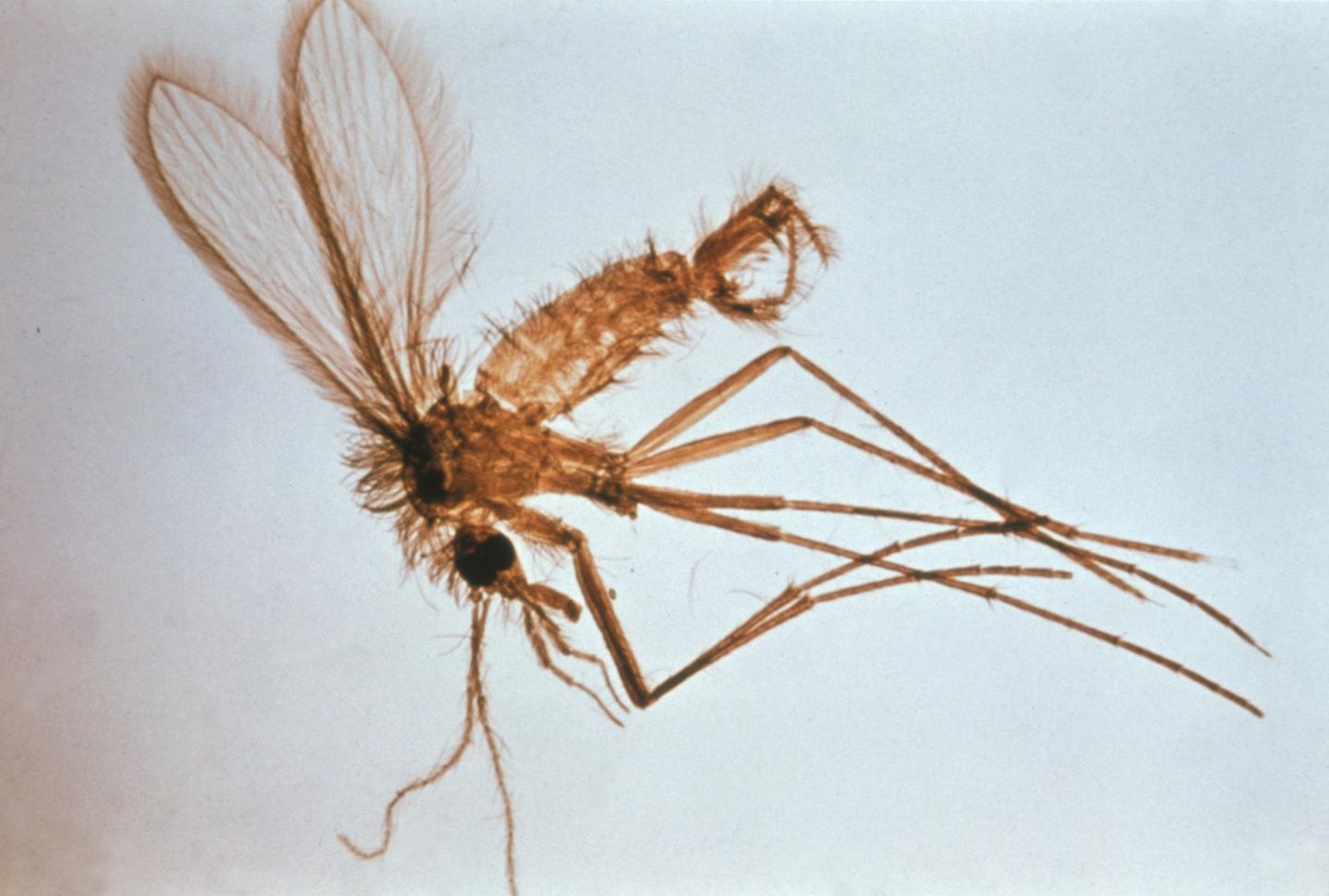
Credit: World Health Organisation


The tropical disease Leishmaniasis is being tackled by catching female sand flies who carry the parasite that causes the disease.

Scientists led by Dr Orin Courtenay of Warwick University and Professor Gordon Hamilton of Lancaster University, developed the concept as part of a £2.5M project funded by The Wellcome Trust and published in PLOS Neglected Tropical Diseases.

There are now plans to commercialise the research which involves using a synthetic copy of a male pheromone to attract female sand flies towards insecticide-treated areas.

Globally over 350 million people are at risk of infection from Leishmaniasis, with up to 300,000 new cases annually, and approximately 4,500 deaths each year in Brazil alone. Children under the age of 15 are disproportionately affected.

In Latin America, Europe, North Africa and parts of central and East Asia, the Leishmania parasite is transmitted from infected dogs by sand flies when they bite people. Visceral Leishmaniasis, affects the internal organs and is fatal if untreated as there is no human vaccine for the disease.

In Brazil, dogs are euthanized if they are found to be infected, but this has little effect on the number of human cases. Insecticide-impregnated dog collars can be used to protect dogs but these are too expensive for many people and like dog culling, protective coverage is patchy.

Professor Hamilton said: “We wanted to develop a less costly method to trap large amounts of sand flies to reduce the number of infected dogs which in turn act as a source of infection for people.”

The researchers introduced a sachet of the male sand fly pheromone to attract female flies to chicken sheds already sprayed with insecticide.

“This killed a large number of the sand flies”.

The beneficial effects of this “lure-and-kill” method reduced female sand flies by 49% compared with 43% for the insecticide-only collar.

Dr Orin Courtenay from the School of Life Sciences and Zeeman Institute at the University of Warwick comments: “The beneficial effects of the lure-and-kill method were most noticeable by reducing confirmed infection incidence and clinical parasite loads in dogs by about 50%, in addition to reducing sand fly abundance.

“Our approach will be a lot less expensive and gives just as good a result as the insecticide collar.”

The next stage is to work with industry to synthesize the pheromone in bulk ready for use in affected areas.

###

Media Contact
Gillian Whitworth
[email protected]
44-152-459-2612

Related Journal Article

http://dx.doi.org/10.1371/journal.pntd.0007767

Tags: BiologyDisease in the Developing WorldEcology/EnvironmentEntomologyEnvironmental HealthInfectious/Emerging DiseasesMedicine/HealthParasitologyPublic Health
Share12Tweet8Share2ShareShareShare2

Related Posts

Insilico’s Alex Aliper to Attend Two Hong Kong Summits on AI Healthcare

August 21, 2026

Nationwide Study Examines Comorbidity Burden Predicting Three-Year Neurodevelopment in Extremely Preterm Infants

August 21, 2026

AI model predicts which patients benefit most from exercise-based cardiac rehabilitation

August 21, 2026

Bioengineered Acellular Regenerative Conduit Maintains Coronary Bypass Patency for 18 Months

August 21, 2026
Please login to join discussion

POPULAR NEWS

  • Insilico’s Alex Aliper to Attend Two Hong Kong Summits on AI Healthcare

    29 shares
    Share 12 Tweet 7
  • Scientists trace the origins and domestication of modern cultivated chrysanthemums

    29 shares
    Share 12 Tweet 7
  • Nationwide Study Examines Comorbidity Burden Predicting Three-Year Neurodevelopment in Extremely Preterm Infants

    29 shares
    Share 12 Tweet 7
  • Systematic review finds DICER1 mutations in children and adolescents with thyroid cancer

    29 shares
    Share 12 Tweet 7

About

We bring you the latest biotechnology news from best research centers and universities around the world. Check our website.

Follow us

Recent News

Insilico’s Alex Aliper to Attend Two Hong Kong Summits on AI Healthcare

Scientists trace the origins and domestication of modern cultivated chrysanthemums

Nationwide Study Examines Comorbidity Burden Predicting Three-Year Neurodevelopment in Extremely Preterm Infants

Subscribe to Blog via Email

Enter your email address to subscribe to this blog and receive notifications of new posts by email.

Join 85 other subscribers
  • Contact Us

Bioengineer.org © Copyright 2023 All Rights Reserved.

Welcome Back!

Login to your account below

Forgotten Password?

Retrieve your password

Please enter your username or email address to reset your password.

Log In
No Result
View All Result
  • Homepages
    • Home Page 1
    • Home Page 2
  • News
  • National
  • Business
  • Health
  • Lifestyle
  • Science

Bioengineer.org © Copyright 2023 All Rights Reserved.