• HOME
  • NEWS
  • EXPLORE
    • CAREER
      • Companies
      • Jobs
    • EVENTS
    • iGEM
      • News
      • Team
    • PHOTOS
    • VIDEO
    • WIKI
  • BLOG
  • COMMUNITY
    • FACEBOOK
    • INSTAGRAM
    • TWITTER
Monday, October 5, 2026
BIOENGINEER.ORG
No Result
View All Result
  • Login
  • HOME
  • NEWS
  • EXPLORE
    • CAREER
      • Companies
      • Jobs
        • Lecturer
        • PhD Studentship
        • Postdoc
        • Research Assistant
    • EVENTS
    • iGEM
      • News
      • Team
    • PHOTOS
    • VIDEO
    • WIKI
  • BLOG
  • COMMUNITY
    • FACEBOOK
    • INSTAGRAM
    • TWITTER
  • HOME
  • NEWS
  • EXPLORE
    • CAREER
      • Companies
      • Jobs
        • Lecturer
        • PhD Studentship
        • Postdoc
        • Research Assistant
    • EVENTS
    • iGEM
      • News
      • Team
    • PHOTOS
    • VIDEO
    • WIKI
  • BLOG
  • COMMUNITY
    • FACEBOOK
    • INSTAGRAM
    • TWITTER
No Result
View All Result
Bioengineer.org
No Result
View All Result
Home NEWS Science News Health

How nasty Toxoplasma parasite damages the human eye

Bioengineer by Bioengineer
September 30, 2019
in Health
Reading Time: 2 mins read
0
IMAGE
Share on FacebookShare on TwitterShare on LinkedinShare on RedditShare on Telegram

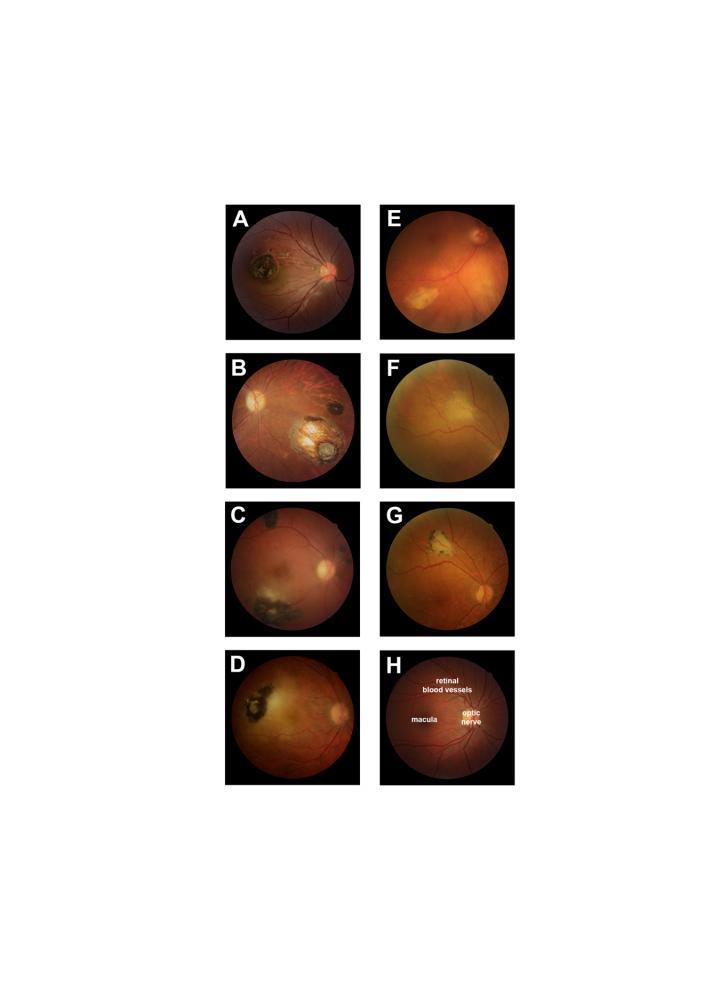
An international study used human retinal cells to demonstrate how the Toxoplasma parasite creates a characteristic eye lesion
IMAGE

Credit: Flinders University, Professor Justine Smith. University of Sao Paulo, Dr Joao M. Furtado

One third of the world population is infected with the parasite -Toxoplasma- which causes a common eye infection called ocular toxoplasmosis. Researchers have shed new light on how an infection with the parasite causes a distinctive lesion in the retina.

An international research team, from Flinders University in South Australia and University of São Paulo in Brazil, have identified proteins produced from infected retinal cells that push neighbouring uninfected retinal cells to overgrow and create a distinctive lesion that doctors can use to diagnose the infection.

This breakthrough study -published today in Microorganisms– is the first to use laboratory methods to understand how Toxoplasma infection leads to a characteristic eye lesion, after researchers monitored the process at a Brazilian eye clinic serving a region of 1.7 million people.

Flinders Strategic Professor in Eye & Vision Health and Superstar of STEM -Justine Smith- says the research demonstrates how retinal cells respond to an infection with Toxoplasma, and shows that the cell response may help parasites spread through the retina.

“In one of the largest groups of people with ocular toxoplasmosis studied to date, we see that infection causes a typical lesion in over 90% of infected eyes,” says Professor Smith.

“Our findings show that T. gondii-infected human retinal pigment cells secrete VEGF and IGF1, and reduce production of TSP1, which promotes the proliferation of uninfected cells and renders those cells more susceptible to infection as a result.”

Co-Investigator from University of São Paulo and the International Agency for Prevention of Blindness-Dr Joao Furtado-speculates that manipulating proteins within the eye might have therapeutic applications to limit the severity of the disease.

“There is no cure for toxoplasmosis, which is most often foodborne. The World Health Organisation recommends food safety measures that include hand-washing, use of clean water in food preparation, and proper cooking,” advises Dr. Furtado

###

Media Contact
Justine Smith
[email protected]

Related Journal Article

http://dx.doi.org/10.3390/microorganisms7100405

Tags: Infectious/Emerging DiseasesMedicine/HealthOphthalmologyPublic Health
Share12Tweet8Share2ShareShareShare2

Related Posts

Walking Still Helps COPD Patients Even in Polluted Air, Study Finds

Walking Still Helps COPD Patients Even in Polluted Air, Study Finds

October 5, 2026
AI Chatbots Answer Thousands of Rheumatology Patient Questions in Landmark Real-World Test

AI Chatbots Answer Thousands of Rheumatology Patient Questions in Landmark Real-World Test

October 5, 2026

AI Reads Ultrasound Signals to Predict Which Carotid Plaques May Trigger Stroke

October 5, 2026

Obesity Awareness Tracks Family and Work Life, Not Body Measurements

October 5, 2026
Please login to join discussion

POPULAR NEWS

  • Alloys That Shrink Their Own Grains: New PIX Mechanism Refines Metals With Heat Alone

    Alloys That Shrink Their Own Grains: New PIX Mechanism Refines Metals With Heat Alone

    29 shares
    Share 12 Tweet 7
  • Endurance Exercise Reshapes the Liver in Males and Females Through Distinct Molecular Routes

    29 shares
    Share 12 Tweet 7
  • Single Transcription Factor PU.1 Rapidly Converts Fibroblasts into Macrophage-Lineage Cells

    29 shares
    Share 12 Tweet 7
  • New Scale Measures How Ready Nurse Educators Really Are for the AI Era

    29 shares
    Share 12 Tweet 7

About

We bring you the latest biotechnology news from best research centers and universities around the world. Check our website.

Follow us

Recent News

Alloys That Shrink Their Own Grains: New PIX Mechanism Refines Metals With Heat Alone

Endurance Exercise Reshapes the Liver in Males and Females Through Distinct Molecular Routes

Single Transcription Factor PU.1 Rapidly Converts Fibroblasts into Macrophage-Lineage Cells

Subscribe to Blog via Email

Success! An email was just sent to confirm your subscription. Please find the email now and click 'Confirm' to start subscribing.

Join 85 other subscribers
  • Contact Us

Bioengineer.org © Copyright 2023 All Rights Reserved.

Welcome Back!

Login to your account below

Forgotten Password?

Retrieve your password

Please enter your username or email address to reset your password.

Log In
No Result
View All Result
  • Homepages
    • Home Page 1
    • Home Page 2
  • News
  • National
  • Business
  • Health
  • Lifestyle
  • Science

Bioengineer.org © Copyright 2023 All Rights Reserved.