• HOME
  • NEWS
  • EXPLORE
    • CAREER
      • Companies
      • Jobs
    • EVENTS
    • iGEM
      • News
      • Team
    • PHOTOS
    • VIDEO
    • WIKI
  • BLOG
  • COMMUNITY
    • FACEBOOK
    • INSTAGRAM
    • TWITTER
Friday, May 15, 2026
BIOENGINEER.ORG
No Result
View All Result
  • Login
  • HOME
  • NEWS
  • EXPLORE
    • CAREER
      • Companies
      • Jobs
        • Lecturer
        • PhD Studentship
        • Postdoc
        • Research Assistant
    • EVENTS
    • iGEM
      • News
      • Team
    • PHOTOS
    • VIDEO
    • WIKI
  • BLOG
  • COMMUNITY
    • FACEBOOK
    • INSTAGRAM
    • TWITTER
  • HOME
  • NEWS
  • EXPLORE
    • CAREER
      • Companies
      • Jobs
        • Lecturer
        • PhD Studentship
        • Postdoc
        • Research Assistant
    • EVENTS
    • iGEM
      • News
      • Team
    • PHOTOS
    • VIDEO
    • WIKI
  • BLOG
  • COMMUNITY
    • FACEBOOK
    • INSTAGRAM
    • TWITTER
No Result
View All Result
Bioengineer.org
No Result
View All Result
Home NEWS Science News Biology

Halt post-disturbance logging in forests

Bioengineer by Bioengineer
September 23, 2020
in Biology
Reading Time: 2 mins read
0
IMAGE
Share on FacebookShare on TwitterShare on LinkedinShare on RedditShare on Telegram

IMAGE

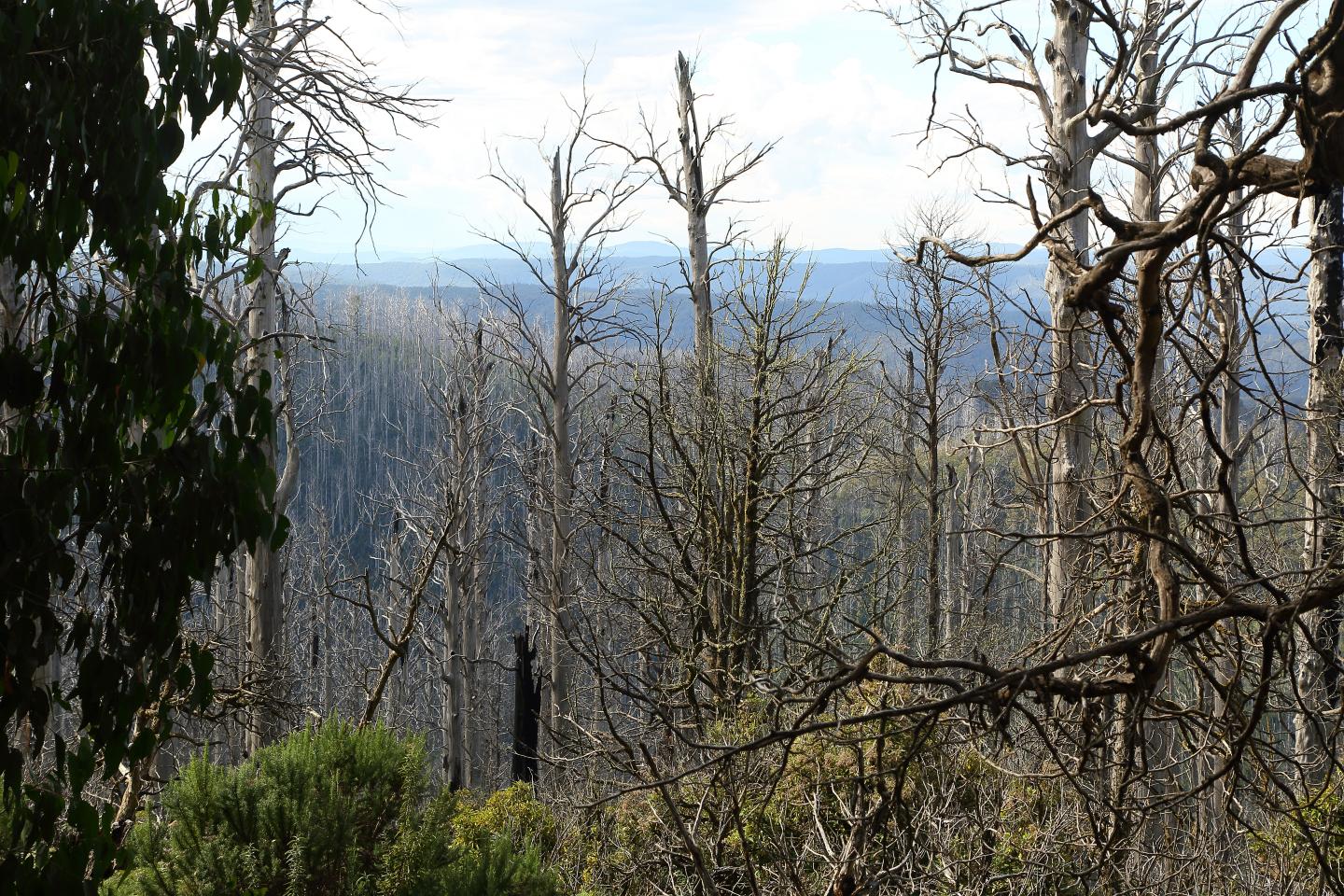
Credit: (Photo: Simon Thorn / University of Wuerzburg)

Storms, fires, bark beetles: Many forests around the world are increasingly affected by these and other natural disturbances. It is common practice to eliminate the consequences of these disturbances – in other words, to harvest damaged trees as quickly as possible. Spruce trees attacked by bark beetles are removed from the forest, as are dryed beeches or trees thrown to the ground by storms.

“However, this practice is an additional disturbance that has a negative impact on biodiversity,” says Dr. Simon Thorn, forest ecologist from Julius-Maximilians-Universität (JMU) Würzburg in Bavaria, Germany. During such logging operations, soil is damaged, most dead wood is removed and structures such as folded up root plates are lost. “That is why a certain proportion of such disturbed forests should be excluded from overall logging operations,” Thorn says.

Evidence-based benchmarks calculated for the first time

Forests in which natural disturbances are preserved without human intervention are among the most threatened habitats in the world. “Up to now, there have been no evidence-based benchmarks on what proportion of land in a naturally disturbed forest should be left in order to promote the biodiversity of plants, birds, insects and fungal species ” says the JMU scientist.

To close this gap, an international research team led by Simon Thorn has analyzed data global dataset on natural forest disturbances. In the journal Nature Communications, the scientists conclude that if around 75 percent of a naturally disturbed forest area is not cleared, 90 percent of its original species richness will be preserved. If only half of a disturbed forest is left untouched, around a quarter of the species will be lost. “These numbers can serve as a simple rule of thumb for leaving natural disturbances in forests unlogged,” says Thorn.

###

Media Contact
Dr. Simon Thorn
[email protected]

Original Source

https://go.uniwue.de/thornforests

Related Journal Article

http://dx.doi.org/10.1038/s41467-020-18612-4

Tags: BiodiversityBiologyClimate ChangeEcology/EnvironmentForestry
Share12Tweet8Share2ShareShareShare2

Related Posts

Supercomputer Simulations Uncover How Bacterial Enzyme Pumps Sodium Ions, Opening Doors to Novel Antibiotics — Biology

Supercomputer Simulations Uncover How Bacterial Enzyme Pumps Sodium Ions, Opening Doors to Novel Antibiotics

May 15, 2026
New Astrobiology Special Collection Highlights Emerging Evidence Supporting Land-Based Origins of Life — Biology

New Astrobiology Special Collection Highlights Emerging Evidence Supporting Land-Based Origins of Life

May 14, 2026

Revolutionizing Textiles: Engineered Protein Fibers Pave the Way for Sustainable, Recyclable Fabrics

May 14, 2026

URI Master’s Student Emilio Pedroza Lopez Awarded Prestigious NSF Graduate Research Fellowship

May 14, 2026
Please login to join discussion

POPULAR NEWS

  • Research Indicates Potential Connection Between Prenatal Medication Exposure and Elevated Autism Risk

    843 shares
    Share 337 Tweet 211
  • New Study Reveals Plants Can Detect the Sound of Rain

    729 shares
    Share 291 Tweet 182
  • Salmonella Haem Blocks Macrophages, Boosts Infection

    62 shares
    Share 25 Tweet 16
  • Breastmilk Balances E. coli and Beneficial Bacteria in Infant Gut Microbiomes

    58 shares
    Share 23 Tweet 15

About

We bring you the latest biotechnology news from best research centers and universities around the world. Check our website.

Follow us

Recent News

Scientists Create Ceramic Implants That Replicate Natural Bone Through 3D Printing

Paraprobiotics Mitigate BPA-Induced Damage to Male Fertility Linked to Plastic Exposure

Digital Health Fear Patterns in Older Cancer Patients

Subscribe to Blog via Email

Enter your email address to subscribe to this blog and receive notifications of new posts by email.

Join 82 other subscribers
  • Contact Us

Bioengineer.org © Copyright 2023 All Rights Reserved.

Welcome Back!

Login to your account below

Forgotten Password?

Retrieve your password

Please enter your username or email address to reset your password.

Log In
No Result
View All Result
  • Homepages
    • Home Page 1
    • Home Page 2
  • News
  • National
  • Business
  • Health
  • Lifestyle
  • Science

Bioengineer.org © Copyright 2023 All Rights Reserved.