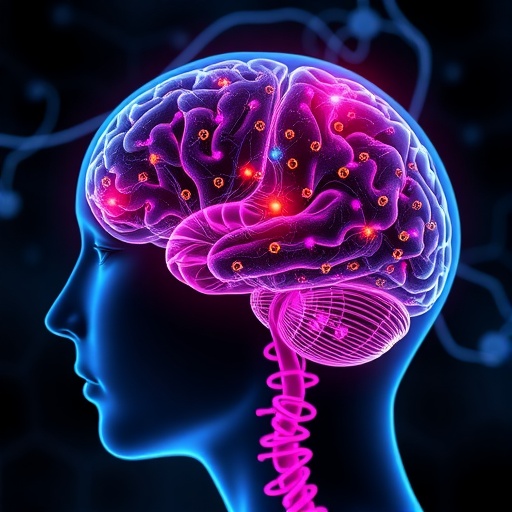
Traumatic brain injury (TBI) can look deceptively healed once bleeding stops and swelling fades. But inside the brain, a slower and more dangerous process is already unfolding. Inflammation spreads through vulnerable tissue, immune signaling becomes dysregulated, and neural networks begin to rewire in ways that can culminate in post-traumatic epilepsy (PTE).
For decades, clinical strategy has been largely reactive: wait for the first seizure, then attempt to manage seizures. That approach leaves a critical problem unaddressed—the biological transformation of injured tissue into an epileptogenic brain state, a process known as epileptogenesis.
A team at Texas A&M University, led by neuroscientist Dr. Samba Reddy, reports a different strategy: intervene during the window after injury but before epilepsy becomes established. Their study explores sodium butyrate, a naturally produced gut-derived molecule, as an early epigenetic therapy designed to halt disease progression rather than merely suppress symptoms.
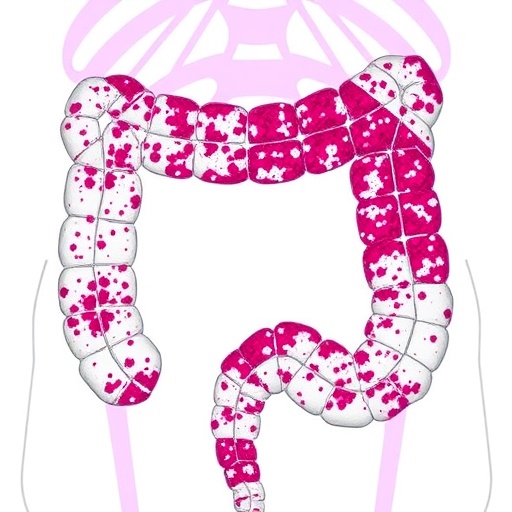
The research centers on the gut-brain axis, where microbial metabolites and immune signals can influence neurological outcomes. Sodium butyrate crosses the blood–brain barrier and targets histone deacetylases (HDACs), epigenetic enzymes that can amplify inflammatory programs after injury. By inhibiting HDAC activity, the therapy helps “turn off” harmful immune pathways upstream of seizure development.
In experimental models using controlled cortical impact to mimic severe TBI, researchers tracked inflammation and long-term functional changes. Several months after treatment, animals receiving sodium butyrate showed reduced neuroinflammation, less maladaptive circuit rewiring, improved behavioral performance, and fewer seizures with lower intensity when seizures occurred.
Beyond seizure frequency, the findings suggest structural and cellular benefits. The treatment improved survival of existing neurons and supported healthier growth of new brain cells, aligning with a disease-modifying effect on epileptogenesis.
Reddy emphasizes translational potential. Sodium butyrate is already produced naturally in the body, and related butyrate derivatives and HDAC inhibitors have been examined in other diseases, supporting a plausible path toward future clinical trials. The work also raises the possibility that the same upstream inflammatory control could benefit other neurological disorders.
For now, the study remains preclinical and sodium butyrate is not FDA-approved for therapeutic use. Still, the results sketch a viral-science headline: a gut metabolite may help prevent the long-term neurological consequences that can follow TBI—by stopping epilepsy before it takes root.
Subject of Research: Post-traumatic epileptogenesis following severe traumatic brain injury (TBI)
Article Title: Epigenetic histone deacetylase inhibition by sodium butyrate reduces neuroinflammation, improves neurological dysfunction and promotes disease modification of epileptogenesis following traumatic brain injury
News Publication Date: 28-May-2026
Web References: https://doi.org/10.1016/j.expneurol.2026.115857
References: Experimental Neurology (2026)
Image Credits: Dr. Samba Reddy/Texas A&M University Naresh K. Vashisht College of Medicine
Keywords: traumatic brain injury; post-traumatic epilepsy; epileptogenesis; sodium butyrate; HDAC inhibition; neuroinflammation; gut-brain axis; epigenetics; controlled cortical impact
Tags: blood-brain barrier crossing therapeutic agentsearly intervention in epileptogenesisepigenetic mechanisms in seizure developmentgut-brain axis in traumatic brain injurygut-derived metabolites influencing neural inflammationhistone deacetylase inhibition in neuroprotectionimmune signaling regulation after brain injurymicrobial metabolites and brain repairneural network reorganization after TBIneuroinflammation modulation in brain traumapost-traumatic epilepsy prevention strategiessodium butyrate as epigenetic therapy for seizures