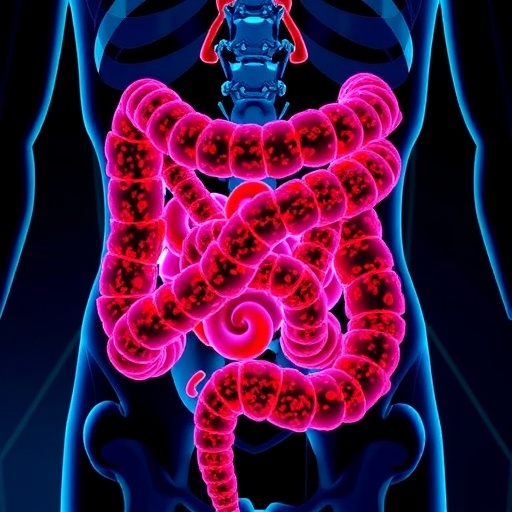
A newly identified molecular mechanism reveals how glycocholic acid, a bile acid derivative, accelerates colitis progression by targeting intestinal stem cell renewal—a discovery that could reshape therapeutic approaches for inflammatory bowel diseases.
Colitis, characterized by chronic inflammation of the colon, remains a significant clinical challenge with complex underlying molecular pathways. In groundbreaking research published in Nature Communications, Shang et al. uncover the pivotal role of glycocholic acid in disrupting intestinal homeostasis by inhibiting the TRIB3-ID1 signaling axis, thereby impeding the regenerative capacity of intestinal stem cells.
At the core of this discovery lies the TRIB3-ID1 axis, a regulatory pathway critical for maintaining the renewal and function of intestinal stem cells (ISCs). ISCs are essential for epithelial repair and regeneration following injury or inflammation. The study demonstrates that glycocholic acid exposure reduces TRIB3 expression, which subsequently downregulates ID1, a transcriptional regulator known to promote ISC proliferation.
Mechanistically, TRIB3 functions as a pseudokinase involved in diverse cellular processes, including stress response and apoptosis regulation. By suppressing TRIB3, glycocholic acid indirectly diminishes ID1-driven transcriptional programs essential for sustaining the intestinal stem cell pool. This disruption impairs epithelial renewal, thereby aggravating mucosal damage and promoting colitis progression.
Importantly, the research team employed a combination of in vitro organoid cultures and in vivo murine colitis models to delineate these molecular interactions. In organoids derived from intestinal tissues, glycocholic acid treatment markedly reduced stem cell marker expression and proliferation rates. Similarly, mice subjected to glycocholic acid administration exhibited worsened colitis symptoms alongside decreased ISC numbers, underscoring the translational relevance of these findings.
This study challenges traditional views on bile acids solely as digestive agents by highlighting their nuanced role in modulating inflammation and tissue regeneration. Glycocholic acid’s capacity to interfere with intestinal stem cell dynamics positions it as a potential endogenous mediator of colitis severity, offering a novel angle to understand disease exacerbation.
The clinical implications are profound; targeting the glycocholic acid-TRIB3-ID1 pathway could pave the way for new therapeutic strategies aimed at restoring ISC function and enhancing mucosal healing. Pharmacological modulation to preserve or enhance TRIB3 and ID1 activity might mitigate colitis progression in affected patients.
Further investigations are warranted to explore whether variations in bile acid composition contribute to individual differences in colitis susceptibility and response to treatment. Additionally, understanding the interplay between diet, microbiota, and bile acid metabolism may reveal broader implications for gastrointestinal health.
As inflammatory bowel diseases continue to affect millions worldwide, this study marks a vital step in unraveling the molecular crosstalk that underpins disease pathology, opening doors to innovative, targeted interventions with improved patient outcomes.
Subject of Research: Molecular mechanisms underlying colitis progression, focusing on intestinal stem cell renewal and bile acid signaling pathways.
Article Title: Glycocholic acid inhibits TRIB3-ID1 axis to accelerate colitis progression via suppressing intestinal stem cell renewal.
Article References:
Shang, S., Liu, J., Dai, Sy. et al. Glycocholic acid inhibits TRIB3-ID1 axis to acelerate colitis progression via suppressing intestinal stem cell renewal. Nat Commun (2026). https://doi.org/10.1038/s41467-026-74713-6
Image Credits: AI Generated
Tags: Bile acid derivatives in inflammatory bowel diseaseBile acid metabolism and inflammatory bowel diseaseDisruption of intestinal homeostasis by bile acidsGlycocholic acid and intestinal stem cell regulationGut mucosal healing and regenerationImpact of bile acids on epithelial repairMechanisms of epithelial injury and repair in colitisMolecular mechanisms of colitis progressionRole of intestinal stem cells in colitisTherapeutic targets for inflammatory bowel diseasesTRIB3-ID1 signaling pathway in gut regeneration