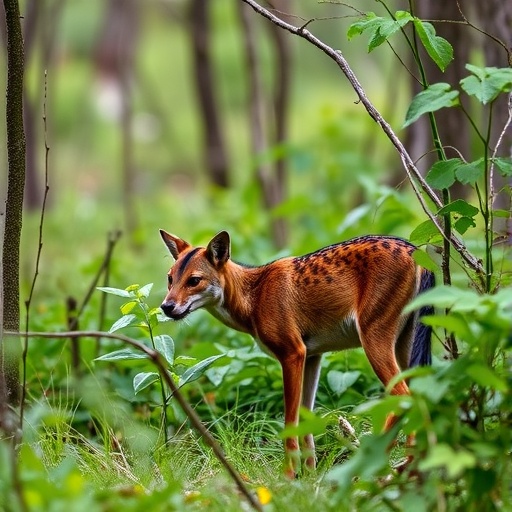
Recent research published in npj Viruses reveals compelling molecular and serological evidence of West Nile virus (WNV) and Usutu virus (USUV) infections among wild carnivore populations in the Netherlands. This study marks a significant development in understanding the ecological dynamics of these emerging flaviviruses, both of which are primarily maintained in bird-mosquito transmission cycles but have increasingly been documented to spill over into mammals.
West Nile virus and Usutu virus are members of the Flaviviridae family, closely related arboviruses transmitted predominantly by Culex mosquito species. Traditionally, birds serve as the principal reservoir hosts, with occasional spillover causing clinical infections in humans and horses. However, growing evidence suggests a broader host range, with implications for wildlife health and zoonotic risk.
The investigation employed a dual approach, combining molecular detection techniques—specifically reverse transcription polymerase chain reaction (RT-PCR)—and serological assays to assess prior exposure. Samples were collected from wild carnivores, including foxes, martens, and raccoon dogs, across various ecological settings within the country. Molecular diagnostics confirmed the presence of viral RNA, indicative of active or recent infections, while serological testing identified specific antibodies, signifying past infections.
Molecular identification of viral genomes in carnivore tissues indicates these species are not merely incidental hosts but may play a role in the epidemiology of these arboviruses. Notably, the detection of USUV RNA, which has previously attracted limited attention outside avian species, underscores a potentially expanding host range. Seroprevalence data reflect a surprising level of exposure among wild carnivores, suggesting ongoing virus circulation within terrestrial ecosystems.
This research underscores the complex interface between wildlife, vectors, and emerging pathogens. The presence of WNV and USUV in carnivores raises questions about their susceptibility and potential to act as secondary reservoirs. Furthermore, carnivores’ predatory behaviors and scavenging habits could promote virus dissemination, intersecting with human environments.
The findings bear important public health implications, as both viruses have been associated with neurological diseases in humans. Understanding their circulation in wildlife reservoirs enhances predictive models of outbreak risk. Surveillance strategies could now integrate carnivore populations alongside avian monitoring to better capture virus dynamics.
The study advocates further longitudinal and experimental research to elucidate pathogenesis and transmission potential in mammalian hosts. It also calls for integrated One Health approaches, recognizing the interconnectedness of ecosystem health, animal reservoirs, and human disease emergence.
In summary, this investigation highlights wild carnivores in the Netherlands as sentinel species reflecting WNV and USUV activity. As climate change and urbanization influence vector habitats, monitoring these viruses in broader host communities will be critical for anticipating and mitigating spillover events.
Subject of Research: Wild carnivores as potential hosts for West Nile virus and Usutu virus infections in the Netherlands
Article Title: Wild carnivores in the Netherlands show molecular and serological evidence of West Nile virus and Usutu virus infection
Article References: Atama, N.C., Holicki, C.M., Münger, E. et al. Wild carnivores in the Netherlands show molecular and serological evidence of West Nile virus and Usutu virus infection. npj Viruses (2026). https://doi.org/10.1038/s44298-026-00211-7
Image Credits: AI Generated
Tags: arbovirus transmission cycles in Netherlandsbird-to-mammal virus spilloverCulex mosquito vector transmissionecological dynamics of emerging flavivirusesemerging infectious diseases in European ecosystemsflavivirus molecular and serological detectionUsutu virus spillover in mammalsviral RNA identification in carnivoresWest Nile virus detection in wild carnivoreswildlife health and zoonotic riskwildlife surveillance for arboviruseszoonotic potential of West Nile and Usutu viruses