• HOME
  • NEWS
  • EXPLORE
    • CAREER
      • Companies
      • Jobs
    • EVENTS
    • iGEM
      • News
      • Team
    • PHOTOS
    • VIDEO
    • WIKI
  • BLOG
  • COMMUNITY
    • FACEBOOK
    • INSTAGRAM
    • TWITTER
Thursday, May 14, 2026
BIOENGINEER.ORG
No Result
View All Result
  • Login
  • HOME
  • NEWS
  • EXPLORE
    • CAREER
      • Companies
      • Jobs
        • Lecturer
        • PhD Studentship
        • Postdoc
        • Research Assistant
    • EVENTS
    • iGEM
      • News
      • Team
    • PHOTOS
    • VIDEO
    • WIKI
  • BLOG
  • COMMUNITY
    • FACEBOOK
    • INSTAGRAM
    • TWITTER
  • HOME
  • NEWS
  • EXPLORE
    • CAREER
      • Companies
      • Jobs
        • Lecturer
        • PhD Studentship
        • Postdoc
        • Research Assistant
    • EVENTS
    • iGEM
      • News
      • Team
    • PHOTOS
    • VIDEO
    • WIKI
  • BLOG
  • COMMUNITY
    • FACEBOOK
    • INSTAGRAM
    • TWITTER
No Result
View All Result
Bioengineer.org
No Result
View All Result
Home NEWS Science News Biology

Global climate change concerns for Africa’s Lake Victoria

Bioengineer by Bioengineer
November 14, 2019
in Biology
Reading Time: 3 mins read
0
IMAGE
Share on FacebookShare on TwitterShare on LinkedinShare on RedditShare on Telegram

UH researcher develops model to project lake levels in world’s largest tropical lake
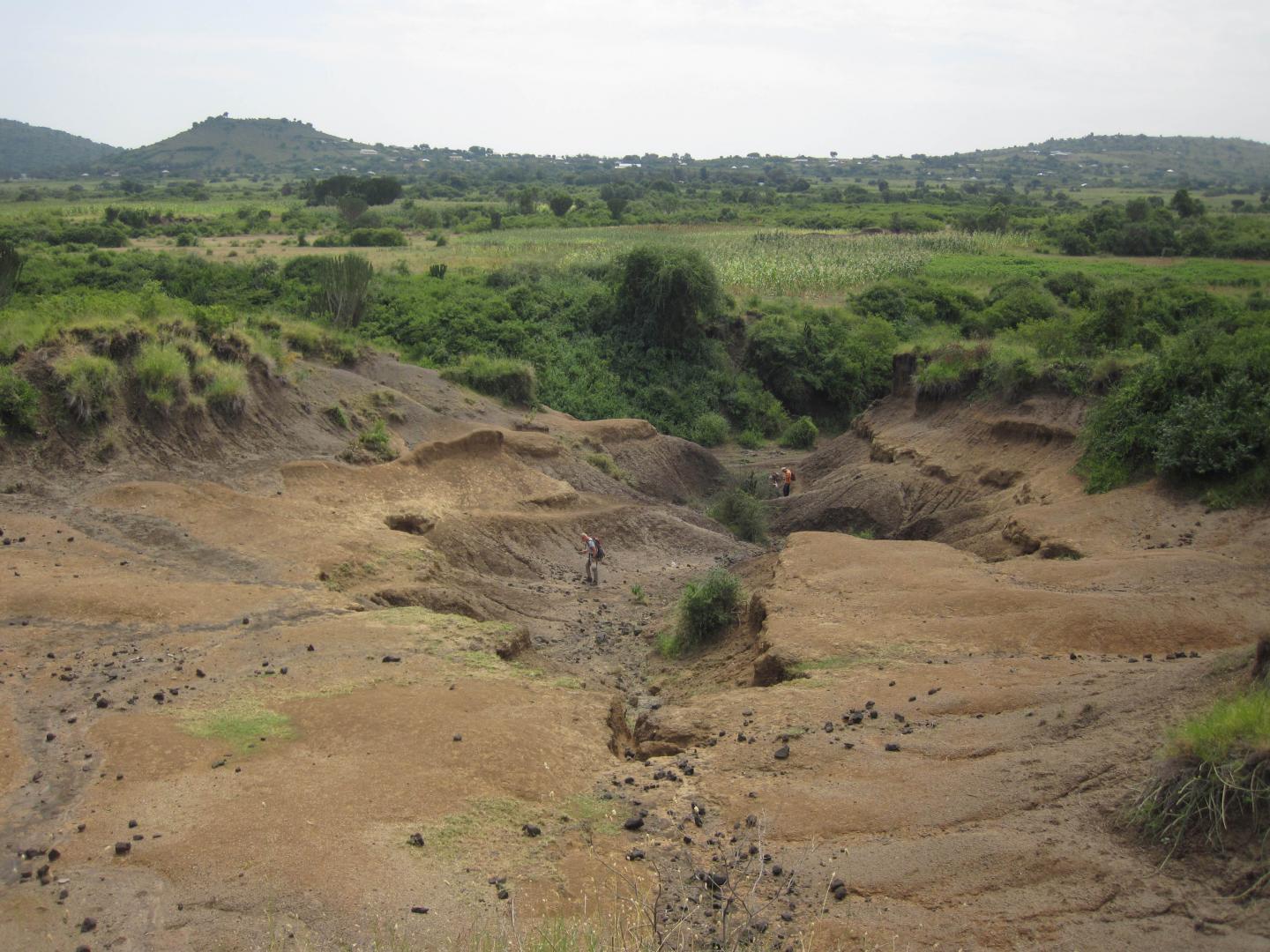
IMAGE

Credit: Emily Beverly


Global climate change could cause Africa’s Lake Victoria, the world’s largest tropical lake and source of the Nile River, to dry up in the next 500 years, according to new findings from a team of researchers led by the University of Houston. Even more imminent, the White Nile — one of the two main tributaries of the Nile — could lose its source waters in just a decade.

Using ancient sediment from outcrops along the edge of the lake, Emily Beverly, assistant professor of sedimentary geology at the UH College of Natural Sciences and Mathematics, along with researchers at Baylor University, generated a water-budget model to see how Lake Victoria’s levels respond to changes in evaporation, temperature, rainfall and solar energy. Their findings, published in Earth and Planetary Science Letters, indicate a rapid lake level decline was very possible tens of thousands of years ago and could happen again in the future.

“Our model predicts that at current rates of temperature change and previous rates of lake level fall, Lake Victoria could have no outlet to the White Nile in as little as 10 years. Every major port in Lake Victoria could be landlocked within a century, and Kenya could lose access to the lake in 400 years,” Beverly explained.

The result would significantly affect the economic resources supplied by the lake and the livelihoods of approximately 40 million people living in the Lake Victoria Basin.

  • Kenya and Tanzania depend on the lake’s freshwaters to support their fishing industries because the lake harvests more than one million tons of fish annually.

  • Uganda would be deprived of its primary source of electricity via hydropower and the water that sustains the Nile during non-flood stages.
  • The Kagera River basin, which is the main river that flows into Lake Victoria, feeds rainwater to Rwanda and Burundi which rely on agriculture and livestock production.

    Lake Victoria gets most of its water from rain, and each year, the area gets about 55 inches of rainfall. The sediment analyzed from along the lake shows rainfall levels from 35,000 to 100,000 years ago were about 28 inches, or almost half of what they are today. The water-budget model in the study shows low amounts of rainfall caused the lake to dry up at least three times in the past 100,000 years and could happen again.

    “It’s so warm there and the sun is so strong because you are at the equator that evaporation is very high,” said Beverly. “If the water balance is thrown off, the lake can dry up very quickly. It doesn’t take much of a drop in precipitation to change it.”

    This study was made possible with grants from the National Science Foundation, National Geographic Society, Leakey Foundation, Geological Society of America and Society for Sedimentary Geology totaling more than $200,000. Other collaborators include University of Connecticut, University of Utah and the University of Cambridge.

    ###

  • Media Contact
    Sara Tubbs
    [email protected]
    713-743-4248

    Original Source

    http://uh.edu/news-events/stories/2019/november-2019/11142019-lake-victoria-water-study.php

    Tags: ArchaeologyClimate ChangeEarth ScienceEcology/EnvironmentEvolutionGeology/SoilHydrology/Water ResourcesWeather/Storms
    Share14Tweet9Share3ShareShareShare2

    Related Posts

    “‘Last Titan’: Discovery of Southeast Asia’s Largest Dinosaur Unveiled” — Biology

    “‘Last Titan’: Discovery of Southeast Asia’s Largest Dinosaur Unveiled”

    May 14, 2026
    Study Offers In-Depth Analysis of Changes in Toxin-Producing Phytoplankton Populations — Biology

    Study Offers In-Depth Analysis of Changes in Toxin-Producing Phytoplankton Populations

    May 14, 2026

    UMass Chan Scientists Pioneer Gene Editing Technology That Rewrites Entire Genome Chapters

    May 13, 2026

    Scientists Observe Rice Plants Capturing and Eliminating Fall Armyworm Caterpillars

    May 13, 2026
    Please login to join discussion

    POPULAR NEWS

    • Research Indicates Potential Connection Between Prenatal Medication Exposure and Elevated Autism Risk

      842 shares
      Share 337 Tweet 211
    • New Study Reveals Plants Can Detect the Sound of Rain

      729 shares
      Share 291 Tweet 182
    • Salmonella Haem Blocks Macrophages, Boosts Infection

      62 shares
      Share 25 Tweet 16
    • Breastmilk Balances E. coli and Beneficial Bacteria in Infant Gut Microbiomes

      57 shares
      Share 23 Tweet 14

    About

    We bring you the latest biotechnology news from best research centers and universities around the world. Check our website.

    Follow us

    Recent News

    ALS Progresses Through a Domino-Like Chain Reaction Initiated in Nerve Cells

    Liquid Metal Nano-Gyroid Enables Ultra-Resilient Electronics

    Intense Precipitation Reduces Terrestrial Water Storage

    Subscribe to Blog via Email

    Enter your email address to subscribe to this blog and receive notifications of new posts by email.

    Join 82 other subscribers
    • Contact Us

    Bioengineer.org © Copyright 2023 All Rights Reserved.

    Welcome Back!

    Login to your account below

    Forgotten Password?

    Retrieve your password

    Please enter your username or email address to reset your password.

    Log In
    No Result
    View All Result
    • Homepages
      • Home Page 1
      • Home Page 2
    • News
    • National
    • Business
    • Health
    • Lifestyle
    • Science

    Bioengineer.org © Copyright 2023 All Rights Reserved.