• HOME
  • NEWS
  • EXPLORE
    • CAREER
      • Companies
      • Jobs
    • EVENTS
    • iGEM
      • News
      • Team
    • PHOTOS
    • VIDEO
    • WIKI
  • BLOG
  • COMMUNITY
    • FACEBOOK
    • INSTAGRAM
    • TWITTER
Tuesday, June 16, 2026
BIOENGINEER.ORG
No Result
View All Result
  • Login
  • HOME
  • NEWS
  • EXPLORE
    • CAREER
      • Companies
      • Jobs
        • Lecturer
        • PhD Studentship
        • Postdoc
        • Research Assistant
    • EVENTS
    • iGEM
      • News
      • Team
    • PHOTOS
    • VIDEO
    • WIKI
  • BLOG
  • COMMUNITY
    • FACEBOOK
    • INSTAGRAM
    • TWITTER
  • HOME
  • NEWS
  • EXPLORE
    • CAREER
      • Companies
      • Jobs
        • Lecturer
        • PhD Studentship
        • Postdoc
        • Research Assistant
    • EVENTS
    • iGEM
      • News
      • Team
    • PHOTOS
    • VIDEO
    • WIKI
  • BLOG
  • COMMUNITY
    • FACEBOOK
    • INSTAGRAM
    • TWITTER
No Result
View All Result
Bioengineer.org
No Result
View All Result
Home NEWS Science News Biology

Giant sand worm discovery proves truth is stranger than fiction

Bioengineer by Bioengineer
January 21, 2021
in Biology
Reading Time: 2 mins read
0
IMAGE
Share on FacebookShare on TwitterShare on LinkedinShare on RedditShare on Telegram

Trace fossil reveals more about this ancient creature’s behavior
IMAGE

Credit: Masakazu Nara

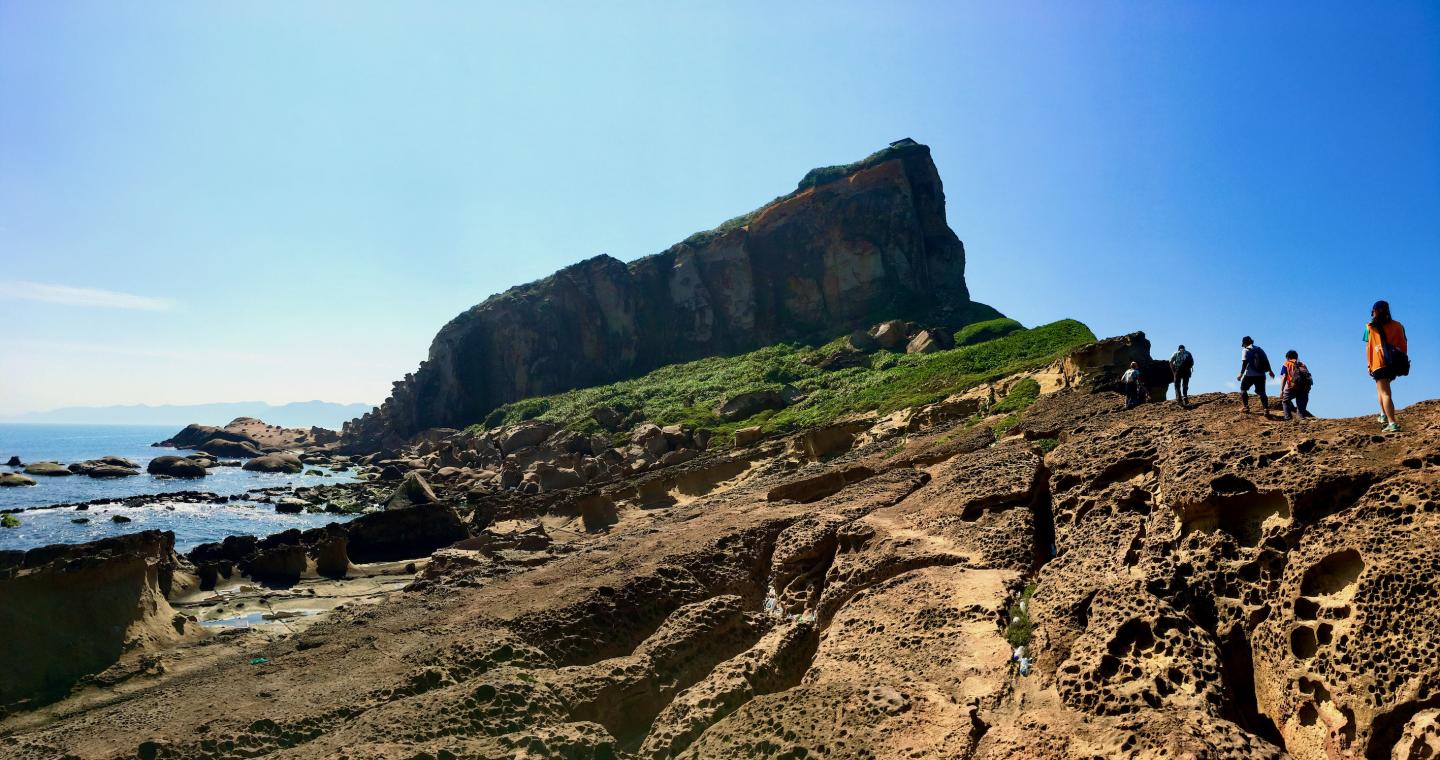
Simon Fraser University researchers have found evidence that large ambush-predatory worms–some as long as two metres–roamed the ocean floor near Taiwan over 20 million years ago. The finding, published today in the journal Scientific Reports, is the result of reconstructing an unusual trace fossil that they identified as a burrow of these ancient worms.

According to the study’s lead author, SFU Earth Sciences PhD student, Yu-Yen Pan, the trace fossil was found in a rocky area near coastal Taiwan. Trace fossils are part of a research field known as ichnology. “I was fascinated by this monster burrow at first glance,” she says. “Compared to other trace fossils which are usually only a few tens of centimetres long, this one was huge; two-metres long and two-to-three centimetres in diameter. The distinctive, feather-like structures around the upper burrow were also unique and no previously studied trace fossil has shown similar features.”

Pan and SFU Earth Sciences professor Shahin Dashtgard are part of an international team that named the homes of these ancient giant worms Pennichnus formosae. Pan initiated the work while completing her M.Sc. degree under the supervision of Professor Ludvig Löwemark, from the Department of Geosciences at National Taiwan University, Taiwan.

After investigating 319 specimens preserved in early Miocene strata (22 million – 20 million years ago) in northeast Taiwan, the morphological model of this trace fossil was constructed.

“Shahin encouraged us to reach out to marine biologists, marine photographers and aquarium keepers to compare the burrows to biological analogs, which enabled us to reach the conclusion that this trace fossil was produced by giant, ambush-predatory worms,” says Pan.

The modern-day Bobbit worm, which is also large and predatory, is sometimes called the ‘sand striker,’ sensing prey with its antennae, then grabbing them with its powerful jaws, and retreating into its burrow. When it burrows, its body occupies the whole burrow which explains the two-metre-long burrow observed in Pennichnus.

Further analysis revealed a high concentration of iron around the upper burrow, leading researchers to believe the worm secreted mucus to reinforce and rebuild its burrow wall after each feeding.

Modern Bobbit worm burrow openings are similar to that of Pennichnus, suggesting that the sediment collapsed into the burrow upon retreating or pulling still live prey below the seafloor.

Marine predatory worms have existed since the early Palaeozoic (> 400 million years ago), but their soft tissue bodies decay leaving little trace of their existence behind. Pennichnus formosae is believed to be the first known trace fossil produced by a sub-surface ambush predator, allowing researchers a rare opportunity to learn more about this ancient sand striker’s behaviour.

###

Media Contact
Melissa Shaw
[email protected]

Original Source

http://www.sfu.ca/sfunews/stories/2021/01/giant-sand-worm-discovery-proves-truth-is-stranger-than-fiction.html

Related Journal Article

http://dx.doi.org/10.1038/s41598-020-79311-0

Tags: Earth SciencePaleontology
Share12Tweet8Share2ShareShareShare2

Related Posts

UCLA Scientists Uncover Potential Method to Repair Damaged Kidneys — Biology

UCLA Scientists Uncover Potential Method to Repair Damaged Kidneys

June 16, 2026
Scientists Reveal New Discoveries About Cells Forming Brain’s Protective Barriers — Biology

Scientists Reveal New Discoveries About Cells Forming Brain’s Protective Barriers

June 16, 2026

Genome-Wide Study Reveals Insights into Faroese Ancestral Origins

June 16, 2026

“Geriatric” Butterfly Species Lives Almost Three Times Longer Than Its Relatives, Study Finds

June 16, 2026
Please login to join discussion

POPULAR NEWS

  • ESMO 2025: mRNA COVID Vaccines Enhance Efficacy of Cancer Immunotherapy

    326 shares
    Share 130 Tweet 82
  • Saying Goodbye to PGY-6: Pediatric Fellowship Realities

    101 shares
    Share 40 Tweet 25
  • Multi-Hospital Study Reveals Long Covid Burden Is Twice as High as Current Estimates

    91 shares
    Share 36 Tweet 23
  • Detection of EDCs in Breast Milk and Infant Urine Up to Six Months Highlights Early Exposure Risks

    75 shares
    Share 30 Tweet 19

About

We bring you the latest biotechnology news from best research centers and universities around the world. Check our website.

Follow us

Recent News

Medical School Researcher Secures $2.2 Million NIH Grant to Investigate Causes and Treatments of Retinal Diseases

UCLA Scientists Uncover Potential Method to Repair Damaged Kidneys

RNA Barcoding Uncovers Hidden Virus-Host Connections

Subscribe to Blog via Email

Enter your email address to subscribe to this blog and receive notifications of new posts by email.

Join 82 other subscribers
  • Contact Us

Bioengineer.org © Copyright 2023 All Rights Reserved.

Welcome Back!

Login to your account below

Forgotten Password?

Retrieve your password

Please enter your username or email address to reset your password.

Log In
No Result
View All Result
  • Homepages
    • Home Page 1
    • Home Page 2
  • News
  • National
  • Business
  • Health
  • Lifestyle
  • Science

Bioengineer.org © Copyright 2023 All Rights Reserved.