• HOME
  • NEWS
  • EXPLORE
    • CAREER
      • Companies
      • Jobs
    • EVENTS
    • iGEM
      • News
      • Team
    • PHOTOS
    • VIDEO
    • WIKI
  • BLOG
  • COMMUNITY
    • FACEBOOK
    • INSTAGRAM
    • TWITTER
Saturday, June 27, 2026
BIOENGINEER.ORG
No Result
View All Result
  • Login
  • HOME
  • NEWS
  • EXPLORE
    • CAREER
      • Companies
      • Jobs
        • Lecturer
        • PhD Studentship
        • Postdoc
        • Research Assistant
    • EVENTS
    • iGEM
      • News
      • Team
    • PHOTOS
    • VIDEO
    • WIKI
  • BLOG
  • COMMUNITY
    • FACEBOOK
    • INSTAGRAM
    • TWITTER
  • HOME
  • NEWS
  • EXPLORE
    • CAREER
      • Companies
      • Jobs
        • Lecturer
        • PhD Studentship
        • Postdoc
        • Research Assistant
    • EVENTS
    • iGEM
      • News
      • Team
    • PHOTOS
    • VIDEO
    • WIKI
  • BLOG
  • COMMUNITY
    • FACEBOOK
    • INSTAGRAM
    • TWITTER
No Result
View All Result
Bioengineer.org
No Result
View All Result
Home NEWS Science News Health

Genetics of nephropathia epidemica researched by Kazan Federal University

Bioengineer by Bioengineer
October 10, 2019
in Health
Reading Time: 2 mins read
0
IMAGE
Share on FacebookShare on TwitterShare on LinkedinShare on RedditShare on Telegram

A paper appeared recently in Viruses
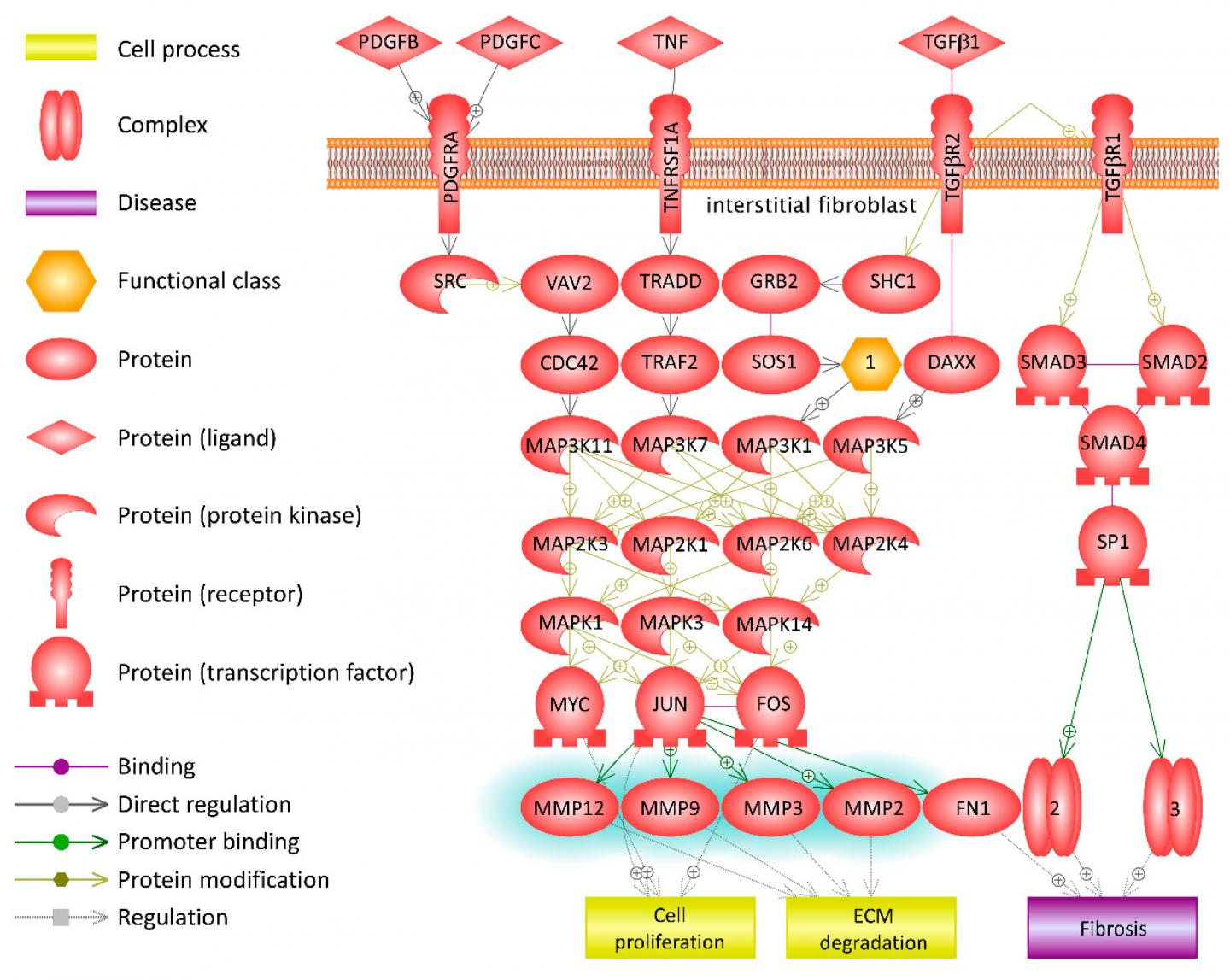
IMAGE

Credit: Kazan Federal University


This particular inquiry pertains to CCR5 – a gene which has lately been on the focuses of research worldwide. In particular, CCR5 deletion was used in China to perform the first ever genetic editing on human embryos. It’s also known that a CCR5-Δ32 mutation can make people immune to HIV.

In this publication, the Gene and Cell Technology Lab team of Kazan University analyzed the connection between CCR5 genotype and susceptibility to hemorrhagic fever with renal syndrome in Tatarstanis. The typing was performed through polymerase chain reaction; 98 afflicted and 592 healthy individuals were tested during four years.

Junior Research Associate Yekaterina Martynova explains, “Republic of Tatarstan is a region with natural hot spots of HFRS and relatively high prevalence of the disease.

“We found that patients with the CCR5 / CCR5 homozygous genotype had a longer oliguric phase and lower platelet count in the blood compared with patients with the heterozygous genotype. In the blood of such homozygotes, a higher level of metalloproteinases was also detected. In contrast, in patients who had a heterozygous genotype, that is, had a Δ32 mutation in the CCR5 gene, these clinical parameters were least pronounced. Our data indicate a greater likelihood of damage to intracellular structures and a higher level of activation of the innate immunity system in patients with a homozygous genotype compared to heterozygous patients, that is, those having a Δ32 mutation in the CCR5 gene.”

###

The paper is a joint undertaking by Kazan Federal University, University of Nevada, Kazan State Medical University, Kazan State Medical Academy, Tatarstan Republican Clinical Infection Hospital, and University of Nottingham.

Funding is provided by Project 5-100, Russia.

Media Contact
Yury Nurmeev
[email protected]

Original Source

https://kpfu.ru/eng/news-eng/nephropathia-epidemica-gene-research.html

Related Journal Article

http://dx.doi.org/10.3390/v11070675

Tags: Gene TherapyGeneticsInfectious/Emerging DiseasesMedicine/Health
Share13Tweet8Share2ShareShareShare2

Related Posts

Tracking Lanthanide-Labeled Microplastics in Plants

June 25, 2026

Neural Design Enables Zero-Shot Drug-Binding Proteins

June 25, 2026

Genomic Insights into Human Skin Fungi Diversity

June 25, 2026

Chiral Laser Gyroscopes Surpass Lock-In Limit

June 25, 2026
Please login to join discussion

POPULAR NEWS

  • Saying Goodbye to PGY-6: Pediatric Fellowship Realities

    103 shares
    Share 41 Tweet 26
  • Multi-Hospital Study Reveals Long Covid Burden Is Twice as High as Current Estimates

    92 shares
    Share 36 Tweet 23
  • Detection of EDCs in Breast Milk and Infant Urine Up to Six Months Highlights Early Exposure Risks

    77 shares
    Share 31 Tweet 19
  • New Drug Candidate Developed at McMaster Shows Potential for Treating Brain Cancer

    58 shares
    Share 23 Tweet 15

About

We bring you the latest biotechnology news from best research centers and universities around the world. Check our website.

Follow us

Recent News

Tracking Lanthanide-Labeled Microplastics in Plants

POSTECH Researchers Slash Cost of Reconstituted Cell-Free Systems by 95%

AI and Physics Collaborate to Design Advanced Hydrogen Storage Materials

Subscribe to Blog via Email

Success! An email was just sent to confirm your subscription. Please find the email now and click 'Confirm' to start subscribing.

Join 82 other subscribers
  • Contact Us

Bioengineer.org © Copyright 2023 All Rights Reserved.

Welcome Back!

Login to your account below

Forgotten Password?

Retrieve your password

Please enter your username or email address to reset your password.

Log In
No Result
View All Result
  • Homepages
    • Home Page 1
    • Home Page 2
  • News
  • National
  • Business
  • Health
  • Lifestyle
  • Science

Bioengineer.org © Copyright 2023 All Rights Reserved.