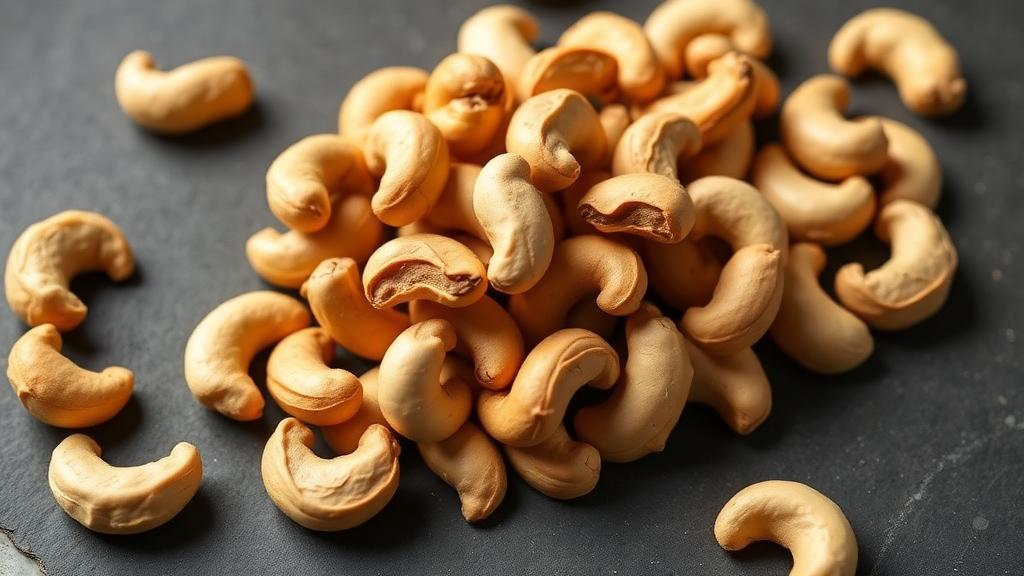
Aflatoxins, toxic compounds produced by certain fungi, are a persistent problem for cashew nut producers and exporters. A new study from Bangladesh reports that gamma irradiation, combined with careful storage, can reduce aflatoxin levels in both raw and roasted cashew nuts, offering a potential tool for improving food safety in a high-value export crop.
The research, published in Discover Food, evaluated a combined approach using gamma irradiation and different storage conditions. The team applied a three-factor factorial design that crossed two nut forms, raw and roasted, with seven irradiation doses ranging from 0 to 10 kilogray and two storage temperatures, 4 degrees Celsius and 25 degrees Celsius. The design was applied across nine market samples, generating a total of 756 observations.
Aflatoxin levels were measured with the ELISA method. Before treatment, concentrations ranged from 3.32 to 4.30 micrograms per kilogram in raw nuts and from 4.09 to 2.62 micrograms per kilogram in roasted nuts. Several samples exceeded the European Union safety limit of 4 micrograms per kilogram, underscoring why mitigation strategies matter for trade as well as health.
The authors identified 6 kilogray as the most effective dose, achieving up to an 8.68 percent reduction in aflatoxin levels while completely inhibiting fungal growth in the treated nuts.
Storage temperature also influenced outcomes. Holding the nuts at 4 degrees Celsius was more effective than storage at 25 degrees Celsius at maintaining lower toxin levels over the three-month storage period examined in the study. The combination of irradiation and cool storage therefore appears to offer complementary benefits, with irradiation delivering an immediate reduction and refrigerated storage helping to keep levels low over time.
Notably, the treatments did not come at the cost of product weight. The researchers observed no significant changes in nut weight across the experimental conditions, an important consideration for a commodity sold by weight in international markets.
The authors note that this topic has received very limited attention in the Bangladesh context, and their study offers a comparative assessment of raw and roasted cashew nuts under the combined treatments of gamma irradiation and storage effects. Because raw and roasted nuts behaved somewhat differently in the baseline measurements, evaluating both forms side by side provides a more complete picture than studies of a single product type.
The findings suggest that gamma irradiation combined with appropriate storage conditions can be an effective approach for improving the safety and quality of cashew nuts. As with any laboratory study, the results reflect the specific samples, doses, temperatures and three-month timeframe tested, and broader adoption would depend on factors such as regulatory approval, access to irradiation facilities and cost.
Subject of Research: Using gamma irradiation and storage conditions to reduce aflatoxin contamination in raw and roasted cashew nuts.
Article Title: Mitigation of aflatoxin contamination in raw and roasted cashew nuts using gamma irradiation and storage conditions
Article References: Haque, M. M., Paul, N. R., Hasna, M. K., Khalil, M. I., & Farzana, S. (2026). Mitigation of aflatoxin contamination in raw and roasted cashew nuts using gamma irradiation and storage conditions. Discover Food. https://doi.org/10.1007/s44187-026-01318-9
Image Credits: AI Generated
DOI: 10.1007/s44187-026-01318-9
Keywords: aflatoxins, cashew nuts, gamma irradiation, food safety, storage temperature, ELISA, fungal contamination, Bangladesh, food processing, mycotoxins, Mitigation, aflatoxin
News Source: Alan Morgan. (October 29, 2026). Gamma Irradiation Cuts Aflatoxins in Raw and Roasted Cashew Nuts. Scienmag.