


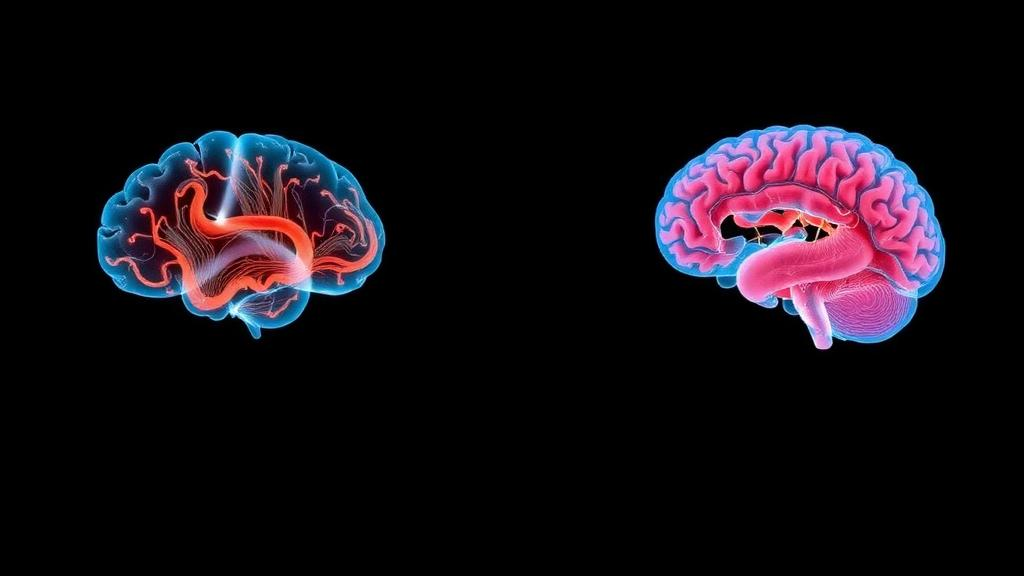
Epilepsy affects more than 50 million people worldwide, yet roughly 30 to 35 percent of patients develop drug-resistant forms of the disorder, and surgery remains an option for only a select few. A newly published open-access review argues that this therapeutic stagnation stems partly from a mismatch between research questions and experimental tools, and it lays out a systematic framework for matching specific epilepsy models to the mechanisms scientists actually want to study. Written by Ali Osman Arslan, Sevdenur Akcay, and Guven Akcay and published in Discover Neuroscience on 8 September 2026, the review spans chemical, electrical, genetic, acquired, and in vitro or ex vivo systems, insisting that no single model can capture the full heterogeneity of a disorder defined by recurrent, spontaneous seizures arising from genetic susceptibility, trauma, ischemia, infection, developmental abnormalities, and environmental factors.
The review’s conceptual backbone is epileptogenesis: the dynamic, time-dependent process through which normal neuronal networks progressively transform into a pathological state capable of generating spontaneous recurrent seizures. The authors divide this process into three stages, an initial insult phase, a latent period of progressive molecular and cellular alteration, and a chronic phase in which persistent network remodeling sustains seizure activity. At its core lies a disruption of the balance between glutamatergic excitation and GABAergic inhibition. Increased activity or expression of voltage-gated sodium and calcium channels enhances neuronal firing, while reduced potassium and chloride channel function weakens membrane repolarization and inhibitory tone. Dysregulated calcium influx activates enzymatic pathways influencing gene expression, synaptic remodeling, and neuronal survival, collectively lowering seizure thresholds.
Beyond neurons, the review emphasizes that glial cells and immune signaling actively shape epileptogenic circuits. Reactive astrocytes show impaired potassium buffering and reduced glutamate uptake, allowing excitatory neurotransmitters to accumulate extracellularly, while increased astrocytic gap junction coupling can enhance network synchronization. Activated microglia release pro-inflammatory cytokines that modulate neuronal excitability and amplify glutamatergic transmission. Disruption of the blood-brain barrier allows serum proteins such as albumin to enter brain parenchyma, where they activate astrocytic TGF-beta signaling that promotes inflammation, synaptic remodeling, and heightened excitability. Sustained hyperactivity also strains mitochondrial function, driving reactive oxygen species production, antioxidant depletion, and impaired ATP-dependent ion homeostasis. The authors frame epilepsy accordingly as a disease of brain circuits rather than individual neurons, and they draw a careful distinction between antiseizure strategies that merely suppress seizures, antiepileptogenic therapies that aim to prevent or attenuate epilepsy development after an insult, and disease-modifying interventions that seek to alter long-term outcomes such as network remodeling, neurodegeneration, and cognitive impairment.
Among chemical models, pentylenetetrazol, or PTZ, stands out as one of the most widely used chemoconvulsants. It induces seizures primarily by antagonizing the picrotoxin binding site within the GABAA receptor complex, inhibiting chloride channel opening and suppressing GABAergic inhibitory currents. In the acute paradigm, single high doses, typically 50 to 80 milligrams per kilogram in mice and 30 to 60 in rats administered intraperitoneally, rapidly produce a characteristic behavioral progression scored on Racine-like scales, from myoclonic jerks through forelimb clonus to generalized tonic-clonic seizures. The model’s technical simplicity and reproducibility make it a cornerstone for rapid anticonvulsant screening, but the authors are explicit about its ceiling: it rarely induces significant neurodegeneration or persistent structural alterations, does not reliably generate spontaneous recurrent seizures, and should be regarded primarily as a seizure induction and screening model rather than a true model of chronic epilepsy.
The chronic PTZ paradigm addresses some of these gaps through repeated subconvulsive dosing, roughly 30 to 35 milligrams per kilogram in mice and 20 to 30 in rats at daily or every-other-day intervals over 10 to 30 days. Animals progressively sensitize, eventually developing generalized tonic-clonic seizures in a process called chemical kindling, and chronic administration has been associated with neuroinflammatory activation, oxidative stress, mitochondrial dysfunction, and ferroptosis-related neuronal injury. The review highlights recent translational findings from these paradigms: selective inhibition of NADPH oxidase 2 with GSK2795039 significantly reduced seizure severity, oxidative damage, neuroinflammatory responses, and neuronal injury in PTZ-induced seizures, while activation of the Nrf2 antioxidant pathway showed neuroprotective effects in PTZ kindling. Still, the model’s limitations persist, including time-consuming protocols, dose-dependent mortality, and a predominantly generalized seizure phenotype that does not reproduce the hippocampal sclerosis characteristic of human temporal lobe epilepsy.
For that pathology, the authors point to the pilocarpine and kainic acid models. Pilocarpine, a non-selective muscarinic agonist with high affinity for M1 receptors, triggers excessive cholinergic activation in limbic circuits, massive glutamatergic excitation, and prolonged status epilepticus, typically within 30 to 90 minutes of intraperitoneal dosing at 280 to 340 milligrams per kilogram in mice or 300 to 380 in rats, often with scopolamine pretreatment and diazepam termination to limit mortality and damage. The model reproduces the multistage progression of temporal lobe epilepsy: an acute phase of sustained status epilepticus, a seizure-free latent period lasting days to weeks during which neuronal degeneration, mossy fiber sprouting, reactive gliosis, and ferroptosis occur, and a chronic phase of spontaneous recurrent seizures with cognitive impairment and anxiety-like behavior. Kainic acid, a potent agonist of kainate and AMPA receptors, instead drives excitotoxic degeneration selectively vulnerable in hippocampal CA3, closely resembling human hippocampal sclerosis, and can be delivered systemically at 5 to 15 milligrams per kilogram in rats or intracranially at roughly 0.1 to 1 micrograms for precise spatial control. Both models, however, show substantial variability across species, strains, sexes, and protocols, with mortality and seizure frequency strongly dependent on monitoring methodology.
Electrical stimulation models offer a fundamentally different route into epileptogenesis. Kindling delivers repeated, initially subconvulsive stimuli to a defined brain region, gradually producing a permanent epileptic state with reduced seizure threshold and escalating severity. Amygdala kindling exploits the amygdala’s limbic connectivity and additionally permits study of psychiatric comorbidities such as anxiety-like and depressive behaviors, while hippocampal kindling targets the trisynaptic circuit, inducing synchronized discharges, progressive GABAergic impairment, and mossy fiber sprouting. The review contrasts kindling, which reproduces activity-dependent plasticity with relatively limited neuronal loss, against status epilepticus models that induce substantial neurodegeneration, gliosis, and spontaneous seizures resembling acquired temporal lobe epilepsy. Cortical and deep brain stimulation models, targeting structures such as the thalamus or hippocampus, parallel clinical neuromodulation techniques used in drug-resistant patients and enable development of closed-loop, EEG-guided stimulation systems.
Genetic and developmental models shift the framing entirely, treating epilepsy as a primary neurodevelopmental disorder driven by causal molecular defects. Loss-of-function mutations in SCN1A, encoding the Nav1.1 sodium channel, recapitulate core features of Dravet syndrome through impaired excitability of GABAergic interneurons, while KCNQ2 and KCNQ3 mutations model benign familial neonatal epilepsy via impaired membrane repolarization. The review stresses mutation-specific mechanisms: gain- and loss-of-function variants in SCN2A and SCN8A produce distinct phenotypes depending on neuronal population and developmental stage. Models of developmental and epileptic encephalopathies involving SCN1A, CDKL5, and ARX demonstrate that epileptiform activity actively disrupts neuronal migration, synaptogenesis, myelination, and circuit maturation. These models have become platforms for precision therapies including antisense oligonucleotides, viral gene delivery, and CRISPR/Cas9 editing, though the authors caution that they reflect rare monogenic epilepsies and cannot represent the polygenic, multifactorial nature of most human epilepsy.
Acquired models simulate epileptogenesis after external insults, reflecting the most common clinical forms with delayed seizure onset and high pharmacoresistance. Controlled cortical impact and fluid percussion injury reproduce traumatic brain injury under controlled conditions, progressing through acute excitotoxicity and blood-brain barrier disruption, a latent phase of synaptic reorganization and chronic neuroinflammation, and finally spontaneous seizures. Middle cerebral artery occlusion models focal ischemia, and the Rice-Vannucci model combines carotid ligation with systemic hypoxia to study neonatal hypoxic-ischemic injury. Infectious and sterile inflammation paradigms, including systemic lipopolysaccharide administration, show that inflammatory signaling alone can initiate epileptogenic processes through mediators such as IL-1 beta and TNF-alpha. Critically, the review notes that not all insulted animals develop epilepsy, making prolonged video-EEG monitoring with unprovoked spontaneous recurrent seizures the gold standard endpoint, since insufficient monitoring duration underestimates epileptogenesis.
The final layer comprises in vitro and ex vivo systems. Organotypic hippocampal slice cultures preserve trisynaptic circuitry and glial populations for weeks, allowing longitudinal study of epileptiform activity induced by magnesium-free medium, GABAA antagonists, or elevated potassium, while acute brain slices from adult animals remain the gold standard for electrophysiological measurement. Human induced pluripotent stem cell-derived neurons and brain organoids now enable patient-specific investigation of genetic variants, though incomplete maturation, vascularization, and circuit complexity remain constraints. The authors’ closing message is a deliberate one: because every model captures only a subset of epilepsy’s mechanisms, findings from isolated preparations must be validated in whole animals, and hypothesis-driven, comparative use of complementary systems, spanning mechanistic investigation, drug discovery, and neuromodulation strategies such as tDCS, TMS, and deep brain stimulation, will be essential for closing the translational gap and developing genuinely disease-modifying therapies.
Subject of Research: Experimental epilepsy models and their use in studying epileptogenesis and translational therapy development
Article Title: Experimental epilepsy models for mechanistic investigation and translational research
Article References: Arslan, A. O., Akcay, S., & Akcay, G. (2026). Experimental epilepsy models for mechanistic investigation and translational research. Discover Neuroscience, 21(1), Article 97. https://doi.org/10.1186/s13064-026-00319-9
Image Credits: AI Generated
DOI: 10.1186/s13064-026-00319-9
Keywords: epilepsy, epileptogenesis, pentylenetetrazol, pilocarpine, kainic acid, kindling, Dravet syndrome, SCN1A, temporal lobe epilepsy, neuroinflammation, brain organoids, drug-resistant epilepsy
News Source: Cassandra Pierce. (October 29, 2026). From PTZ to Brain Organoids: How Scientists Choose the Right Epilepsy Model. Scienmag.



