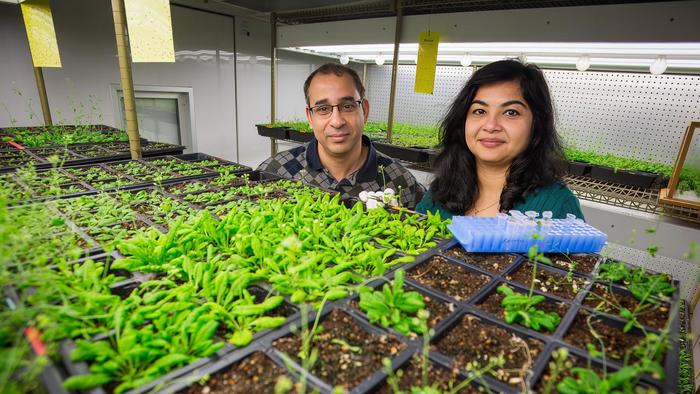
A pioneering investigation conducted by scientists at the University of Kentucky’s Martin-Gatton College of Agriculture, Food and Environment has unveiled an astonishing biochemical nexus between plant defense mechanisms and human neurological well-being. This remarkable study sheds light on the intricate metabolic pathways governing vitamin B6 homeostasis, a fundamental biochemical process critical for both immune function and specific neurological disorders such as epilepsy.
The research, which has garnered attention for its profound implications, reveals that both plants and humans share these metabolic pathways involved in regulating vitamin B6 levels. It highlights the intricate relationship between plant resilience and human health, emphasizing the necessity of plant-based diets as vital sources of essential vitamins and amino acids. The findings suggest that the processes governing plant immunity are not only essential for agricultural success but may also hold vital insights into human health and nutrition.
Published in the prestigious journal Nature Plants, the study was conducted under the auspices of leading researchers at the University of Kentucky. Supported by funding from the National Science Foundation and the National Institute of Food and Agriculture, the research focuses on lysine catabolism, an essential metabolic pathway pivotal for protein synthesis, calcium absorption, and immune responses. The breakdown of lysine produces Δ1-piperideine-6-carboxylic acid, a compound closely linked to human health, particularly concerning forms of epilepsy that depend on pyridoxine.
Intriguingly, elevated levels of Δ1-piperideine-6-carboxylic acid have been associated with disruptions in vitamin B6 balance in both plants and humans. This biochemical insight establishes a direct correlation between lysine metabolism in plants and potential implications for human neurological health, suggesting broader systemic effects on immunity and nutrition. The researchers’ findings stress the evolutionary significance of these shared pathways, emphasizing the necessity for more profound research into their potential applications in agriculture and health.
The study articulates the complex interplay between plant metabolic processes and human nutrition, presenting a compelling argument for the importance of dietary choices that prioritize plant-based sources. Furthermore, the research suggests that disruptions in amino acid metabolism can have extensive consequences, fostering a deeper understanding of how agricultural practices can influence human health outcomes. This groundbreaking exploration represents a significant leap in our comprehension of plant biology and its implications for human nutrition and health strategies.
Researchers found that plants generate Δ1-piperideine-6-carboxylic acid during lysine breakdown. In humans, the same compound’s elevated levels are associated with specific types of epilepsy, illustrating how a single metabolic pathway can simultaneously influence both plant resilience and human health. The connection underscores the conservation of fundamental biochemical processes throughout evolution.
Additionally, the research team uncovered that the enzymes responsible for lysine and proline metabolism in plants likely originated from bacterial sources through horizontal gene transfer. Over time, these enzymes evolved to protect vitamin B6 levels and detoxify reactive metabolic intermediates, revealing the evolutionary depths at which plant and human metabolic pathways intersect. This discovery opens pathways for potential advancements in biotechnology and genetic engineering aimed at enhancing plant immunity and human nutritional health.
Through this exploration, the authors advocate a genetically informed approach to cultivating crops that not only bolster agricultural productivity but also contribute positively to human health. The relationship between diet and health is underscored, advocating for a shift in perspective regarding the nutritional sources necessary for optimal neurological functioning and immunity.
As the research unfolds, the implications grow; the authors stress that a diet abundant in plant-based nutrients, including vitamin B6, could reduce the incidence of neurological disorders. This insight is particularly relevant as public health initiatives increasingly emphasize the role of nutrition in disease prevention. The study encourages a cautious approach to vitamin supplementation, instead prioritizing plant-based dietary strategies.
The research findings also suggest exciting opportunities for further inquiry. There exists a profound potential to develop novel agricultural methods and cultivation strategies that can ensure high levels of essential nutrients in crops while enhancing their immune responses against diseases. This convergence of knowledge across plant sciences and human health could lead to transformative developments in food security and nutrition.
In light of the findings, the broader scientific community is sparked to consider how these revelations can inform future research and clinical applications. The shared biochemical pathways illuminate the symbiotic relationship that plants and humans maintain, suggesting that advancements in one field can yield significant benefits in another. This interconnected discourse may soon shift the paradigm for how agricultural science is approached, reinforcing the importance of interdisciplinary studies in unraveling complex biological systems.
The research team, including noted experts in plant pathology, underscores a unified vision for enhancing both agricultural practices and public health outcomes through deeper understanding and collaboration. This cooperative movement between plant sciences and health sciences paves the way for innovative solutions addressing the nutrition crises and health disparities facing many populations today.
The revelations from this study are not just confined to academia but resonate broadly in policy discussions around food systems, dietary guidelines, and public health recommendations. As increasingly more evidence underscores the linkage between plant health and human health, it becomes imperative that such knowledge translates into actionable strategies that promote both sustainable agricultural practices and healthier populations.
As the world grapples with multifaceted challenges regarding food security and health management, the call for collaboration becomes ever more urgent. This study exemplifies how interconnectedness between biological systems can offer critical insights, not just for preventing diseases but for fostering a healthier society overall. The journey into understanding these metabolic pathways is just beginning, and the potential for transformative discoveries is infinite.
Through this groundbreaking research, scientists are not only enhancing the understanding of plant biology but also carving pathways toward a more resilient and healthier future for all.
Subject of Research: Biochemical connections between plant immune responses and human neurological health
Article Title: Piperideine-6-carboxylic acid regulates vitamin B6 homeostasis and modulates systemic immunity in plants
News Publication Date: 14-Feb-2025
Web References: https://www.nature.com/articles/s41477-025-01906-0
References: U.S. National Science Foundation, National Institute of Food and Agriculture
Image Credits: Photo by Martin-Gatton CAFE
Keywords: Plant pathology, Plant pathogens, Plant signaling, Epilepsy, Vitamins, Agricultural science, Human health, Nutritional health, Metabolic pathways.
Tags: Amino acids and human healthBiochemical connections in agriculture and healthDietary sources of essential vitaminsImmune function and metabolic processesImplications of plant resilience on human healthLysine catabolism and protein synthesisMetabolic pathways in plants and humansPlant immunity and neurological well-beingResearch on vitamin levels and human disordersRole of plant-based diets in nutritionUniversity of Kentucky plant researchVitamin B6 and epilepsy