• HOME
  • NEWS
  • EXPLORE
    • CAREER
      • Companies
      • Jobs
    • EVENTS
    • iGEM
      • News
      • Team
    • PHOTOS
    • VIDEO
    • WIKI
  • BLOG
  • COMMUNITY
    • FACEBOOK
    • INSTAGRAM
    • TWITTER
Saturday, February 7, 2026
BIOENGINEER.ORG
No Result
View All Result
  • Login
  • HOME
  • NEWS
  • EXPLORE
    • CAREER
      • Companies
      • Jobs
        • Lecturer
        • PhD Studentship
        • Postdoc
        • Research Assistant
    • EVENTS
    • iGEM
      • News
      • Team
    • PHOTOS
    • VIDEO
    • WIKI
  • BLOG
  • COMMUNITY
    • FACEBOOK
    • INSTAGRAM
    • TWITTER
  • HOME
  • NEWS
  • EXPLORE
    • CAREER
      • Companies
      • Jobs
        • Lecturer
        • PhD Studentship
        • Postdoc
        • Research Assistant
    • EVENTS
    • iGEM
      • News
      • Team
    • PHOTOS
    • VIDEO
    • WIKI
  • BLOG
  • COMMUNITY
    • FACEBOOK
    • INSTAGRAM
    • TWITTER
No Result
View All Result
Bioengineer.org
No Result
View All Result
Home NEWS Science News Biology

Fifty years later, DDT lingers in lake ecosystems

Bioengineer by Bioengineer
June 12, 2019
in Biology
Reading Time: 2 mins read
0
IMAGE
Share on FacebookShare on TwitterShare on LinkedinShare on RedditShare on Telegram

IMAGE

Credit: Joshua Kurek

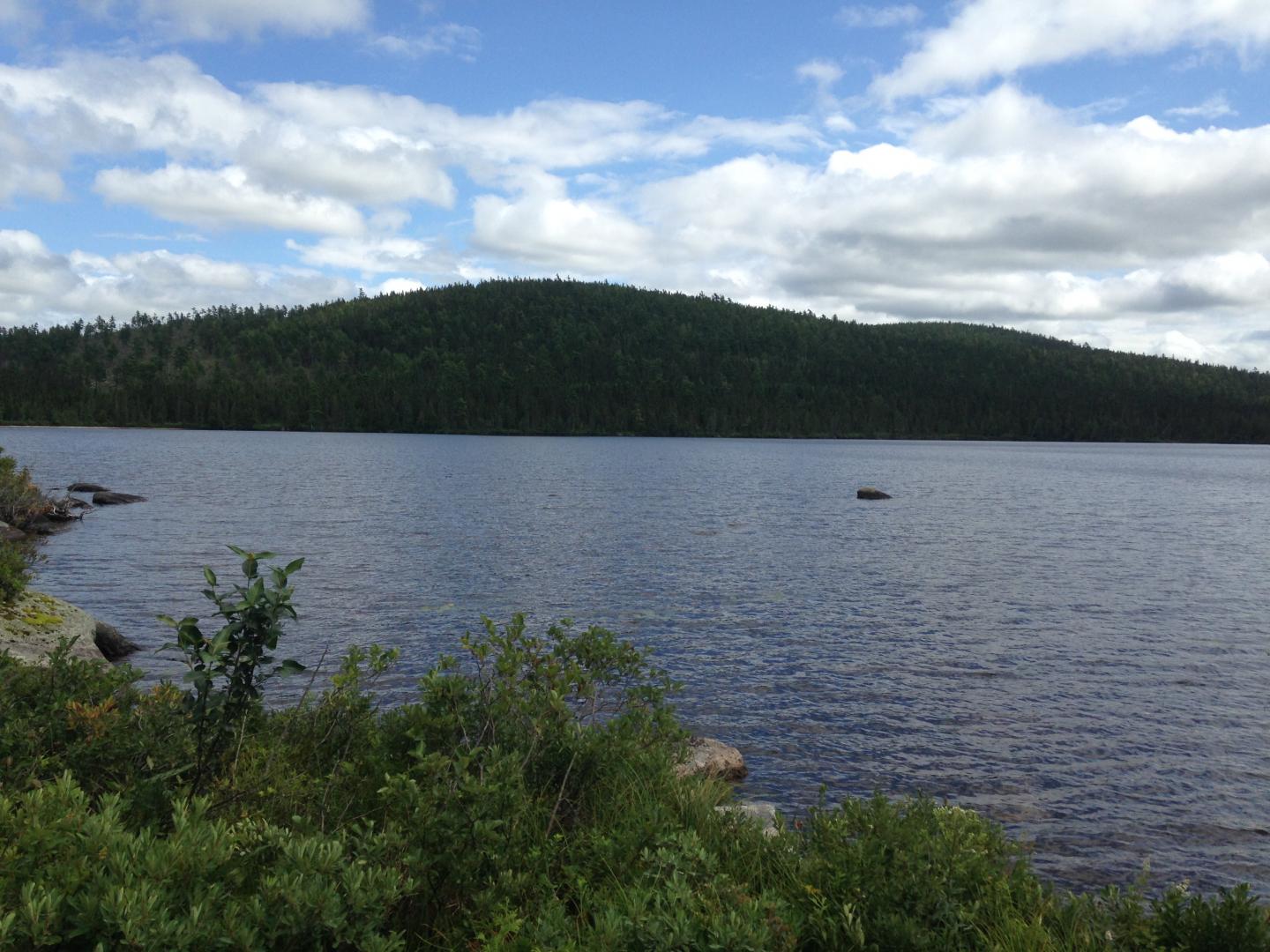
To control pest outbreaks, airplanes sprayed more than 6,280 tons of dichlorodiphenyltrichloroethane (DDT) onto forests in New Brunswick, Canada, between 1952 and 1968, according to Environment Canada. By 1970, growing awareness of the harmful effects of DDT on wildlife led to curtailed use of the insecticide in the area. However, researchers reporting in ACS’ Environmental Science & Technology have shown that DDT lingers in sediments from New Brunswick lakes, where it could alter zooplankton communities.

After being applied aerially to forests, DDT can enter lakes and rivers through atmospheric deposition and land runoff. The long-lived insecticide, now banned in most countries, and its toxic breakdown products accumulate in lake sediments and from there, could enter the food web. Previous research has shown that freshwater crustacean zooplankton such as Cladocera, otherwise known as water fleas, are sensitive to DDT. Joshua Kurek and colleagues wondered if elevated DDT use in the 1950s and 60s could have affected zooplankton populations in lakes, and whether these changes, and DDT and its breakdown products, persist today.

To find out, the researchers collected sediment core samples from five remote lakes in New Brunswick. The lake sediment cores captured environmental conditions from about the years 1890 to 2016. The team analyzed the concentrations of DDT and its breakdown products in thin sections of the sediments, finding that peak DDT levels generally occurred during the 1970s and 80s. The most recent sediments still exceeded levels considered safe for aquatic organisms. When the researchers examined the sediments for partially fossilized remains of Cladocera, they found that most lakes showed a shift from large-bodied to small-bodied zooplankton species, which are generally more tolerant to contaminants, beginning in the 1950s when DDT was widely applied in New Brunswick.

###

The authors acknowledge funding from Natural Sciences and Engineering Research Council of Canada and Mount Allison University.

The paper’s abstract will be available on June 12 at 8 a.m. Eastern time here: http://pubs.acs.org/doi/abs/10.1021/acs.est.9b01396

The American Chemical Society, the world’s largest scientific society, is a not-for-profit organization chartered by the U.S. Congress. ACS is a global leader in providing access to chemistry-related information and research through its multiple databases, peer-reviewed journals and scientific conferences. ACS does not conduct research, but publishes and publicizes peer-reviewed scientific studies. Its main offices are in Washington, D.C., and Columbus, Ohio.

To automatically receive news releases from the American Chemical Society, contact [email protected].

Follow us: Twitter | Facebook

Media Contact
Katie Cottingham
[email protected]

Tags: Agricultural Production/EconomicsAgricultureChemistry/Physics/Materials SciencesFertilizers/Pest ManagementForestryMarine/Freshwater BiologyPaleontologyPollution/RemediationToxicology
Share13Tweet8Share2ShareShareShare2

Related Posts

Florida Cane Toad: Complex Spread and Selective Evolution

Florida Cane Toad: Complex Spread and Selective Evolution

February 7, 2026
New Study Uncovers Mechanism Behind Burn Pit Particulate Matter–Induced Lung Inflammation

New Study Uncovers Mechanism Behind Burn Pit Particulate Matter–Induced Lung Inflammation

February 6, 2026

DeepBlastoid: Advancing Automated and Efficient Evaluation of Human Blastoids with Deep Learning

February 6, 2026

Navigating the Gut: The Role of Formic Acid in the Microbiome

February 6, 2026
Please login to join discussion

POPULAR NEWS

  • Robotic Ureteral Reconstruction: A Novel Approach

    Robotic Ureteral Reconstruction: A Novel Approach

    82 shares
    Share 33 Tweet 21
  • Digital Privacy: Health Data Control in Incarceration

    63 shares
    Share 25 Tweet 16
  • Study Reveals Lipid Accumulation in ME/CFS Cells

    57 shares
    Share 23 Tweet 14
  • Breakthrough in RNA Research Accelerates Medical Innovations Timeline

    53 shares
    Share 21 Tweet 13

About

We bring you the latest biotechnology news from best research centers and universities around the world. Check our website.

Follow us

Recent News

Digital Health Perspectives from Baltic Sea Experts

Florida Cane Toad: Complex Spread and Selective Evolution

Exploring Decision-Making in Dementia Caregivers’ Mobility

Subscribe to Blog via Email

Enter your email address to subscribe to this blog and receive notifications of new posts by email.

Join 73 other subscribers
  • Contact Us

Bioengineer.org © Copyright 2023 All Rights Reserved.

Welcome Back!

Login to your account below

Forgotten Password?

Retrieve your password

Please enter your username or email address to reset your password.

Log In
No Result
View All Result
  • Homepages
    • Home Page 1
    • Home Page 2
  • News
  • National
  • Business
  • Health
  • Lifestyle
  • Science

Bioengineer.org © Copyright 2023 All Rights Reserved.