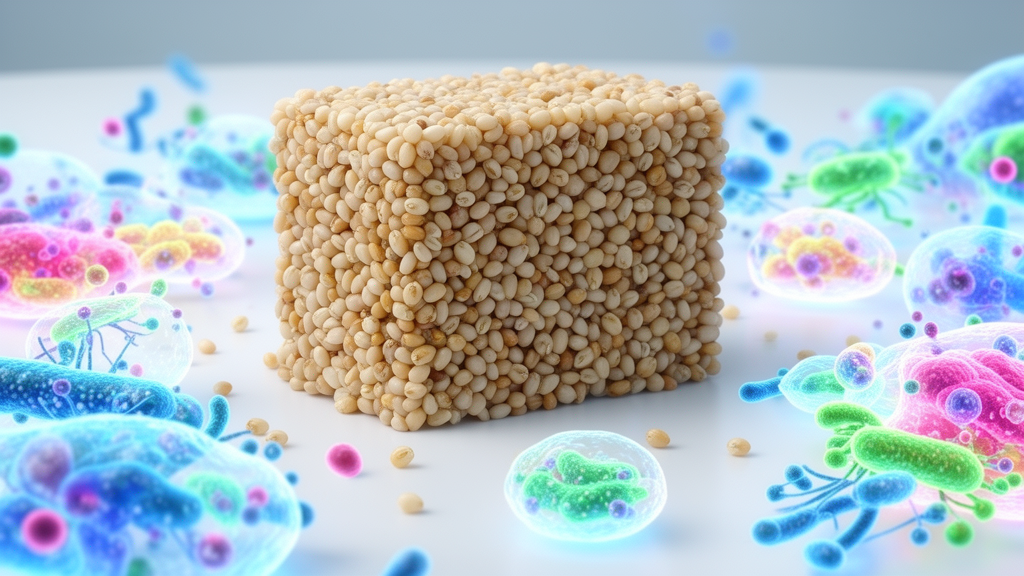
Recent research identifies fermented millets as a promising next-generation functional food, highlighting their ability to positively modulate gut microbiota composition and improve gastrointestinal well-being. By analyzing both traditional practices and modern fermentation technologies, the review underscores how the process of fermentation significantly enhances the nutritional and functional profile of millets, which are inherently nutrient-dense, climate-resilient grains. The investigation reveals that fermentation facilitates the breakdown of anti-nutritional factors and boosts the bioavailability of essential minerals, dietary fibers, and bioactive compounds, such as polyphenols and peptides. These chemical transformations are pivotal in creating foods that do not only provide basic nourishment but also contribute actively to metabolic regulation and immune modulation within the human gut environment.
The study, which synthesizes a broad range of data from traditional fermented foods like Koko, Fura, Dosa, and others, explores the complex interactions between dietary components, indigenous microbial consortia, and the host’s intestinal health. Lactic acid bacteria and yeast, which dominate the fermentation process in these products, are shown to play critical roles in producing short-chain fatty acids (SCFAs), including acetate, propionate, and butyrate. These metabolites are essential for maintaining colon health, as they lower intestinal pH and inhibit the proliferation of pathogenic microorganisms. Furthermore, the proteolytic activity observed during fermentation increases the digestibility of millet proteins, transforming complex storage proteins into smaller, more easily absorbed peptides and free amino acids, thereby enhancing the overall protein quality scores of the final food products.
Resistant starch (RS) and dietary fibers present in millets emerge as key functional components in this review. Acting as potent prebiotics, these substances resist enzymatic digestion and serve as substrates for beneficial bacteria such as Lactobacillus and Bifidobacterium. By fueling these beneficial microbial populations, fermented millet products facilitate the colonization resistance necessary to maintain a balanced gut ecosystem. This mechanism is particularly important for individuals with metabolic disorders, as the production of SCFAs and the modulation of the gut microbiome have been linked to improved glucose homeostasis and lipid profiles. The study highlights that these benefits extend to the prevention of chronic inflammatory conditions, suggesting that the integration of fermented millets into a regular diet could serve as a sustainable and accessible strategy to combat food insecurity and diet-related metabolic diseases.
Microbial profiling of various fermented millet products reveals a rich diversity of lactic acid bacteria strains, such as Lactobacillus plantarum, Lactobacillus fermentum, and Leuconostoc mesenteroides, alongside various yeast species. These microbes are not only responsible for the acidification that improves shelf stability and safety but also synthesize antimicrobial metabolites, including bacteriocins and hydrogen peroxide, which further suppress the growth of unwanted microorganisms. While traditional household preparation methods have been used for centuries, the researchers note the necessity for standardized fermentation processes and hygienic practices to ensure consistent quality and consumer safety, particularly as these products move toward commercial production and global distribution.
The study also investigates the physiological effects of specific bioactive compounds found in millets, such as alkaloids and terpenoids, which demonstrate antimicrobial and immunomodulatory properties. These compounds contribute to gut immunological homeostasis and can help decrease the risk of inflammatory bowel diseases.
Experimental evidence from various studies, including mouse models of colitis and diabetic rats, supports the potential therapeutic role of fermented millets in managing gut-related disorders. In these models, supplementation with fermented millet products has been linked to the restoration of gut barrier function, a reduction in pro-inflammatory cytokines, and an increase in beneficial bacterial populations. These findings provide a compelling link between the traditional culinary use of fermented millets and modern microbiome research. The research underscores that while millets have traditionally been undervalued compared to rice and wheat, their nutritional superiority and functional health benefits make them a critical focus for future food science innovations, especially in regions heavily reliant on staple cereal diets.
Despite the substantial promise identified, the research acknowledges several challenges hindering the widespread adoption of fermented millet foods. These include limited processing facilities, the need for standardized industrial-scale fermentation protocols, and the requirement for increased consumer awareness regarding the health benefits of these ancient grains. The authors emphasize that further systematic investigations, particularly through metagenomic and metabolomic approaches, are required to fully elucidate the complex molecular interactions between millet-derived metabolites, the human gut microbiome, and host physiological responses. Such research will be vital for optimizing processing techniques and developing shelf-stable, functional millet products that are accessible to a global population seeking effective dietary strategies for maintaining long-term metabolic and digestive health.
In conclusion, the investigation confirms that fermented millets represent a sophisticated functional food category with deep roots in traditional cultures. By enhancing the nutritional bioavailability and bioactive content of these grains, fermentation unlocks potential health-promoting pathways that support the gut microbiota and enhance immune function. The transition from traditional, small-scale preparation to standardized, science-backed production represents the next frontier in utilizing millet to address global nutrition challenges and provide scalable, accessible solutions for improving gastrointestinal well-being and managing the burden of chronic metabolic diseases.
To establish the analytical scope of the review, the authors queried Scopus and Google Scholar, initially screening 2,167 and 7,583 publications before selecting 208 core investigations. This literature details the primary nutritional attributes of raw millets compared to common cereal crops. Unprocessed millets contain 6% to 13% protein, with foxtail and proso varieties providing essential amino acids such as lysine, methionine, and cysteine that are typically limited in rice and wheat. Fat content ranges from 2% to 8%, with pearl millet containing the highest amounts, dominated by unsaturated linoleic and oleic acids. Total dietary fibre in millets is approximately twice that of polished rice, containing soluble polymers like beta-glucans and arabinoxylans alongside insoluble cellulose and hemicellulose. In both in vitro and in vivo evaluations, these non-digestible carbohydrates selectively promote the growth of probiotic strains such as Bifidobacterium and Lactobacillus while supporting intestinal barrier integrity. Micronutrient densities are notably high: finger millet supplies 364 milligrams of calcium per 100 grams, pearl millet averages 6.42 milligrams of iron per 100 grams, and grains deliver significant amounts of phosphorus, zinc, thiamine, niacin, and riboflavin.
The biochemical shifts occurring during fermentation are illustrated across regional food preparations that alter nutrient availability. In conventional Nigerian ogi preparation, pearl millet grains are soaked in water for roughly 48 hours at 28 degrees Celsius, ground into paste, filtered through muslin, and fermented for one to three days. While processing reduces crude fibre by 42.3%, ash by 28.6%, and protein by 24%, the fermentation produces a 128.6% increase in vitamin B2 while elevating lysine and raising tryptophan by 5.6%. In southern India, preparing koozh requires a two-stage fermentation lasting 48 hours: an initial finger millet slurry ferments for 12 to 15 hours before boiled broken rice is incorporated to cook a porridge known as noyee, which undergoes a secondary 24-hour fermentation into kali before final dilution with water. In parallel evaluations of traditional batters, fermenting barnyard millet improved antioxidant activity by approximately 13% and iron availability by 8.7% while decreasing tannin content by 15%. Additionally, the Nepalese alcoholic beverage jandh ferments cooked finger millet with an indigenous starter culture called murcha in closed earthenware for periods ranging from weeks to months, using consortia that include Saccharomycopsis fibuligera and Pediococcus pentosaceus.
Targeted modern formulations build on these empirical practices to develop foods with quantified physiological characteristics. Investigators developed a functional drink from barnyard, foxtail, and kodo millets supplemented with fructo-oligosaccharides, achieving a glycaemic index of 45.07, dietary fibre of 5.72 grams per 100 grams, and 47.69 milligrams of ferulic acid equivalents per 100 millilitres. In solid-state fermentation trials, inoculating kodo millet with Penicillium roqueforti yielded a novel food called Nilamdana, which demonstrated a 50% increase in fat content while inhibiting pancreatic lipases and advanced glycation end products. At the cellular level, soluble dietary fibre extracted from selenium-enriched millet activated RAW 264.7 macrophages via NF-κB and mitogen-activated protein kinase pathways, prompting the secretion of nitric oxide, interleukin-6, interleukin-10, and tumour necrosis factor-alpha. This soluble fraction also stimulated natural killer cells, elevating granzyme-B and interferon-gamma release while upregulating surface activation markers CD56, CD107a, and NKp44.
In vivo studies provide experimental confirmation of these systemic and gastrointestinal outcomes. In feeding trials involving albino rats, consuming fermented millet flour supplemented with ginger powder improved weight gain and haematological parameters, whereas hyperlipidaemic rats given millet diets exhibited lower serum triglycerides and reduced C-reactive protein levels. In diabetic mice, administering lipids extracted from foxtail millet reduced pathogenic bacteria while enriching beneficial short-chain fatty acid producers, notably Adlercreutzia and Faecalibaculum. Clinical and interventional human trials, while still limited in number, corroborate these physiological responses. Interventional dietary assessments observed improved digestive metrics, including reduced abdominal distension and accelerated bowel motility. Furthermore, human trial participants placed on balanced millet diets reported enhanced general well-being that correlated with normalized gut microbiota profiles, supporting the potential role of fermented millets in human health.
Subject of Research: Role of fermented millet products in human gut health and microbiota modulation.
Article Title: Fermented millets as next-generation functional foods: insights into microbiota modulation and gastrointestinal health
Article References: Kumar, V., Sharma, C., Bhatt, S. C., Rajput, V., Mishra, R., Gupta, A. K., Shikha, D., Kumar, V., & Naik, B. (2026). Fermented millets as next-generation functional foods: insights into microbiota modulation and gastrointestinal health. Food Production, Processing and Nutrition, 8(1), Article 54. https://doi.org/10.1186/s43014-026-00402-y
Image Credits: AI Generated
DOI: 10.1186/s43014-026-00402-y
Keywords: Fermented Millets, Gut Microbiota, Functional Foods, Prebiotics, Lactic Acid Bacteria, Short-Chain Fatty Acids, Gastrointestinal Health, Metabolic Regulation, Probiotic Potential, Nutritional Bioavailability, Dietary Fiber, Antioxidant Properties, Inflammatory Bowel Disease, Glycemic Control, Sustainable Agriculture, Microbial Metabolites, Immune Modulation, Food Processing Technology
News Source: Morgan Morrow. (November 16, 2026). Fermented Millets Show Significant Potential for Enhancing Gut Microbiota Health. Scienmag.