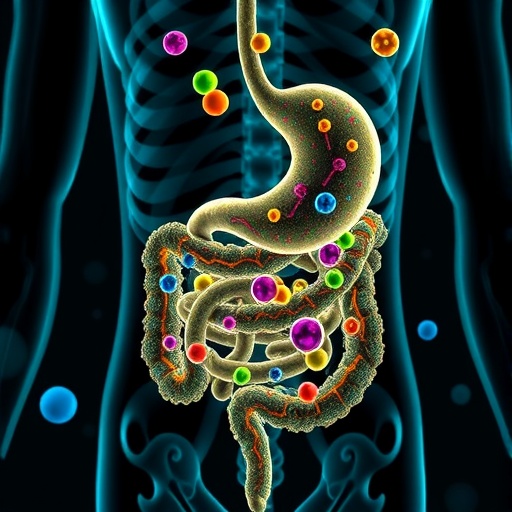
A groundbreaking study from The University of Texas MD Anderson Cancer Center unveils a crucial link between gut microbiota, fasting, and intestinal regeneration after radiation damage. The research identifies the bacterium Akkermansia muciniphila (AKK) as a key factor that primes intestinal stem cells for accelerated recovery following radiation therapy, a common treatment for abdominal cancers such as pancreatic, colorectal, and gynecologic malignancies.
Radiation therapy, while effective against cancer cells, often damages the sensitive lining of the small intestine. This collateral damage leads to severe side effects including nausea, diarrhea, and infections, which can limit the dosage of radiation patients can safely receive. The new findings shed light on a potential biological mechanism that could mitigate these adverse effects and enhance the efficacy of radiation treatments.
In preclinical models, a 24-hour fasting period significantly increased the levels of AKK in the gut microbiome. This bacterium produces propionate, a short-chain fatty acid that influences intestinal cell metabolism. The combined effect of fasting-induced metabolic shifts and propionate leads to the chemical modification of histones—proteins around which DNA is tightly coiled—within intestinal cells. These epigenetic changes, marked by the addition of small chemical tags, enhance the accessibility of DNA regions linked to regenerative gene programs.
This epigenetic priming effectively prepares a subset of intestinal stem cells to respond more rapidly after injury. By unwrapping DNA from histone constraints, the cells are pre-set to initiate gene expression necessary for tissue repair. Following radiation exposure, these preconditioned cells expand robustly, contributing to faster regeneration of the intestinal lining.
Crucially, experiments that removed AKK from the microbiome demonstrated a complete loss of the regenerative benefit conferred by fasting. Reintroducing AKK during fasting restored the enhanced repair response, emphasizing that both the microbial presence and fasting-induced metabolic environment are indispensable for this protective effect.
This microbiome–metabolite–chromatin axis not only uncovers a novel mechanism of tissue resilience but also points toward innovative therapeutic opportunities. While fasting itself may be impractical for cancer patients, harnessing microbial therapies or metabolite-based interventions could replicate these benefits without dietary restrictions.
Future research will explore whether similar regenerative pathways can support other rapidly dividing tissues vulnerable to cancer treatments, such as bone marrow. The potential translation of this approach into clinical settings could revolutionize how radiation side effects are managed, ultimately improving patient outcomes.
This study represents a compelling advancement in understanding how diet, microbial ecosystems, and epigenetic regulation collaborate to influence health and recovery, opening new frontiers in supportive care for cancer therapy.
Subject of Research: Gut microbiome, intestinal regeneration, radiation therapy, fasting
Article Title: Fasting primes small intestinal regeneration after damage via a microbiome–metabolite–chromatin axis
News Publication Date: 23-Jun-2026
Web References: https://www.pnas.org/doi/10.1073/pnas.2529215123
Image Credits: The University of Texas MD Anderson Cancer Center
Keywords: Radiation therapy, Cancer, Colorectal cancer, Pancreatic cancer, Human gut microbiota, Gut microbiota, Small intestine
Tags: Akkermansia muciniphila in radiation therapybiological mechanisms of intestinal repairepigenetic modifications in intestinal cellsfasting and intestinal regenerationfasting-induced gut microbiota shiftsGut microbiomegut microbiome and cancer treatment outcomesmicrobiome and stem cell activation post-radiationmicrobiota-targeted therapies for radiation side effectsmicrobiota’s role in gut healingradiation-induced gut damage mitigationshort-chain fatty acids and colon recovery