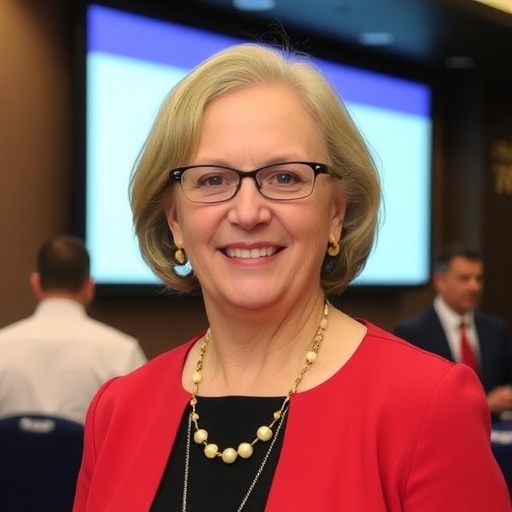
BOSTON, MA — August 7, 2026 — The science of aging is entering a new phase, and one of the world’s most influential longevity meetings is positioning itself at the center of that transformation. Organizers of the 13th Aging Research & Drug Discovery (ARDD) Meeting have announced that Ruth Gimeno, vice president of Diabetes, Obesity & Cardiometabolic Research and Early Clinical Development at Eli Lilly, will be a featured speaker at the 2026 gathering. The meeting will take place October 1–3 at the David Rubenstein Treehouse at Harvard University in Boston, bringing together researchers, clinicians, pharmaceutical executives, biotechnology founders and investors working to turn discoveries in aging biology into medicines.
ARDD 2026 arrives as longevity research moves rapidly beyond basic laboratory investigation. Biological aging is increasingly being studied as a modifiable risk factor that influences multiple diseases simultaneously, including cancer, neurodegeneration, cardiovascular disease, diabetes and frailty. Rather than targeting a single diagnosis, geroscience seeks to identify molecular processes that contribute to declining function across tissues. These processes include cellular senescence, chronic inflammation, mitochondrial dysfunction, loss of proteostasis, impaired stem-cell activity and changes in nutrient-sensing pathways. The goal is not simply to extend lifespan, but to prolong the period of life spent in good health, a concept known as healthspan.
The meeting’s organizers describe ARDD as a global forum for connecting academic discoveries with clinical development and commercial drug research. That connection has become increasingly important as pharmaceutical companies invest in therapies that may affect metabolic health, inflammation, tissue repair and age-related functional decline. Drug developers are also exploring new ways to measure biological aging, including molecular clocks, immune profiles, imaging technologies and composite biomarkers. These tools could help determine whether an intervention is altering the underlying biology of aging rather than merely treating one symptom or disease at a time.
Gimeno’s participation highlights the growing overlap between longevity science and metabolic medicine. Research into obesity, diabetes and cardiometabolic disease has revealed that nutrient sensing, insulin signaling, adipose-tissue dysfunction and systemic inflammation can influence the aging process throughout the body. New generations of metabolic therapies have also intensified interest in whether improvements in weight, glucose regulation and cardiovascular risk could affect broader measures of healthy aging. As an executive involved in both research and early clinical development, Gimeno is expected to represent the increasingly important path between biological insight and the design of human trials.
“The biology of aging has become one of the most promising frontiers in biomedical science,” said Vadim Gladyshev, executive chair of ARDD and professor of medicine at Harvard University. He said the field must combine a deeper understanding of aging mechanisms with the translation of fundamental discoveries into interventions capable of improving healthspan. In his view, scientific progress will depend on collaboration among researchers who can challenge established assumptions, test new ideas and build partnerships across academia, industry and clinical medicine.
That collaborative model is reflected in the meeting’s industry participation. Insilico Medicine and Eli Lilly are identified as Tier 1 sponsors, while the McKinsey Health Institute will serve as the Sole Knowledge Partner. Other listed supporters include AbbVie, AniVC, AstraZeneca, BioAge Labs, Biocytogen, Cambrian Bio, Cyclarity Therapeutics, Dior, GlycanAge, Gordian Biotechnology, Human Longevity, the Institute for Healthier Living Abu Dhabi, LongeVC, Maxwell Biosciences, Nestlé, Tally Health and TruDiagnostic. Synaro Capital, The Cat Health Company and PranaGen Bioscience are supporting the event as Tier 4 sponsors, while Estée Lauder, Morgan Stanley, the Intrinsic Capacity Frailty & Sarcopenia Research Conference for Healthy Longevity and QuadraScope are listed as Tier 5 sponsors.
The breadth of the sponsor and participant network reflects a major shift in the economics of aging research. Longevity biotechnology is no longer confined to a small group of academic laboratories or speculative startups. It now encompasses companies developing therapeutics, diagnostics, biological-age assessments, artificial-intelligence platforms and interventions aimed at preserving function in older adults. However, the field still faces significant scientific and regulatory challenges. Researchers must determine which aging-related biomarkers reliably predict clinical outcomes, establish trial designs suitable for long-term benefits and distinguish genuine improvements in biological resilience from short-term changes in laboratory measurements.
“For over a decade, ARDD has served as the primary global platform for academia-pharma-startup-investor dialogue,” said Alex Zhavoronkov, Ph.D., founder and chief executive officer of Insilico Medicine. He said the meeting’s move to Boston reflects the increasing momentum behind longevity biotechnology and its emergence as a major component of modern drug discovery and health economics. Boston’s concentration of universities, hospitals, pharmaceutical companies, venture investors and biotechnology firms makes the city a natural setting for discussions about how aging research can advance from experimental models to human therapeutics.
The 2026 meeting will be the first ARDD event held at the David Rubenstein Treehouse at Harvard University, placing the conference within one of the world’s most concentrated biomedical research ecosystems. The Nordic Aging Society, a nonprofit scientific organization focused on the biology of aging and collaboration across the Nordic region and beyond, is also supporting the event. Organizers say the meeting will bring together academic leaders, clinicians, biotechnology innovators, pharmaceutical companies, entrepreneurs, policymakers and investors to accelerate the development of practical research and therapeutic programs. As aging becomes one of the defining challenges for global health systems, ARDD 2026 is poised to become a high-profile test of whether the field can convert its extraordinary scientific momentum into measurable improvements in human health.
Subject of Research: Aging biology, longevity biotechnology, geroscience, healthspan, metabolic medicine and age-related drug discovery.
Article Title: ARDD 2026 Brings Longevity Science and Pharmaceutical Innovation to Boston
News Publication Date: August 7, 2026
Web References: https://agingpharma.org
Image Credits: ARDD 2026
Keywords: Aging research, longevity, healthspan, geroscience, drug discovery, Eli Lilly, Insilico Medicine, ARDD 2026, metabolic health, biotechnology, biological aging, Boston biotech.
Tags: Age-Related DiseasesAging Biologyaging drug discoveryARDD meeting 2026biology of agingbiotechnology in agingCellular senescencegeroscience advancementslongevity clinical developmentlongevity researchmodifiable risk factors in agingRuth Gimeno Eli Lilly