

• HOME
  • NEWS
  • EXPLORE
    • CAREER
      • Companies
      • Jobs
    • EVENTS
    • iGEM
      • News
      • Team
    • PHOTOS
    • VIDEO
    • WIKI
  • BLOG
  • COMMUNITY
    • FACEBOOK
    • INSTAGRAM
    • TWITTER
Wednesday, April 1, 2026
BIOENGINEER.ORG
No Result
View All Result
  • Login
  • HOME
  • NEWS
  • EXPLORE
    • CAREER
      • Companies
      • Jobs
        • Lecturer
        • PhD Studentship
        • Postdoc
        • Research Assistant
    • EVENTS
    • iGEM
      • News
      • Team
    • PHOTOS
    • VIDEO
    • WIKI
  • BLOG
  • COMMUNITY
    • FACEBOOK
    • INSTAGRAM
    • TWITTER
  • HOME
  • NEWS
  • EXPLORE
    • CAREER
      • Companies
      • Jobs
        • Lecturer
        • PhD Studentship
        • Postdoc
        • Research Assistant
    • EVENTS
    • iGEM
      • News
      • Team
    • PHOTOS
    • VIDEO
    • WIKI
  • BLOG
  • COMMUNITY
    • FACEBOOK
    • INSTAGRAM
    • TWITTER
No Result
View All Result
Bioengineer.org
No Result
View All Result
Home NEWS Science News Biology

Electrospun sodium titanate speeds up the purification of nuclear waste water

Bioengineer by Bioengineer
June 27, 2018
in Biology
Reading Time: 2 mins read
0
Share on FacebookShare on TwitterShare on LinkedinShare on RedditShare on Telegram
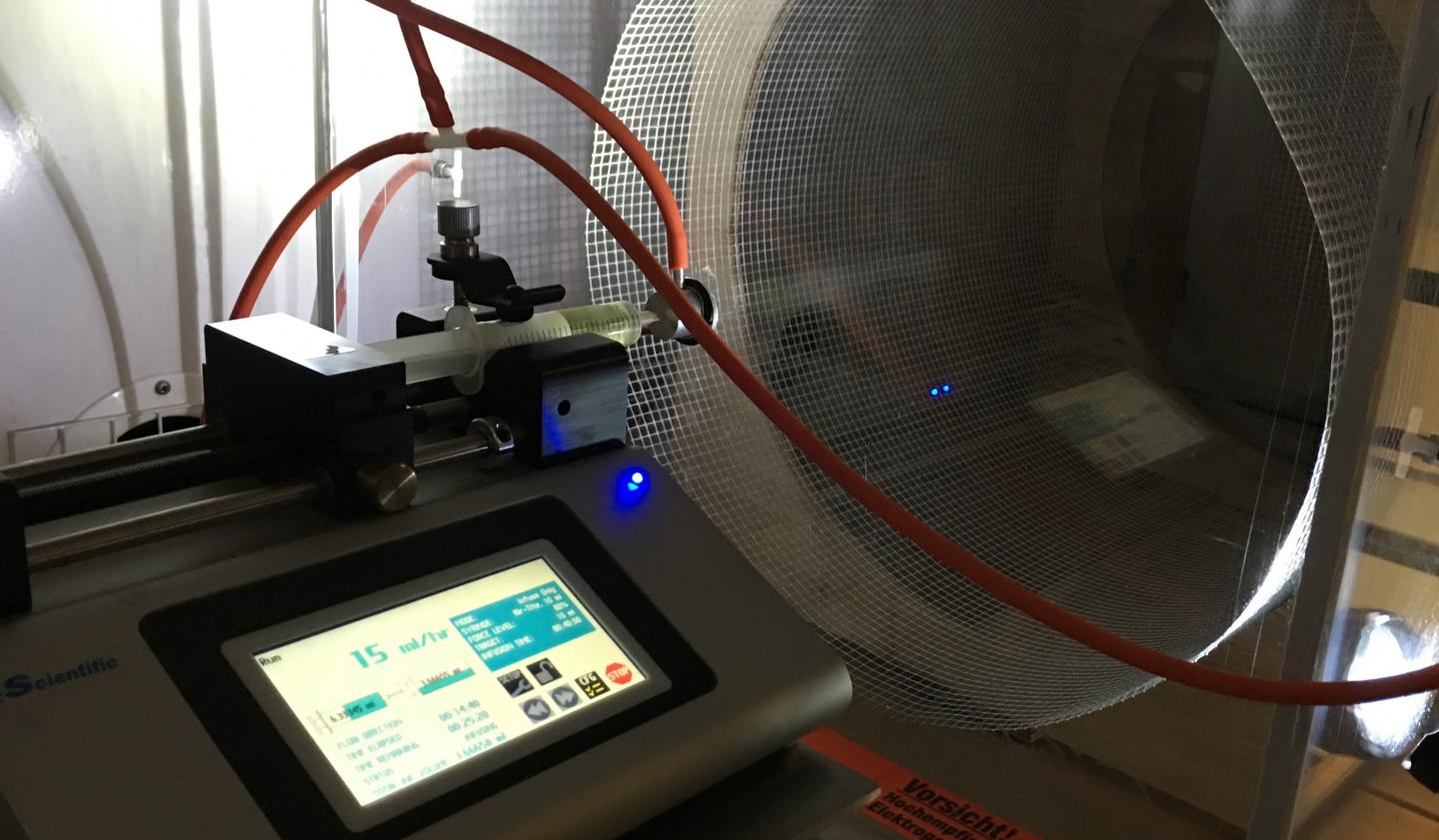
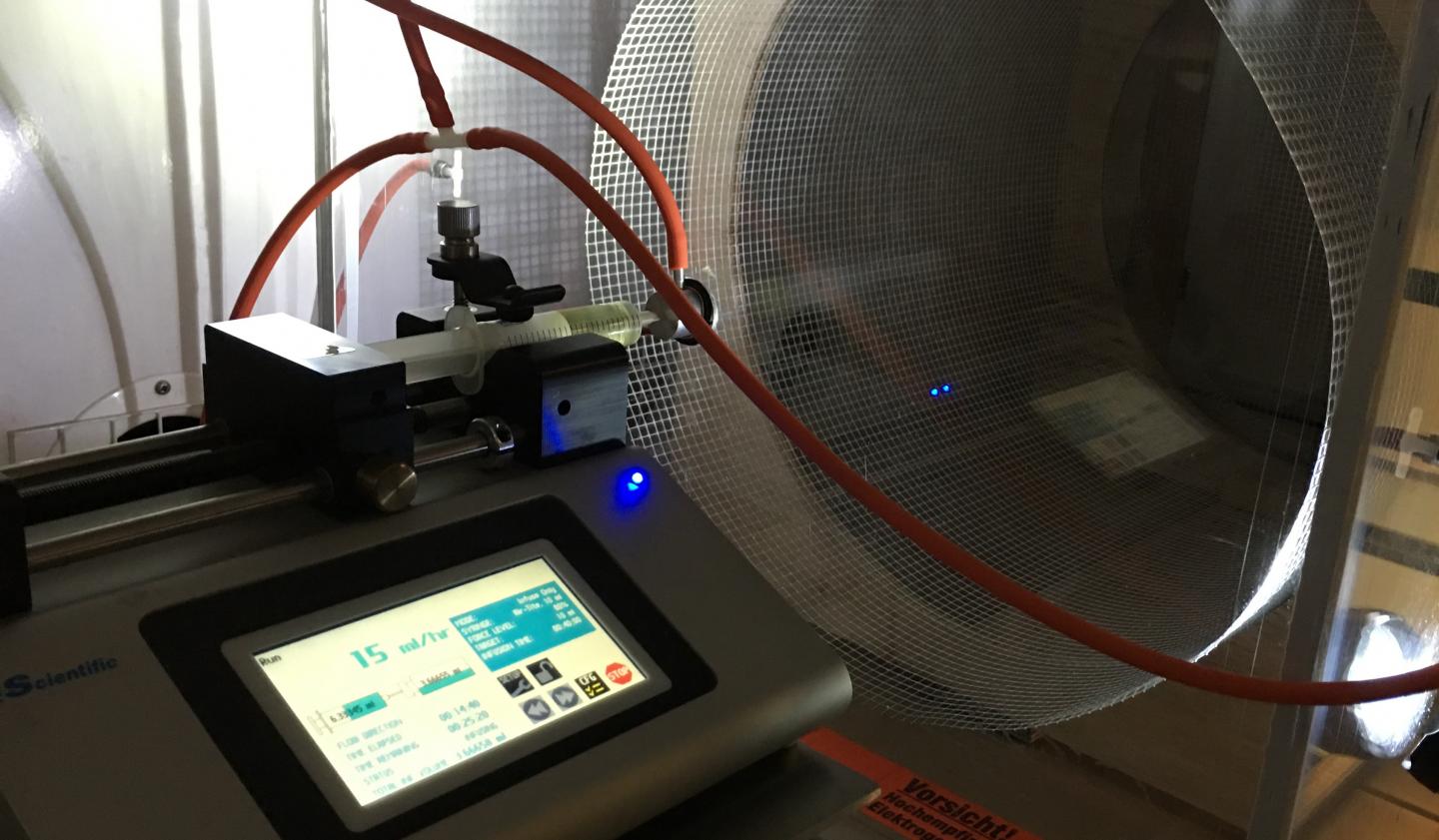
IMAGE

Credit: Riitta-Leena Inki

Electrospun sodium titanate speeds up the purification of water based on selective ion exchange – effectively extracts radio-active strontium

With the help of this new method, waste water can be treated faster than before, and the environmentally positive aspect is that the process leaves less solid radio-active waste.

The properties of electrospun sodium titanate are equal to those of commercially produced ion-exchange materials.

– The advantages of electrospun materials are due to the kinetics, i.e. reaction speed, of ion exchange, says Risto Koivula, a scientist in the research group Ion Exchange for Nuclear Waste Treatment and for Recycling at the Department of Chemistry at the University of Helsinki.

Synthetic sodium titanate is known as an effective remover of strontium, and granular sodium titanate is used in industrial quantities.

The purging method based on ion exchange was originally developed by Jukka Lehto and Risto Harjula from the University of Helsinki.

At present, granular sodium titanate is used to purify e.g. the waste water from the Fukushima nuclear disaster.

As it is run through an ion exchanger loaded into column, the radio-active strontium in the water is changed into sodium.

When the ion exchange capacity is filled, the filtering material has to be switched out. This leaves some solid radio-active waste.

– Since less electrospun material is needed from the start of the process, the radio-active waste requiring a permanent repository will also fit in a smaller space, says Koivula.

The electrospinning equpiment at the University of Helsinki was developed and built in the centre of excellence for atomic layer deposition, led by Mikko Ritala. The researchers successfully tried this quite simple method for working sodium titanate into fibre. Koivula's team studied the ion exchange features of fibre produced this way and found it worked like the commercially produced ones.

###

More details:

Researcher Risto Koivula, Ion exchange for nuclear waste treatment and for recycling research group, University of Helsinki, email: [email protected], Phone: + 358 50 4486640

Media Contact

Riitta-Leena Inki
[email protected]
358-504-485-770
@helsinkiuni

http://www.helsinki.fi/university/

Original Source

https://www.helsinki.fi/en/news/science/electrospun-sodium-titanate-speeds-up-the-purification-of-water-based-on-selective-ion-exchange-effectively-extracts-radio-active-strontium http://dx.doi.org/10.1080/09593330.2018.1481888


Share12Tweet8Share2ShareShareShare2

Related Posts

Do Your Genes Influence How Lifestyle Choices Affect Aging?

Do Your Genes Influence How Lifestyle Choices Affect Aging?

April 1, 2026
Combining Single-Cell Multiomics Unlocks Precise Identification of Rare Cell Types and States

Combining Single-Cell Multiomics Unlocks Precise Identification of Rare Cell Types and States

March 31, 2026

Genetically Engineered Marmosets Pave the Way for Advancements in Human Deafness Research

March 31, 2026

How Great Hammerhead Sharks Outsmart Ocean Temperature Swings: Insights from FIU Researchers

March 31, 2026
Please login to join discussion

POPULAR NEWS

  • blank

    Revolutionary AI Model Enhances Precision in Detecting Food Contamination

    96 shares
    Share 38 Tweet 24
  • Imagine a Social Media Feed That Challenges Your Views Instead of Reinforcing Them

    1006 shares
    Share 398 Tweet 249
  • Promising Outcomes from First Clinical Trials of Gene Regulation in Epilepsy

    51 shares
    Share 20 Tweet 13
  • Popular Anti-Aging Compound Linked to Damage in Corpus Callosum, Study Finds

    43 shares
    Share 17 Tweet 11

About

We bring you the latest biotechnology news from best research centers and universities around the world. Check our website.

Follow us

Recent News

Unveiling the Biological Pathways Linking Pesticides to Cancer Risk: New Study Sheds Light on Environmental Health Impacts

Inequities in Family Engagement Within the NICU

FGFR2b Links to Biomarkers, Tumor Diversity, Survival

Subscribe to Blog via Email

Enter your email address to subscribe to this blog and receive notifications of new posts by email.

Join 78 other subscribers
  • Contact Us

Bioengineer.org © Copyright 2023 All Rights Reserved.

Welcome Back!

Login to your account below

Forgotten Password?

Retrieve your password

Please enter your username or email address to reset your password.

Log In
No Result
View All Result
  • Homepages
    • Home Page 1
    • Home Page 2
  • News
  • National
  • Business
  • Health
  • Lifestyle
  • Science

Bioengineer.org © Copyright 2023 All Rights Reserved.