• HOME
  • NEWS
  • EXPLORE
    • CAREER
      • Companies
      • Jobs
    • EVENTS
    • iGEM
      • News
      • Team
    • PHOTOS
    • VIDEO
    • WIKI
  • BLOG
  • COMMUNITY
    • FACEBOOK
    • INSTAGRAM
    • TWITTER
Monday, May 11, 2026
BIOENGINEER.ORG
No Result
View All Result
  • Login
  • HOME
  • NEWS
  • EXPLORE
    • CAREER
      • Companies
      • Jobs
        • Lecturer
        • PhD Studentship
        • Postdoc
        • Research Assistant
    • EVENTS
    • iGEM
      • News
      • Team
    • PHOTOS
    • VIDEO
    • WIKI
  • BLOG
  • COMMUNITY
    • FACEBOOK
    • INSTAGRAM
    • TWITTER
  • HOME
  • NEWS
  • EXPLORE
    • CAREER
      • Companies
      • Jobs
        • Lecturer
        • PhD Studentship
        • Postdoc
        • Research Assistant
    • EVENTS
    • iGEM
      • News
      • Team
    • PHOTOS
    • VIDEO
    • WIKI
  • BLOG
  • COMMUNITY
    • FACEBOOK
    • INSTAGRAM
    • TWITTER
No Result
View All Result
Bioengineer.org
No Result
View All Result
Home NEWS Science News Biology

Drier mountains pose a double whammy for cold-adapted amphibians, says SFU study

Bioengineer by Bioengineer
January 25, 2019
in Biology
Reading Time: 3 mins read
0
IMAGE
Share on FacebookShare on TwitterShare on LinkedinShare on RedditShare on Telegram

IMAGE

Credit: SFU


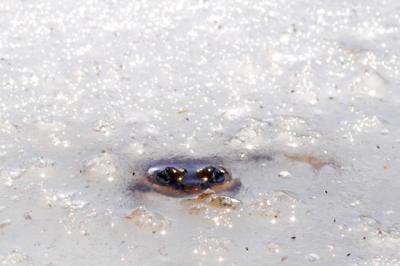
A species of frog endemic to the Pacific Northwest faces a 50 per cent increase in the probability of extinction by the 2080s due to climate change, according to a new study published by SFU researchers in the Ecological Society of America.

The mountain-dwelling Cascades frog thrives in extreme climatic conditions, ranging from dozens of feet of snow in winter to temperatures in excess of 90°F in summer. Cascades frogs are explosive breeders and their role as predators of flying insects is critical to aquatic and terrestrial ecosystems.

SFU biologist Wendy Palen, along with co-authors Mike Adams of the United States Geological Survey and Maureen Ryan and Amanda Kissel of Conservation Science Partners, set out to understand the effects of climate change on these unique amphibians.

Specifically, they aimed to assess how the warmer and drier temperatures occurring with climate change affect the survival of two distinct aspects of the frog’s life cycle: in the aquatic stage where the frogs develop as tadpoles in shallow ponds, and in the terrestrial environment stage where they live as adults.

During the frogs’ aquatic stage, the researchers evaluated whether warmer temperatures would increase food production and result in larger, healthier frogs upon metamorphosis, or whether entire generations of frogs would die in years when warmer, drier winters lead to ponds that dry quickly, stranding tadpoles before metamorphosis.

For the terrestrial stage, they evaluated whether the milder winters of climate change would present a warm welcome and lead to higher survival of adult frogs.

The species has been tracked in Olympic National Park’s Sol Duc watershed for approximately 15 years. In fact, Palen, now a professor of biology at SFU, was a graduate student at the University of Washington when she began tagging hundreds of frogs with tiny microchips.

More recently Kissel, a lead scientist at Conservation Science Partners, continued the work by monitoring more than 50 ponds that the frogs use for breeding. She tracked water levels and the timing of metamorphosis to identify how often ponds dried before the frogs could emerge.

The team found that currently, up to a quarter of the tadpoles are stranded and die each year. Applying projections from hydrologists from the universities of Washington and Notre Dame, the researchers predict that nearly 40 per cent of the tadpoles could be lost by the 2080s as a result of dry ponds.

The results from studying the frog’s terrestrial stage were even more surprising. Data showed that thinner snow-packs and warmer summer temperatures actually reduced adult survival.

Taking both trends together, the researchers forecast that the Cascades frog will have a 62 per cent chance of extinction risk by the 2080s.

Kissel says, “This is a worst-case scenario, where a frog that largely occurs inside some of our most protected landscapes will be at high risk of extinction by the end of this century.”

The study supports an emerging picture of climate change in the Pacific Northwest where, as a result of warmer temperatures, precipitation will fall more often as rain rather than snow, leading to longer, drier summers with compounding negative consequences for many wildlife species.

###

Media Contact
Justin Wong
[email protected]
778-782-3035

Original Source

http://www.sfu.ca/university-communications/issues-experts/2019/01/drier-mountains-pose-a-double-whammy-for-cold-adapted-amphibians.html

Related Journal Article

http://dx.doi.org/10.1002/eap.1832

Tags: BiodiversityBiologyClimate ChangeEarth ScienceFisheries/AquacultureMarine/Freshwater BiologyTemperature-Dependent Phenomena
Share12Tweet8Share2ShareShareShare2

Related Posts

Ancient Plant Populations Reveal Fresh Insights into Climate Resilience — Biology

Ancient Plant Populations Reveal Fresh Insights into Climate Resilience

May 8, 2026
Rare Brain Disorders in Children Linked to Mutations in Lesser-Known Protein Complex — Biology

Rare Brain Disorders in Children Linked to Mutations in Lesser-Known Protein Complex

May 8, 2026

From Odd Insect to Underwater Predator: The Remarkable Evolution of a Bloodthirsty Fruit Fly

May 8, 2026

SNU Professor Sangwoo Seo’s Team Develops Next-Generation CRISPR Biocontainment Technology to Control Microbial Survival Without DNA Cleavage

May 8, 2026
Please login to join discussion

POPULAR NEWS

  • Research Indicates Potential Connection Between Prenatal Medication Exposure and Elevated Autism Risk

    840 shares
    Share 336 Tweet 210
  • New Study Reveals Plants Can Detect the Sound of Rain

    727 shares
    Share 290 Tweet 181
  • Salmonella Haem Blocks Macrophages, Boosts Infection

    61 shares
    Share 24 Tweet 15
  • Breastmilk Balances E. coli and Beneficial Bacteria in Infant Gut Microbiomes

    57 shares
    Share 23 Tweet 14

About

We bring you the latest biotechnology news from best research centers and universities around the world. Check our website.

Follow us

Recent News

New Post-Hoc Analysis Explores Daily Oral Orforglipron Use in Adults Over 65 with Obesity, Regardless of Diabetes Status

Evaluating Digoxin Use in Patients with Symptomatic Rheumatic Heart Disease

Evaluating the Effectiveness and Safety of Digitalis Glycosides in Treating Heart Failure

Subscribe to Blog via Email

Enter your email address to subscribe to this blog and receive notifications of new posts by email.

Join 82 other subscribers
  • Contact Us

Bioengineer.org © Copyright 2023 All Rights Reserved.

Welcome Back!

Login to your account below

Forgotten Password?

Retrieve your password

Please enter your username or email address to reset your password.

Log In
No Result
View All Result
  • Homepages
    • Home Page 1
    • Home Page 2
  • News
  • National
  • Business
  • Health
  • Lifestyle
  • Science

Bioengineer.org © Copyright 2023 All Rights Reserved.