• HOME
  • NEWS
  • EXPLORE
    • CAREER
      • Companies
      • Jobs
    • EVENTS
    • iGEM
      • News
      • Team
    • PHOTOS
    • VIDEO
    • WIKI
  • BLOG
  • COMMUNITY
    • FACEBOOK
    • INSTAGRAM
    • TWITTER
Sunday, August 16, 2026
BIOENGINEER.ORG
No Result
View All Result
  • Login
  • HOME
  • NEWS
  • EXPLORE
    • CAREER
      • Companies
      • Jobs
        • Lecturer
        • PhD Studentship
        • Postdoc
        • Research Assistant
    • EVENTS
    • iGEM
      • News
      • Team
    • PHOTOS
    • VIDEO
    • WIKI
  • BLOG
  • COMMUNITY
    • FACEBOOK
    • INSTAGRAM
    • TWITTER
  • HOME
  • NEWS
  • EXPLORE
    • CAREER
      • Companies
      • Jobs
        • Lecturer
        • PhD Studentship
        • Postdoc
        • Research Assistant
    • EVENTS
    • iGEM
      • News
      • Team
    • PHOTOS
    • VIDEO
    • WIKI
  • BLOG
  • COMMUNITY
    • FACEBOOK
    • INSTAGRAM
    • TWITTER
No Result
View All Result
Bioengineer.org
No Result
View All Result
Home NEWS Science News Health

Double success for University drug resistance research

Bioengineer by Bioengineer
February 14, 2020
in Health
Reading Time: 2 mins read
0
IMAGE
Share on FacebookShare on TwitterShare on LinkedinShare on RedditShare on Telegram

Experts involved in two international papers
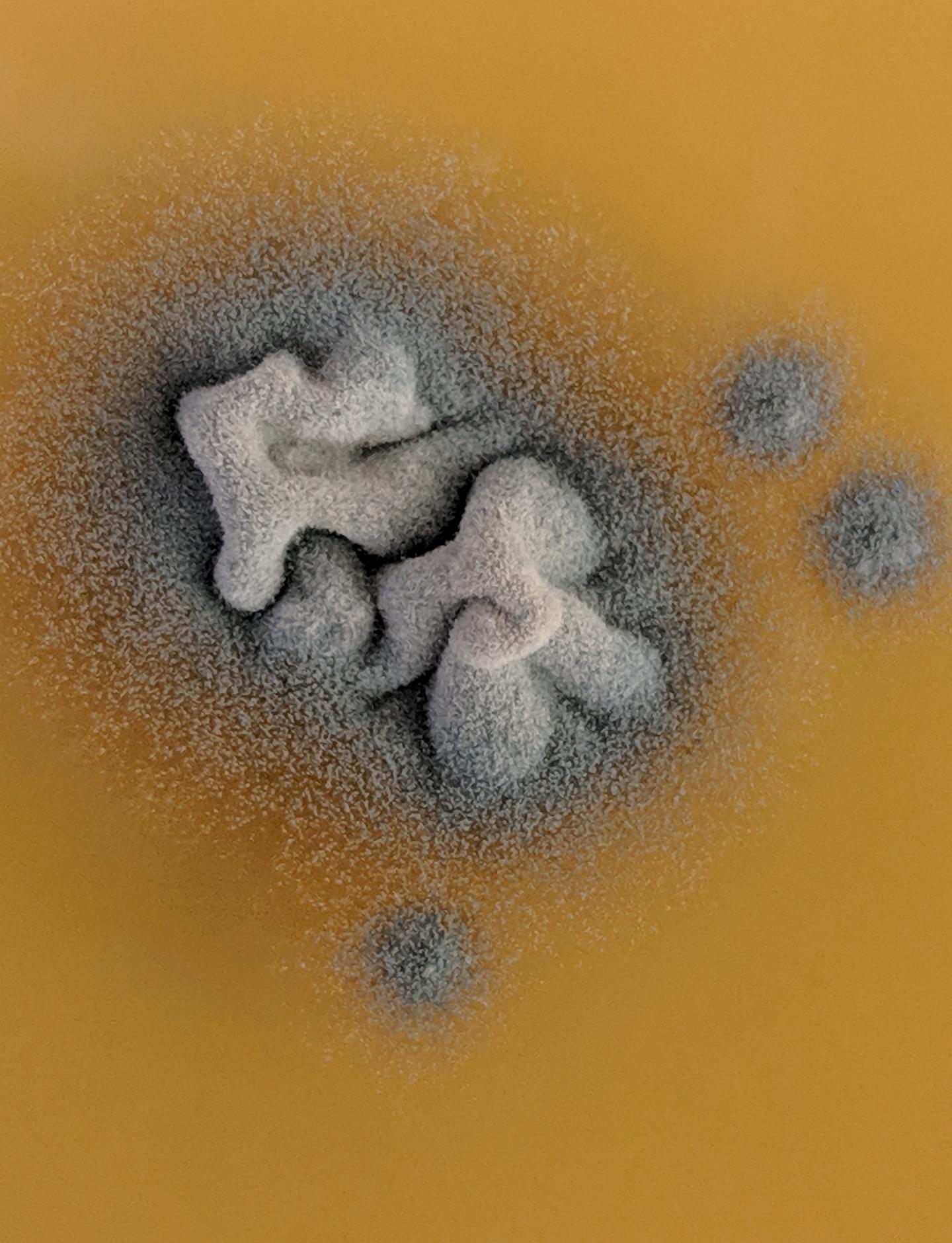
IMAGE

Credit: Swansea University


Swansea University research into the threat posed by antifungal drug resistance has been highlighted in two prestigious international journals.

Fungal disease now kills more people than malaria or TB and the Centre for Disease Control in the USA recognises emergence of multi-drug resistance in fungi as a high level threat.

Dr Josie Parker and Prof Steve Kelly, from Swansea University Medical School’s Centre for Cytochrome P450 Diversity have been involved in the studies which investigated different aspects of resistance

The first publication in the American Microbiology Society journal mBio saw them working with fellow academics from the University of Lausanne led by Professor Dominque Sanglard to compare whole genomes to identify key mutations involved in resistance to the drugs available that include azoles, amphotericin B and echinocandins.

A second publication in Nature Communications involved an international collaboration led by Manchester University’s Professor Paul Bowyer and Dr Mike Bromley.

It examined drug resistance in the filamentous fungal pathogen Aspergillus fumigatus. Breathing in the airborne spores of this fungus can cause the devastating disease invasive aspergillosis which causes more than 200,000 life-threatening infections every year.

Professor Kelly, who has been researching the field of antifungal resistance for more than 30 years, said: “We are very pleased to be involved in both these research projects and that they have been published in such well-regarded journals.

“Improving our understanding of antifungal drug resistance will help in the development of effective and potentially life-saving therapies for the future.”

###

Media Contact
Kathy Thomas
[email protected]
01-792-604-290

Related Journal Article

http://dx.doi.org/10.1128/mBio.02512-19

Tags: BacteriologyCell BiologyImmunology/Allergies/AsthmaInfectious/Emerging DiseasesMedicine/HealthMicrobiologyMolecular Biology
Share12Tweet8Share2ShareShareShare2

Related Posts

PARP1 Drives Neuropathic Pain Through GPX4-Dependent Ferroptosis in Injured Mice’s Sensory Neurons

August 15, 2026

Genome-wide skin pQTL map reveals genetic regulators and mechanisms underlying skin disorders

August 15, 2026

Levistilide A Drives Ferroptosis via RNF40-HSP90α Axis, Suppressing Colorectal Cancer Lung Metastasis

August 15, 2026

Sintilimab, IBI305, and Chemotherapy Show Promise in First-Line Advanced Gastric and GEJ Adenocarcinoma

August 15, 2026
Please login to join discussion

POPULAR NEWS

  • KAIST develops semiconductor neuron that harnesses noise to selectively process signals

    29 shares
    Share 12 Tweet 7
  • Imagining natural and extra robotic thumbs together strengthens kinesthetic sensorimotor networks

    29 shares
    Share 12 Tweet 7
  • PARP1 Drives Neuropathic Pain Through GPX4-Dependent Ferroptosis in Injured Mice’s Sensory Neurons

    29 shares
    Share 12 Tweet 7
  • Strubbelig–NHL3 Receptor Complex Helps Arabidopsis Respond to Cellulose Deficiency

    29 shares
    Share 12 Tweet 7

About

We bring you the latest biotechnology news from best research centers and universities around the world. Check our website.

Follow us

Recent News

KAIST develops semiconductor neuron that harnesses noise to selectively process signals

Imagining natural and extra robotic thumbs together strengthens kinesthetic sensorimotor networks

PARP1 Drives Neuropathic Pain Through GPX4-Dependent Ferroptosis in Injured Mice’s Sensory Neurons

Subscribe to Blog via Email

Enter your email address to subscribe to this blog and receive notifications of new posts by email.

Join 85 other subscribers
  • Contact Us

Bioengineer.org © Copyright 2023 All Rights Reserved.

Welcome Back!

Login to your account below

Forgotten Password?

Retrieve your password

Please enter your username or email address to reset your password.

Log In
No Result
View All Result
  • Homepages
    • Home Page 1
    • Home Page 2
  • News
  • National
  • Business
  • Health
  • Lifestyle
  • Science

Bioengineer.org © Copyright 2023 All Rights Reserved.