• HOME
  • NEWS
  • EXPLORE
    • CAREER
      • Companies
      • Jobs
    • EVENTS
    • iGEM
      • News
      • Team
    • PHOTOS
    • VIDEO
    • WIKI
  • BLOG
  • COMMUNITY
    • FACEBOOK
    • INSTAGRAM
    • TWITTER
Tuesday, June 9, 2026
BIOENGINEER.ORG
No Result
View All Result
  • Login
  • HOME
  • NEWS
  • EXPLORE
    • CAREER
      • Companies
      • Jobs
        • Lecturer
        • PhD Studentship
        • Postdoc
        • Research Assistant
    • EVENTS
    • iGEM
      • News
      • Team
    • PHOTOS
    • VIDEO
    • WIKI
  • BLOG
  • COMMUNITY
    • FACEBOOK
    • INSTAGRAM
    • TWITTER
  • HOME
  • NEWS
  • EXPLORE
    • CAREER
      • Companies
      • Jobs
        • Lecturer
        • PhD Studentship
        • Postdoc
        • Research Assistant
    • EVENTS
    • iGEM
      • News
      • Team
    • PHOTOS
    • VIDEO
    • WIKI
  • BLOG
  • COMMUNITY
    • FACEBOOK
    • INSTAGRAM
    • TWITTER
No Result
View All Result
Bioengineer.org
No Result
View All Result
Home NEWS Science News Biology

Diet of traditional Native foods revealed in hair samples

Bioengineer by Bioengineer
July 25, 2019
in Biology
Reading Time: 3 mins read
0
IMAGE
Share on FacebookShare on TwitterShare on LinkedinShare on RedditShare on Telegram

IMAGE

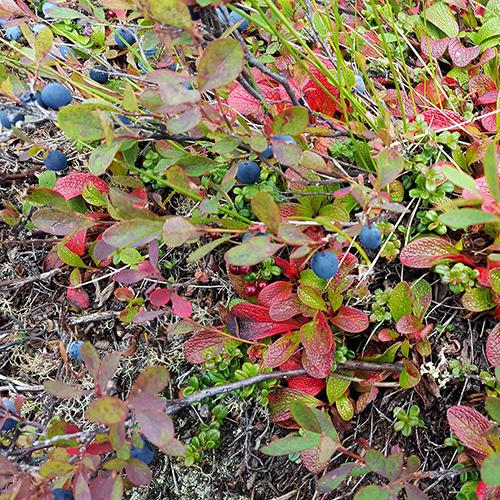
Credit: Photo courtesy of the UA Museum of the North

University of Alaska Fairbanks researchers have linked specific chemical signatures found in human hair with a diet of traditional Yup’ik foods. The finding could help scientists make connections between diet and long-term health trends in Alaska Native populations.

The study was published this month in the Journal of Nutrition.

The researchers examined the diets of 68 residents in two Southwest Alaska coastal villages. Each resident participated in four extensive dietary interviews and provided hair samples. Scientists analyzed the samples at specific locations along each strand of hair for the ratio between different nitrogen isotopes, which is a potential chemical signal, or biomarker, of diet.

Researchers were able to strongly establish a connection between the biomarker and the consumption of traditional foods like fish and marine mammals. Changes in the biomarker along the hair strand also showed that traditional food intake peaked during the summer months.

The consumption of many traditional foods increases the presence of heavier nitrogen isotopes in the hair, because those isotopes are more abundant in animals that are higher in the food web, such as marine mammals and fish. Scientists have established that general relationship before, but the new results will allow them to more closely pinpoint the amount of traditional foods in a person’s diet, said senior author Diane O’Brien, a researcher at UAF’s Center for Alaska Native Health Research.

“This study lets us put a number on it – in other words, it lets us translate a biomarker measurement to a specific percent of the diet from traditional foods,” O’Brien said. “It seemed to be a very good reflection of all the traditional foods people were eating, even foods like berries and greens that do not have high nitrogen isotope ratios. This is likely because people who consume a lot of traditional foods tend to consume all of them, not just certain ones.”

These data are important to scientists because the consumption of traditional foods in Alaska Native diets has been associated with a reduced risk of chronic disease.

Combining the use of biomarkers and surveys provides a more accurate way to measure what people are eating, allowing scientists to better make connections between diet and health. Using biomarkers is relatively cheap and easy, O’Brien said, and is a tool that doesn’t rely heavily on people’s recollections of their diets.

“Our diets are very complicated, and most of us don’t really don’t pay close attention to what we eat,” she said. “Because of that, there can be a lot of error in dietary data, making it hard to conclusively demonstrate links between diet and health. Having this biomarker gives us a lot more power to demonstrate how traditional foods relate to health in Alaska Native populations.”

###

The full Journal of Nutrition paper is available online at http://bit.ly/TraditionalBiomarkers. Along with O’Brien, authors of the paper include current and former CANHR and UAF researchers Kyungcheol Choy, Sarah Nash, Courtney Hill, Andrea Bersamin, Scarlett Hopkins and Bert Boyer.

The research was funded by the National Institutes of Health grants that established the Center for Alaska Native Health Research. The UAF Alaska Stable Isotope Facility conducted the biomarker analyses.

Media Contact
Jeff Richardson
[email protected]

Original Source

http://bit.ly/uaf072490

Tags: BiochemistryMedicine/HealthNutrition/Nutrients
Share12Tweet8Share2ShareShareShare2

Related Posts

Unveiling the Mystery of the Amazon’s Ghost Dog: New Discoveries About a Legendary Canid — Biology

Unveiling the Mystery of the Amazon’s Ghost Dog: New Discoveries About a Legendary Canid

June 9, 2026
Millions of Years of Evolution Delayed by Absence of Sexual Reproduction — Biology

Millions of Years of Evolution Delayed by Absence of Sexual Reproduction

June 9, 2026

Genome Study Reveals Koala Population Decline Predated Human Arrival

June 9, 2026

Scientists Discover Hidden Defects Associated with Increased Coeliac Disease Risk

June 9, 2026
Please login to join discussion

POPULAR NEWS

  • ESMO 2025: mRNA COVID Vaccines Enhance Efficacy of Cancer Immunotherapy

    323 shares
    Share 129 Tweet 81
  • Multi-Hospital Study Reveals Long Covid Burden Is Twice as High as Current Estimates

    89 shares
    Share 35 Tweet 22
  • Saying Goodbye to PGY-6: Pediatric Fellowship Realities

    87 shares
    Share 35 Tweet 22
  • Common Food Preservatives Associated with Elevated Blood Pressure and Increased Heart Disease Risk

    58 shares
    Share 23 Tweet 15

About

We bring you the latest biotechnology news from best research centers and universities around the world. Check our website.

Follow us

Recent News

AI Predicts Delirium in Elderly ICU Hypothyroid Patients

Bacterial Shifts Under Arsenic and Cadmium Pollution

New Study Reveals Brain Changes That Occur During Menopause

Subscribe to Blog via Email

Enter your email address to subscribe to this blog and receive notifications of new posts by email.

Join 82 other subscribers
  • Contact Us

Bioengineer.org © Copyright 2023 All Rights Reserved.

Welcome Back!

Login to your account below

Forgotten Password?

Retrieve your password

Please enter your username or email address to reset your password.

Log In
No Result
View All Result
  • Homepages
    • Home Page 1
    • Home Page 2
  • News
  • National
  • Business
  • Health
  • Lifestyle
  • Science

Bioengineer.org © Copyright 2023 All Rights Reserved.