

• HOME
  • NEWS
  • EXPLORE
    • CAREER
      • Companies
      • Jobs
    • EVENTS
    • iGEM
      • News
      • Team
    • PHOTOS
    • VIDEO
    • WIKI
  • BLOG
  • COMMUNITY
    • FACEBOOK
    • INSTAGRAM
    • TWITTER
Saturday, February 7, 2026
BIOENGINEER.ORG
No Result
View All Result
  • Login
  • HOME
  • NEWS
  • EXPLORE
    • CAREER
      • Companies
      • Jobs
        • Lecturer
        • PhD Studentship
        • Postdoc
        • Research Assistant
    • EVENTS
    • iGEM
      • News
      • Team
    • PHOTOS
    • VIDEO
    • WIKI
  • BLOG
  • COMMUNITY
    • FACEBOOK
    • INSTAGRAM
    • TWITTER
  • HOME
  • NEWS
  • EXPLORE
    • CAREER
      • Companies
      • Jobs
        • Lecturer
        • PhD Studentship
        • Postdoc
        • Research Assistant
    • EVENTS
    • iGEM
      • News
      • Team
    • PHOTOS
    • VIDEO
    • WIKI
  • BLOG
  • COMMUNITY
    • FACEBOOK
    • INSTAGRAM
    • TWITTER
No Result
View All Result
Bioengineer.org
No Result
View All Result
Home NEWS Science News Health

CUNY med school, TechnoVax report COVID-19 vaccine breakthrough

Bioengineer by Bioengineer
August 19, 2020
in Health
Reading Time: 2 mins read
0
IMAGE
Share on FacebookShare on TwitterShare on LinkedinShare on RedditShare on Telegram

IMAGE

Credit: City College of New York

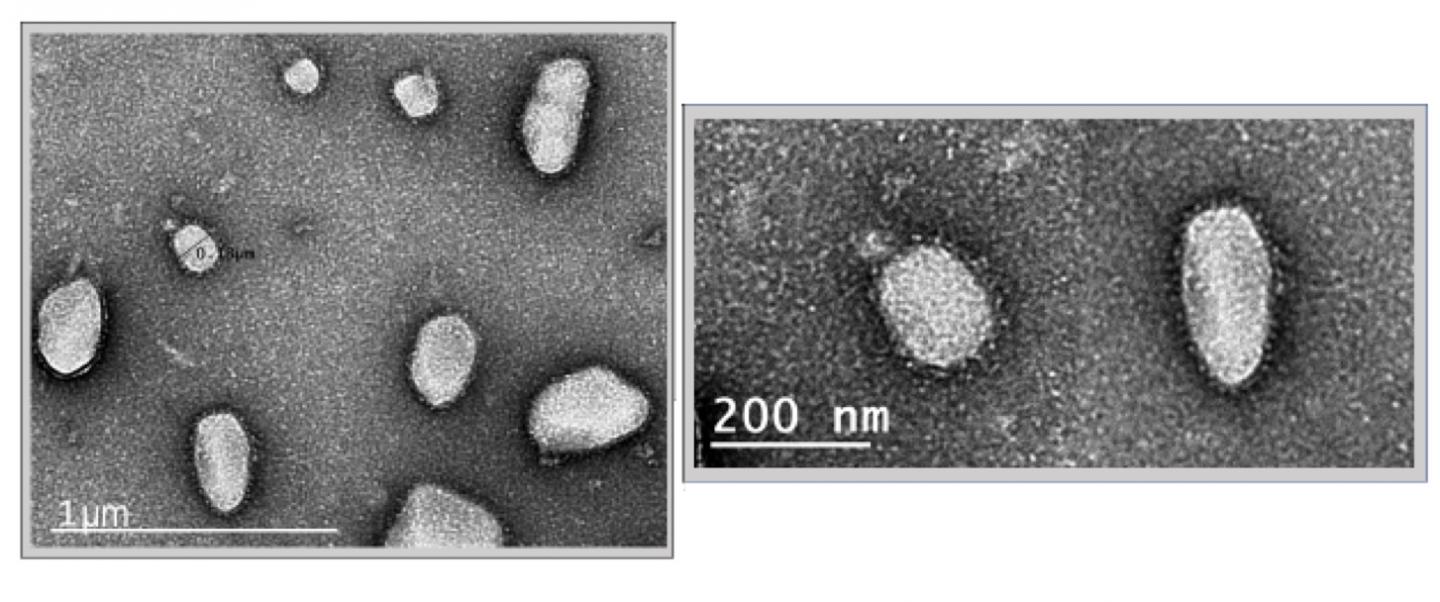
The CUNY School of Medicine at The City College of New York and TechnoVax, Inc., a biotechnology developer of novel vaccines, announce a breakthrough in their collaborative effort to develop a vaccine for COVID-19. Scientists from the two organizations have generated and characterized SARS-CoV-2 virus-like particles (VLPs) which are structural mimics of the native virus in size, morphology and surface composition but devoid of viral, infection causing, genetic material. These features of the VLP platform make it an ideal candidate for COVID-19 vaccine development.

This technology has a proven track record as evidenced by the success of vaccines directed against human papillomavirus virus (HPV) and hepatitis B virus (HepB) which have been proven both highly effective and exceedingly safe in stimulating immune responses. The CV-19 VLPs were assembled in a suspension culture of mammalian cells from both the coronavirus structural elements as well as uniquely modified surface spike molecules specifically designed to ensure stability, abundance, and most importantly the immunogenic properties known to be essential for creation of a highly effective vaccine.

Electron microscopy studies of purified VLPs reveal that there is not only a high frequency of spikes projecting from the surface of the particles, but that the morphology of the structure also resembles that of the native SARS-CoV-2 virus. CCNY researchers Paul Gottlieb and Reza Khayat noted that the stabilized surface spikes are expected to be highly immunogenic.

“This innovation is most likely to accelerate the development of a COVID-19 vaccine in that it utilizes a proven technology that is distinct from current COVID-19 vaccine candidates,” said Jose Galarza, CEO, TechnoVax.

“The CUNY School of Medicine, the newest addition to City College, continues, with this avenue of research, the College’s established tradition of directing our research efforts where they are most needed by society,” said CCNY President Vince Boudreau. “The search for a COVID-19 vaccine is among the most important research efforts of our day and we are proud that researchers working on our campus have turned up such a promising avenue of advancement.”

Overall, CCNY and TechnoVax are committed to the advancement of the development of a safe and effective VLP based COVID-19 vaccine and are entertaining inquiries from potential partners to collaborate on these efforts in order to expedite this work and bring to fruition a successful alternative vaccine solution with great potential for stemming this destructive pandemic.

###

Media Contact
Jay Mwamba
[email protected]

Original Source

https://www.ccny.cuny.edu/news/cuny-med-school-technovax-report-covid-19-vaccine-breakthrough

Tags: BiochemistryInfectious/Emerging DiseasesMedicine/HealthPharmaceutical ChemistryPharmaceutical SciencePhysiologyPublic HealthVaccines
Share12Tweet8Share2ShareShareShare2

Related Posts

Neg-Entropy: The Key Therapeutic Target for Chronic Diseases

February 7, 2026

Multidisciplinary Evidence-Based Guidelines for Therapeutic Drug Monitoring of Biologics in Inflammatory Bowel Disease

February 7, 2026

Early Tuberculosis Treatment Lowers Sepsis Mortality in People with HIV

February 7, 2026

Structure-Guided Development of Picomolar Macrocyclic Inhibitors Targeting TRPC5 Channels with Antidepressant Effects

February 7, 2026
Please login to join discussion

POPULAR NEWS

  • Robotic Ureteral Reconstruction: A Novel Approach

    Robotic Ureteral Reconstruction: A Novel Approach

    82 shares
    Share 33 Tweet 21
  • Digital Privacy: Health Data Control in Incarceration

    63 shares
    Share 25 Tweet 16
  • Study Reveals Lipid Accumulation in ME/CFS Cells

    57 shares
    Share 23 Tweet 14
  • Breakthrough in RNA Research Accelerates Medical Innovations Timeline

    53 shares
    Share 21 Tweet 13

About

We bring you the latest biotechnology news from best research centers and universities around the world. Check our website.

Follow us

Recent News

Neg-Entropy: The Key Therapeutic Target for Chronic Diseases

Multidisciplinary Evidence-Based Guidelines for Therapeutic Drug Monitoring of Biologics in Inflammatory Bowel Disease

Early Tuberculosis Treatment Lowers Sepsis Mortality in People with HIV

Subscribe to Blog via Email

Enter your email address to subscribe to this blog and receive notifications of new posts by email.

Join 73 other subscribers
  • Contact Us

Bioengineer.org © Copyright 2023 All Rights Reserved.

Welcome Back!

Login to your account below

Forgotten Password?

Retrieve your password

Please enter your username or email address to reset your password.

Log In
No Result
View All Result
  • Homepages
    • Home Page 1
    • Home Page 2
  • News
  • National
  • Business
  • Health
  • Lifestyle
  • Science

Bioengineer.org © Copyright 2023 All Rights Reserved.


