• HOME
  • NEWS
  • EXPLORE
    • CAREER
      • Companies
      • Jobs
    • EVENTS
    • iGEM
      • News
      • Team
    • PHOTOS
    • VIDEO
    • WIKI
  • BLOG
  • COMMUNITY
    • FACEBOOK
    • INSTAGRAM
    • TWITTER
Thursday, January 15, 2026
BIOENGINEER.ORG
No Result
View All Result
  • Login
  • HOME
  • NEWS
  • EXPLORE
    • CAREER
      • Companies
      • Jobs
        • Lecturer
        • PhD Studentship
        • Postdoc
        • Research Assistant
    • EVENTS
    • iGEM
      • News
      • Team
    • PHOTOS
    • VIDEO
    • WIKI
  • BLOG
  • COMMUNITY
    • FACEBOOK
    • INSTAGRAM
    • TWITTER
  • HOME
  • NEWS
  • EXPLORE
    • CAREER
      • Companies
      • Jobs
        • Lecturer
        • PhD Studentship
        • Postdoc
        • Research Assistant
    • EVENTS
    • iGEM
      • News
      • Team
    • PHOTOS
    • VIDEO
    • WIKI
  • BLOG
  • COMMUNITY
    • FACEBOOK
    • INSTAGRAM
    • TWITTER
No Result
View All Result
Bioengineer.org
No Result
View All Result
Home NEWS Science News Biology

Counting the uncounted

Bioengineer by Bioengineer
June 6, 2019
in Biology
Reading Time: 1 min read
0
IMAGE
Share on FacebookShare on TwitterShare on LinkedinShare on RedditShare on Telegram

IMAGE

Credit: WCS

Though abundance is a fundamental measure in ecology and environmental management, detecting all individuals in a population is usually impossible when monitoring, so estimates of abundance must account for imperfect detection.

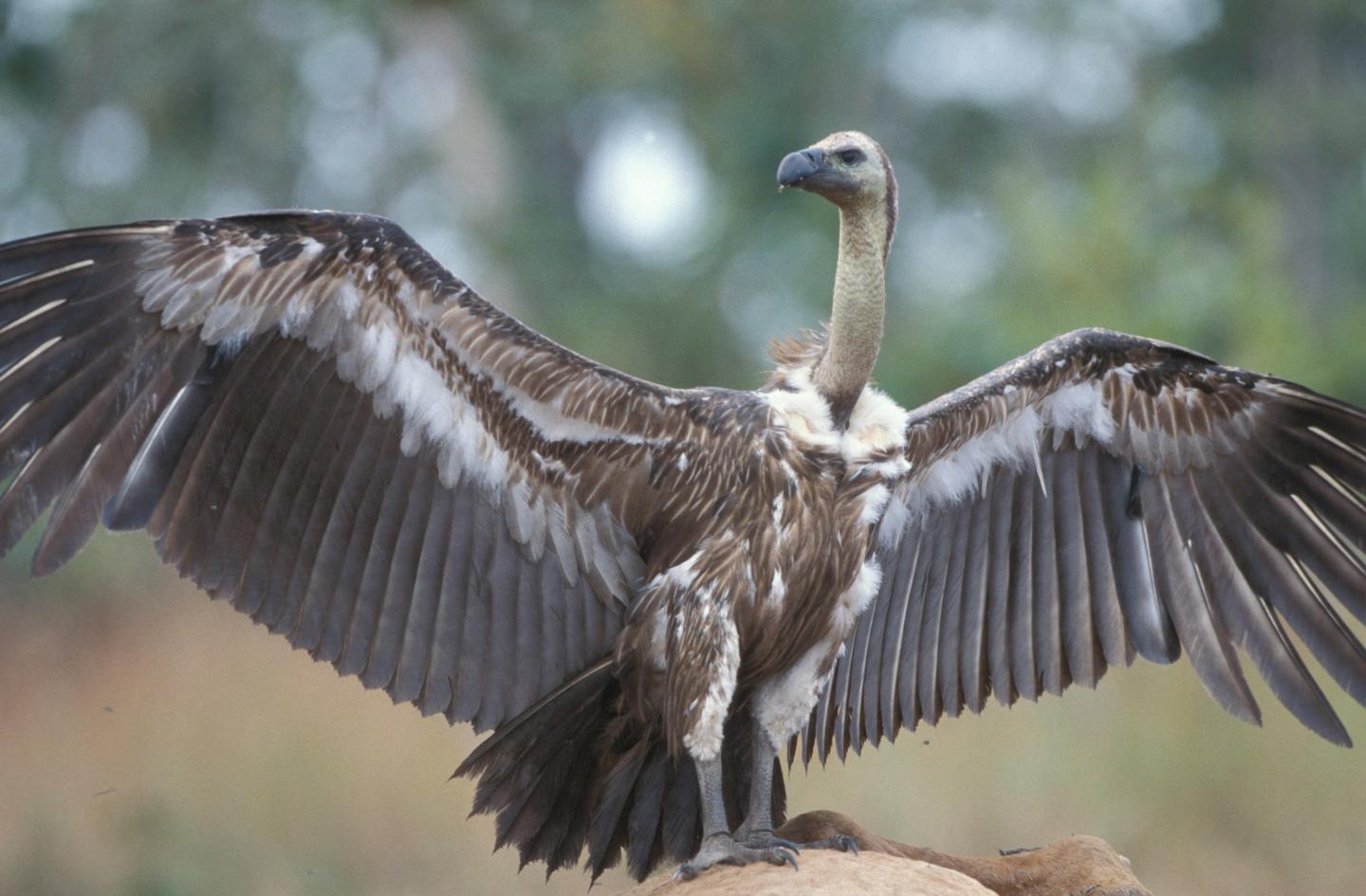
Researchers developed the first method designed specifically to estimate population abundance from simultaneous counts of unmarked individuals over multiple sites, testing the methodology on three species of critically endangered vulture species in Cambodia.

They found that the new approach works best when existing methods are expected to perform poorly (few sites, large variation in abundance among sites), and when individuals may move among sites between sampling; and they believe the approach will be useful in particular for simultaneous surveys at aggregation sites, such as roosts.

###

Media Contact
Stephen Sautner
[email protected]

Original Source

https://newsroom.wcs.org/WCS-3-Sentence-Science.aspx

Related Journal Article

http://dx.doi.org/10.1111/cobi.13261

Tags: BiodiversityBiologyClimate ChangeEcology/EnvironmentZoology/Veterinary Science
Share13Tweet8Share2ShareShareShare2

Related Posts

blank

Histological Changes During Fish Sex Change Unveiled

January 15, 2026
blank

Cold Stress: RNA Expression and Regulatory Network Insights in Pigs

January 15, 2026

Sporobolus ioclados: Survival Strategies in Desert Ecosystems

January 15, 2026

Mitochondrial Insights into Phrynocephalus Guttatus Evolution

January 15, 2026
Please login to join discussion

POPULAR NEWS

  • Enhancing Spiritual Care Education in Nursing Programs

    155 shares
    Share 62 Tweet 39
  • PTSD, Depression, Anxiety in Childhood Cancer Survivors, Parents

    147 shares
    Share 59 Tweet 37
  • Robotic Ureteral Reconstruction: A Novel Approach

    75 shares
    Share 30 Tweet 19
  • Study Reveals Lipid Accumulation in ME/CFS Cells

    53 shares
    Share 21 Tweet 13

About

We bring you the latest biotechnology news from best research centers and universities around the world. Check our website.

Follow us

Recent News

New Genes and Factors Linked to Colorectal Cancer

Microbiota Drives T Cell Plasticity, Tumor Control

Exploring Callistemon Fruit Extracts’ Cancer-Fighting Abilities

Subscribe to Blog via Email

Enter your email address to subscribe to this blog and receive notifications of new posts by email.

Join 71 other subscribers
  • Contact Us

Bioengineer.org © Copyright 2023 All Rights Reserved.

Welcome Back!

Login to your account below

Forgotten Password?

Retrieve your password

Please enter your username or email address to reset your password.

Log In
No Result
View All Result
  • Homepages
    • Home Page 1
    • Home Page 2
  • News
  • National
  • Business
  • Health
  • Lifestyle
  • Science

Bioengineer.org © Copyright 2023 All Rights Reserved.