• HOME
  • NEWS
  • EXPLORE
    • CAREER
      • Companies
      • Jobs
    • EVENTS
    • iGEM
      • News
      • Team
    • PHOTOS
    • VIDEO
    • WIKI
  • BLOG
  • COMMUNITY
    • FACEBOOK
    • INSTAGRAM
    • TWITTER
Thursday, June 25, 2026
BIOENGINEER.ORG
No Result
View All Result
  • Login
  • HOME
  • NEWS
  • EXPLORE
    • CAREER
      • Companies
      • Jobs
        • Lecturer
        • PhD Studentship
        • Postdoc
        • Research Assistant
    • EVENTS
    • iGEM
      • News
      • Team
    • PHOTOS
    • VIDEO
    • WIKI
  • BLOG
  • COMMUNITY
    • FACEBOOK
    • INSTAGRAM
    • TWITTER
  • HOME
  • NEWS
  • EXPLORE
    • CAREER
      • Companies
      • Jobs
        • Lecturer
        • PhD Studentship
        • Postdoc
        • Research Assistant
    • EVENTS
    • iGEM
      • News
      • Team
    • PHOTOS
    • VIDEO
    • WIKI
  • BLOG
  • COMMUNITY
    • FACEBOOK
    • INSTAGRAM
    • TWITTER
No Result
View All Result
Bioengineer.org
No Result
View All Result
Home NEWS Science News Health

Could inhibiting the DPP4 enzyme help treat coronavirus?

Bioengineer by Bioengineer
April 13, 2020
in Health
Reading Time: 2 mins read
0
IMAGE
Share on FacebookShare on TwitterShare on LinkedinShare on RedditShare on Telegram

IMAGE

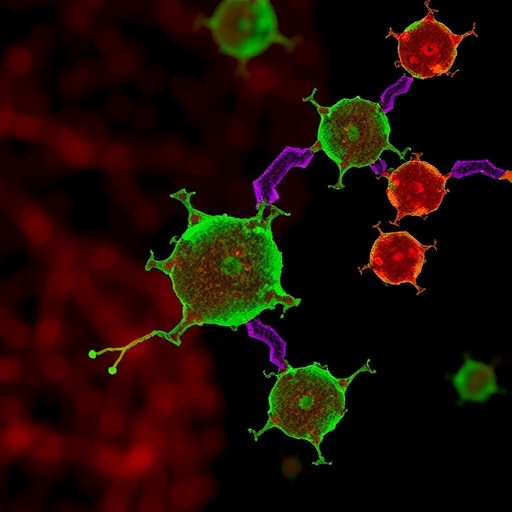
Credit: Dr. Gianluca Iacobellis

Researchers and clinicians are scrambling to find ways to combat COVID-19, including new therapeutics and eventually a vaccine. In a commentary published in the journal Diabetes Research and Clinical Practice, Miller School of Medicine professor and endocrinologist Gianluca Iacobellis, M.D., Ph.D., suggests the DPP4 enzyme presents an interesting target for further research, and DPP4 inhibitors could help some COVID-19 patients.

“We potentially have a mechanism for how the virus is getting into the body,” said Dr. Iacobellis. “And we potentially have a way we can partially inhibit that mechanism. We should consider clinical trials for DPP4 for patients who have mild or moderate COVID-19 with type 2 diabetes.”

DPP4 is found throughout the body, but its activity is only partially understood. The enzyme does play significant roles in inflammatory responses and insulin regulation. DPP4 inhibitors increase insulin and GLP-1 secretion and are commonly prescribed for people suffering from type 2 diabetes.

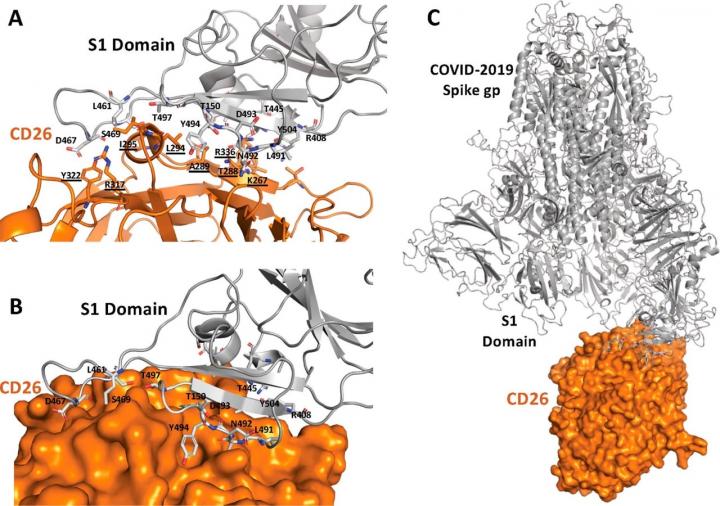
In the current crisis, type 2 diabetes patients are at much higher risk. Data from Wuhan and Italy have shown they have higher mortality and higher ICU admission rates. Building on previous research, conducted on earlier coronaviruses, as well as a recent paper that demonstrates DPP4 interaction with COVID-19, Dr. Iacobellis believes the enzyme may play a significant role in these outcomes by interfering with the immune response.

“The body is overreacting with this inflammatory response to the virus,” said Dr. Iacobellis. “This could be partially mediated by DPP4. The virus binds to the enzyme and the enzymatic activity of DPP4 overexpresses inflammatory cytokines, exaggerating the inflammatory response. Previous studies, of SARS and MERS, showed that, if you blocked DPP4 activity, there was a reduction in the inflammatory response. This could ameliorate the immune response to the virus.”

Dr. Iacobellis notes that clinicians will need more data before embracing DPP4 inhibitors to treat COVID-19 patients. However, he also points out that early evidence has shown these drugs reduce inflammation. He believes the enzyme’s potential role in a COVID-19 therapeutic regimen certainly deserves further study.

“Starting with diabetes patients, we should be conducting randomized studies to test whether treating those with mild or moderate symptoms improves outcomes,” said Dr. Iacobellis. “These drugs are well tolerated and may provide therapeutic benefit.”

###

Media Contact
Joanna Palmer
[email protected]

Original Source

https://physician-news.umiamihealth.org/could-inhibiting-the-dpp4-enzyme-help-treat-coronavirus/

Tags: EndocrinologyInfectious/Emerging DiseasesMedicine/Health
Share12Tweet8Share2ShareShareShare2

Related Posts

Chiral Laser Gyroscopes Surpass Lock-In Limit

June 25, 2026

Boosting Genomic Equity: Africa’s National Genome Projects

June 25, 2026

Landmark UCLA Health Study Reveals Successful One-Year Outcomes After First-Ever Bladder Transplant

June 25, 2026

GW250114 Uncovers Post-Merger Black Hole Clues

June 25, 2026
Please login to join discussion

POPULAR NEWS

  • Saying Goodbye to PGY-6: Pediatric Fellowship Realities

    103 shares
    Share 41 Tweet 26
  • Multi-Hospital Study Reveals Long Covid Burden Is Twice as High as Current Estimates

    92 shares
    Share 36 Tweet 23
  • Detection of EDCs in Breast Milk and Infant Urine Up to Six Months Highlights Early Exposure Risks

    77 shares
    Share 31 Tweet 19
  • New Drug Candidate Developed at McMaster Shows Potential for Treating Brain Cancer

    58 shares
    Share 23 Tweet 15

About

We bring you the latest biotechnology news from best research centers and universities around the world. Check our website.

Follow us

Recent News

Energy-Saving Membrane Technology Developed by KAIST and Georgia Tech Enables Crude Oil Separation Without Boiling

Cracking the Code: How Cancer Evades Antibody-Drug Conjugates and New Strategies to Overcome Resistance

Chiral Laser Gyroscopes Surpass Lock-In Limit

Subscribe to Blog via Email

Enter your email address to subscribe to this blog and receive notifications of new posts by email.

Join 82 other subscribers
  • Contact Us

Bioengineer.org © Copyright 2023 All Rights Reserved.

Welcome Back!

Login to your account below

Forgotten Password?

Retrieve your password

Please enter your username or email address to reset your password.

Log In
No Result
View All Result
  • Homepages
    • Home Page 1
    • Home Page 2
  • News
  • National
  • Business
  • Health
  • Lifestyle
  • Science

Bioengineer.org © Copyright 2023 All Rights Reserved.