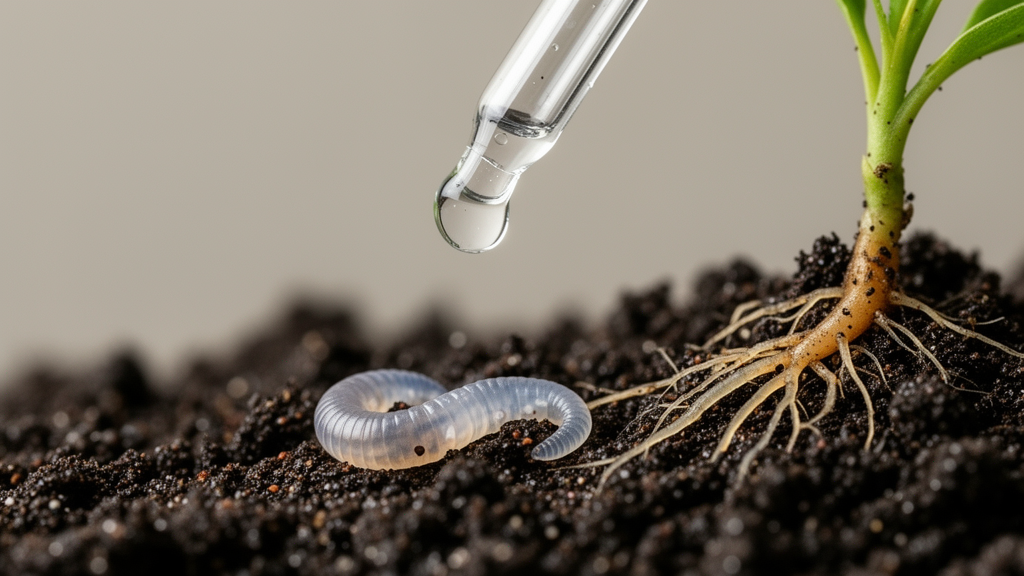
A study combining comparative sequence analysis, molecular modelling and experiments on infected potato plants reports that ivermectin formed computationally predicted stable complexes with β-tubulin proteins from several plant-parasitic nematodes and protected potato under experimental nematode infestation. The research, summarized in the available abstract, does not directly demonstrate ivermectin binding to the protein in nematodes; instead, it identifies β-tubulin as a candidate target that requires further experimental validation.
The researchers first analysed β-tubulin sequences and found that plant-parasitic nematodes had a high degree of conservation, with an average sequence identity of 91%. The taxane-binding site was particularly conserved, whereas potato β-tubulin showed significant divergence. Molecular docking and molecular dynamics simulations then predicted that ivermectin could form stable complexes with β-tubulin from multiple plant-parasitic nematodes. Predicted binding energies ranged from −6.01 to −17.83 kcal mol−1, compared with −3.77 kcal mol−1 for potato β-tubulin. These values are model estimates rather than measurements of binding affinity.
The simulations indicated that interactions involving ivermectin’s benzofuran and macrocyclic regions contributed to complex stability, while its disaccharide moiety adversely affected stability. The authors described β-tubulin as a highly conserved and potentially functionally significant target of ivermectin in plant-parasitic nematodes. They also proposed that the identified binding groups could inform rational design and virtual screening of compounds intended to target nematode β-tubulin, although the abstract does not report testing of any newly designed compound.
In vivo experiments found a protective effect when ivermectin was applied at concentrations of 10–50 μg.mL−1 to potato plants under nematode co-infestation. The treatment was associated with significantly reduced cyst, egg and larval counts and with mitigation of the negative effects of nematodes on potato growth and development. The supplied evidence does not identify the nematode species, experimental setting, number of plants, replication, statistical estimates or potential environmental consequences, so the scope and reproducibility of the protective effect cannot be assessed from the abstract alone. Overall, the results support further experimental testing of β-tubulin as an ivermectin target and its potential use in protecting potato from plant-parasitic nematodes, while the direct molecular target remains computationally predicted rather than conclusively demonstrated.
Subject of Research: Computational and experimental assessment of ivermectin targeting β-tubulin in plant-parasitic nematodes affecting potato.
Article Title: Conserved β-tubulin as a target of ivermectin in plant-parasitic nematodes: molecular modelling and experimental protection of potato
Article References: Kustovskiy, Y., Buziashvili, A., Karpov, P., Bondar, T., Blume, Y., & Yemets, A. (2026). Conserved β-tubulin as a target of ivermectin in plant-parasitic nematodes: molecular modelling and experimental protection of potato. BMC Plant Biology. https://doi.org/10.1186/s12870-026-10022-w
Image Credits: AI Generated
DOI: 10.1186/s12870-026-10022-w
Keywords: ivermectin, β-tubulin, plant-parasitic nematodes, potato, molecular docking, molecular dynamics, nematicide, crop protection, sequence conservation, Conserved, tubulin, target
News Source: Alan Morgan. (October 20, 2026). Conserved β-tubulin as a target of ivermectin in plant-parasitic nematodes: molecular modelling and experimental protection of potato. Scienmag.