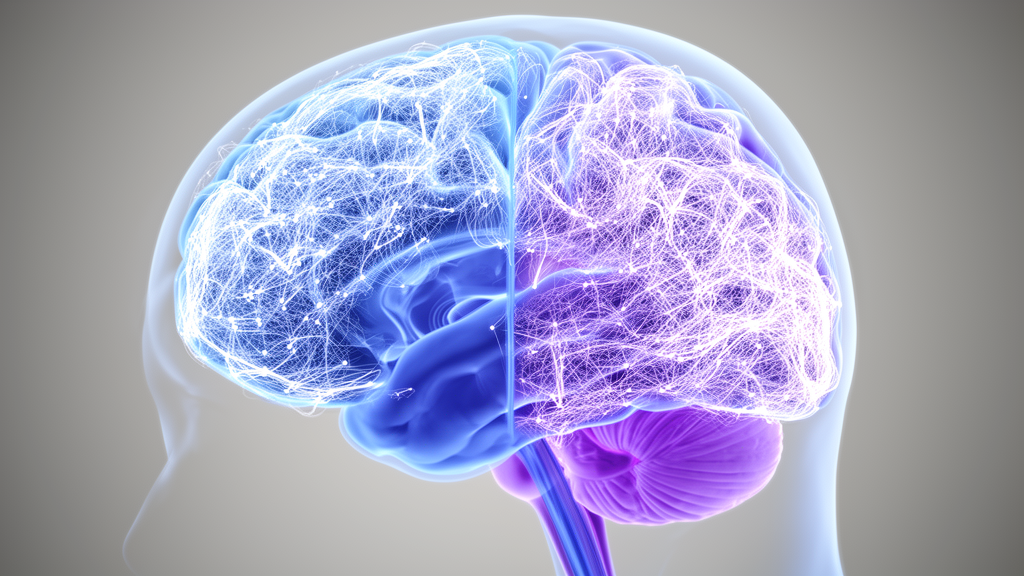
A newly developed machine learning framework can identify functional features of the human brain linked to Alzheimer’s disease before individuals begin to experience measurable memory loss, according to research conducted by Kanhao Zhao and colleagues. The computational system, designated the Alzheimer’s Resilience-Vulnerability Connectome (ARC), utilizes functional neuroimaging to determine where an individual’s brain function lies along an expanded continuum of cognitive aging. Traditional investigative efforts have conventionally compared patients diagnosed with Alzheimer’s disease against cognitively unimpaired older adults. In contrast, the approach designed by Zhao and colleagues establishes an alternative benchmark by comparing Alzheimer’s disease patients directly with SuperAgers—individuals who preserve exceptionally sharp cognitive abilities well into late life. By incorporating this group, the researchers set what they describe as a more accurate endpoint on the spectrum of cognitive aging possibilities.
Scientific research has linked the clinical onset of Alzheimer’s disease to the accumulation of amyloid-β and tau proteins, alongside established genetic risk factors. Concurrently, researchers have identified the rare cohort of SuperAgers, whose memory and cognitive capacities remain undiminished despite advancing age. In formulating their study, Zhao and colleagues sought to examine how the brains of these distinct cohorts differ in their underlying functional organization. Specifically, the authors asked whether characterizing these previously unexplored differences could allow scientists to detect Alzheimer’s disease prior to the emergence of outward clinical symptoms. To address these questions, the team developed the ARC framework to evaluate patterns of resilience and vulnerability directly from neuroimaging data.
To build and evaluate the ARC model, the investigators analyzed resting-state functional magnetic resonance imaging (fMRI) data gathered from 180 SuperAgers and 110 patients who had already received a diagnosis of Alzheimer’s disease. Every individual included in this foundational dataset was at least 75 years old. Following initial training and evaluation, the researchers tested whether the connectome framework could maintain its accuracy when confronted with new participants. They demonstrated that the computational model successfully generalized to an independent replication cohort of 143 individuals, confirming that the identified functional connectivity signatures represented consistent features of vulnerability and resilience.
Zhao and colleagues subsequently applied ARC to examine resting-state fMRI scans from 818 individuals in a separate, slightly younger cohort who showed no signs of cognitive impairment. None of the participants within this group had been classified as SuperAgers. By measuring relevant features of brain function across the neural connectome, ARC successfully identified where each participant stood on the continuum between SuperAger status and an Alzheimer’s diagnosis. The investigative team confirmed the reliability of these measurements by testing the model in an additional independent cohort of 497 people, where ARC demonstrated similar analytical performance.
Longitudinal tracking over extended follow-up windows revealed that an individual’s placement on this functional continuum carried substantial prognostic significance. Depending on the data available across the study cohorts, participants were monitored over periods ranging between 5 and 15 years. The researchers observed that individuals whose baseline brain function patterns more closely resembled those of Alzheimer’s disease exhibited faster cognitive decline over time. In addition to sharper cognitive deterioration, these individuals demonstrated greater accumulation of amyloid-β and faced a higher likelihood of progressing to clinical Alzheimer’s disease compared to participants displaying resilient patterns.
The findings illustrate how machine learning analysis of resting-state functional connectomes can capture early neurodegenerative changes that precede overt clinical impairment. As Kanhao Zhao and colleagues write, “These findings support the potential utility of [the tool] for early risk stratification among cognitively unimpaired older adults.” By identifying vulnerable brain function patterns years before symptoms appear, the ARC framework provides an objective approach to assess long-term cognitive trajectories along the continuum connecting healthy aging to neurodegenerative decline.
Subject of Research: Brain functional connectome modeling for early Alzheimer's disease risk stratification
Article Title: New method can determine where people’s brains lie on the SuperAger to Alzheimer’s continuum
Article References: New method can determine where people’s brains lie on the SuperAger to Alzheimer’s continuum. Original publication (Bibliographic details unavailable.)
Image Credits: AI Generated
DOI: Not provided
Keywords: Alzheimer's disease, SuperAgers, functional MRI, connectome, machine learning, cognitive decline, amyloid-beta, neuroimaging, method, determine, people, brains
News Source: Cassandra Pierce. (November 13, 2026). Connectome Framework Maps Brain Function Across SuperAger to Alzheimer’s Disease Spectrum. Scienmag.