A new in silico study has investigated the potential molecular mechanisms through which a bromelain-digested casein peptide pool (BDCPP) exerts neuroprotective effects. Previous experimental research has demonstrated that BDCPP can alleviate behavioral and neurobiological alterations induced by chronic stress in rat models, yet the precise molecular pathways responsible for these benefits remained poorly understood. Researchers employed an integrated computational approach to screen peptides generated from simulated bromelain digestion of casein for safety, gastrointestinal stability, and favorable physicochemical properties.
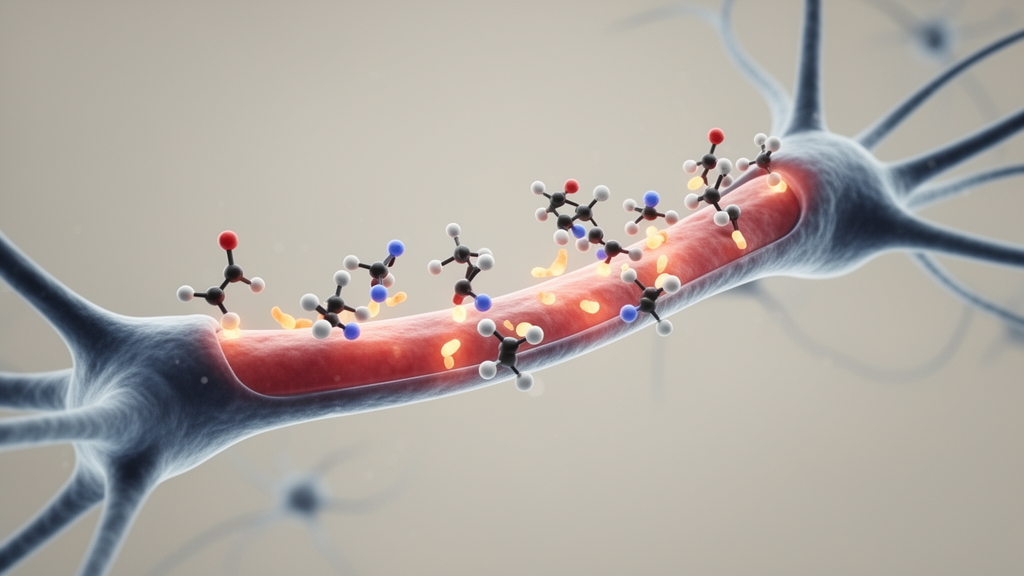
The study identified 11 peptides within the pool that exhibited promising characteristics for biological activity. From this group, two specific peptides—β-casein-P2 and κ-casein-P19—were selected for further investigation using molecular docking and molecular dynamics analyses. These techniques allowed the researchers to examine the potential interactions between these food-derived peptides and specific proteins implicated in neuroinflammation, glutamatergic signaling, and communication along the gut-brain axis.
Molecular docking results revealed that both selected peptides formed strong and stable interactions with dipeptidyl peptidase-4 (DPP4) and glutamate carboxypeptidase II (GCPII). Furthermore, molecular dynamics simulations indicated that these peptide-receptor complexes maintained stability throughout the observation period. These findings suggest that the interaction with DPP4 and GCPII may be a key molecular basis for the cognitive and neurobiological benefits previously observed in animal studies involving BDCPP.
The researchers noted that multiple peptides within the BDCPP pool displayed similar predicted biological activities. This suggests that the observed effects of BDCPP are likely mediated by the collective, synergistic action of various bioactive peptides rather than the influence of a single dominant component. By analyzing these complex molecular interactions, the study provides a hypothesis-generating framework for understanding how food-derived compounds might influence neurological health.
While these computational findings offer a potential explanation for existing experimental data, the study authors emphasize that these results should be viewed as preliminary. The computational predictions require further experimental validation to confirm the clinical implications and the precise mechanisms in living systems. This research contributes to the growing understanding of the gut-brain axis and the potential for functional food ingredients to support neuroprotection.
Future research will be necessary to transition from these computational models to laboratory and clinical settings. By identifying specific pathways such as glutamatergic signaling and neuroinflammation modulation, this study provides a targeted direction for evaluating how dietary peptide pools like BDCPP can be utilized to support brain health. The findings underscore the importance of integrating computational screening with experimental validation in the development of natural neuroprotective ingredients.
Subject of Research: Neuroprotective mechanisms of bromelain-digested casein peptides
Article Title: Bromelain-digested casein peptide pool (BDCPP) as a natural neuroprotective compound: an in silico study to explain its mechanism of action
Article References: Mohamadi Yarijani, Z., Raise-Abdullahi, P., Shahbazi, B., Madanchi, H., & Rashidy-Pour, A. (2026). Bromelain-digested casein peptide pool (BDCPP) as a natural neuroprotective compound: an in silico study to explain its mechanism of action. Amino Acids. https://doi.org/10.1007/s00726-026-03572-8
Image Credits: AI Generated
DOI: 10.1007/s00726-026-03572-8
Keywords: neuroprotection, BDCPP, casein peptides, in silico study, molecular docking, molecular dynamics, DPP4, GCPII, gut-brain axis, neuroinflammation, glutamatergic signaling, food-derived compounds, bioactive peptides, bromelain digestion, computational biology
News Source: Cassandra Pierce. (November 16, 2026). Computational Study Identifies Potential Neuroprotective Mechanism of Bromelain-Digested Casein Peptides. Scienmag.