Viral infections remain among the most persistent threats to global healthcare systems, driven by high mutation rates, rapid replication kinetics, and the ongoing emergence of drug-resistant strains across diverse pathogen families. In a comprehensive review published in Frontiers in Virology, researchers evaluate the paradigm shift from the traditional one drug, one target model to multi-target antiviral therapeutics designed to simultaneously suppress multiple viral and cellular pathways. The historical model of antiviral pharmacology, which focuses on designing high-affinity single molecules against individual viral enzymes such as reverse transcriptase, neuraminidase, or protease, frequently encounters clinical failure when RNA viruses develop target-site escape mutations. In chronic infections caused by human immunodeficiency virus and hepatitis C virus, as well as acute respiratory infections caused by influenza viruses and SARS-CoV-2, monotherapies regularly lose efficacy over time. While clinical combination therapies have addressed this vulnerability by deploying cocktails of distinct drugs, multi-drug regimens introduce considerable clinical complications, including severe drug-drug interactions, high pill burdens, cumulative host toxicities, escalating healthcare costs, and suboptimal patient adherence that inadvertently fosters resistance.
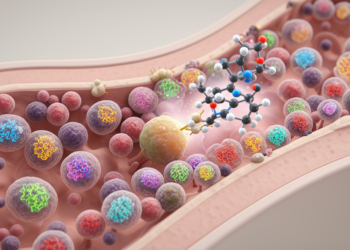
Multi-target antiviral agents represent a distinct pharmacology that aims to overcome the operational constraints of multi-drug combination regimens by integrating multiple inhibitory mechanisms into unified therapeutic frameworks. As detailed in the academic analysis, these multi-target agents are engineered to simultaneously modulate two or more distinct biological targets operating within the viral replicative cycle or within essential host-pathway networks. In single-molecule configurations, a compound may engage viral enzymes such as proteases, polymerases, integrases, or helicases, while concurrently disrupting host factors such as regulatory kinases, transport proteins, or chaperone proteins. Because viral propagation is not governed by isolated biochemical reactions but rather exploits interconnected cellular and viral pathways across viral entry, genome replication, protein processing, and virion assembly, partial disruption of a single node often permits the virus to escape through alternative cellular networks. By executing coordinated inhibition across multiple biological mechanisms, multi-target therapeutics establish a substantially higher genetic barrier to resistance, requiring a replicating virus to acquire multiple simultaneous mutations within distinct binding interfaces to escape pharmacological pressure.
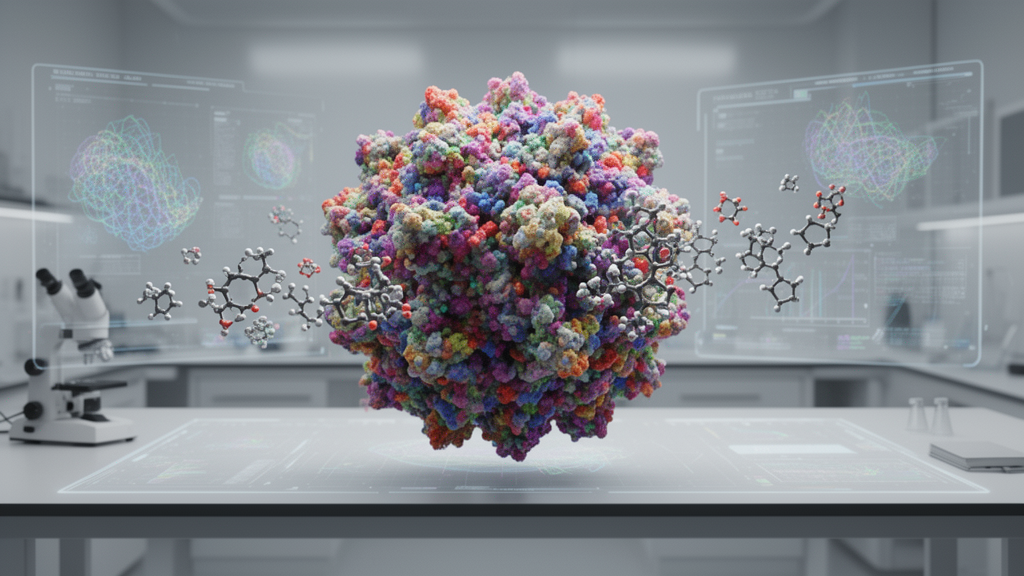
To accelerate the identification of these structurally complex molecules, researchers are increasingly coupling medicinal chemistry with advanced computational drug discovery workflows, spanning structure-based and ligand-based molecular design. Structure-based drug design relies heavily on atomic-level structural data obtained through X-ray crystallography, cryo-electron microscopy, and nuclear magnetic resonance spectroscopy to characterize active pockets, binding sites, and conformational transitions within target viral proteins and host machinery. This spatial mapping allows investigators to compare catalytic architectures across multiple distinct proteins and identify conserved structural features that enable a single chemical scaffold to bind several enzymes. Conversely, ligand-based approaches examine the chemical properties, charge distributions, aromatic features, and hydrogen-bonding motifs of established active molecules to conduct quantitative structure-activity relationship modeling and scaffold-hopping exercises. Complementing these techniques, pharmacophore modeling defines the spatial arrangement of chemical features necessary for biological activity, allowing researchers to construct merged or hybrid pharmacophores capable of satisfying the distinct structural prerequisites of multiple viral enzymes or host-pathogen interfaces.
The review emphasizes that contemporary drug discovery is undergoing a major technological transformation through the deployment of machine learning algorithms, deep neural networks, and generative artificial intelligence architectures. Traditional virtual screening and molecular docking methods provide rapid, cost-effective initial assessments of binding orientations, electrostatic forces, and steric compatibility across compound libraries, but static docking scores frequently neglect dynamic protein flexibility, solvent thermodynamics, and biological transport. Deep learning architectures, including convolutional neural networks, recurrent neural networks, and graph neural networks, address these limitations by modeling non-linear structural patterns directly from molecular graphs, chemical fingerprints, and omics datasets without requiring manual feature engineering. Furthermore, the emergence of protein structure prediction platforms such as AlphaFold has expedited target characterization by generating highly accurate three-dimensional models of viral proteins directly from raw amino acid sequences, which proved critical for identifying binding pockets and protein-protein interfaces in emerging pathogens during outbreak settings when experimental crystals were unavailable.
Beyond predictive screening, modern computational pipelines incorporate generative artificial intelligence frameworks, such as variational autoencoders, generative adversarial networks, and reinforcement learning engines, to execute de novo molecular generation. Rather than modifying existing antiviral drugs, de novo systems design entirely novel chemical scaffolds optimized to meet multi-parameter therapeutic criteria, including broad-spectrum multi-target potency, acceptable oral bioavailability, chemical solubility, and synthetic accessibility. In multi-target optimization, reinforcement learning algorithms treat chemical structures as iterative states, rewarding molecular modifications that balance multi-target affinity while penalizing predicted cellular cytotoxicity and metabolic instability. Similarly, foundational models trained on broad biomedical datasets and large language models deployed for automated literature mining allow researchers to extract target correlations, construct knowledge graphs, and discover unexpected repurposing opportunities for existing compounds across complex viral families, bypassing traditional empirical trial-and-error discovery stages.
From a synthetic medicinal chemistry perspective, realizing multi-target antiviral efficacy demands intricate molecular engineering strategies, primarily centered on hybrid pharmacophore design, molecular conjugation, and scaffold fusion. In hybrid pharmacophore design, pharmacologically active pharmacophores from two distinct drug classes, such as a nucleoside polymerase inhibitor and a viral protease inhibitor, are integrated into a single molecular entity through rational chemical linkages. The chemical properties of the bridging linker, including its steric bulk, length, polarity, and conformational rigidity, dictate whether the linked pharmacophores can productively engage distinct enzymatic binding sites without prohibitive entropic losses or severe solubility penalties. Conjugation strategies utilize cleavable or stable covalent bonds, such as ester, amide, carbamate, or triazole linkers, to connect distinct active motifs, whereas scaffold fusion merges overlapping structural motifs directly into a single compact ring system. While fusion strategies successfully reduce molecular weight and improve membrane permeability compared to large chemical conjugates, medicinal chemists must continuously optimize lipophilicity, stereochemistry, and polar surface area to avoid rapid metabolic clearance or off-target tissue accumulation.
A critical dimension of multi-target development explored in the review involves the incorporation of host-targeted mechanisms alongside direct-acting antiviral pharmacophores. Because viral life cycles depend entirely on hijacked host machinery for cellular entry, genome transcription, viral protein folding, and viral egress, host-directed agents target host factors that do not mutate under viral replication pressure. Prominent cellular targets highlighted in clinical and preclinical investigations include host kinases such as cyclin-dependent kinase 9, Abelson tyrosine kinases, and Janus kinases, which modulate transcription and post-entry inflammation. For instance, the Janus kinase inhibitor baricitinib exerts dual action by dampening hyper-inflammatory cytokine cascades while simultaneously blocking AP2-associated protein kinase 1 to inhibit clathrin-mediated endocytic entry of SARS-CoV-2. Host molecular chaperones, including heat shock protein 90, heat shock protein 70, and cyclophilin A, are also essential for stabilizing viral polymerases and coordinating viral polyprotein assembly; their inhibition by compounds like geldanamycin derivatives or non-immunosuppressive cyclophilin inhibitors disrupts replication across diverse viral pathogens without inducing direct viral mutation resistance.
Natural product scaffolds have also emerged as foundational templates for poly-pharmacological drug discovery, owing to their intrinsic structural complexity, chemical diversity, and evolutionarily tuned multi-target bioactivities. Unlike rigid synthetic compounds engineered for solitary catalytic pockets, secondary metabolites from plant and marine sources frequently interact with multiple viral and host pathways simultaneously while delivering complementary anti-inflammatory and antioxidant activities. Flavonoids such as quercetin, baicalein, and luteolin demonstrate multi-target inhibitory effects against viral proteases, RNA polymerases, and viral entry factors across influenza, dengue, and coronaviruses, although their clinical application often requires chemical optimization to overcome poor oral absorption and rapid metabolic glucuronidation. Alkaloids such as berberine, cepharanthine, and lycorine disrupt viral nucleic acid synthesis and host signaling networks, while triterpenoids such as glycyrrhizin interfere with viral membrane attachment and modulate innate immune pathways. Marine-derived polysaccharides and lectins, including carrageenan, fucoidan, and griffithsin, provide potent multi-target entry blocking activity by binding viral surface glycoproteins across enveloped viral families.
Despite the notable achievements of computational screening and multi-target synthesis, substantial translational barriers persist between in silico predictions, cell-based evaluations, and clinical therapeutic efficacy. A persistent challenge documented in the review is the elevated frequency of false-positive computational candidates, where compounds displaying outstanding molecular docking scores and artificial intelligence rankings fail to exhibit antiviral suppression in living systems. Simplified docking scoring functions frequently overlook dynamic target conformations, induced-fit interactions, and intracellular compartmentalization. Furthermore, highly active molecules identified in cell cultures often fail in animal models due to unfavorable absorption, distribution, metabolism, excretion, and toxicity profiles, such as excessive plasma protein binding, rapid cytochrome P450 clearance, poor pulmonary or central nervous system distribution, mitochondrial toxicity, or off-target hERG channel cardiotoxicity. Overfitting and dataset biases in public repositories, where data on well-studied viruses like HIV and SARS-CoV-2 far outweigh records for neglected pathogens, further compromise the generalizability of algorithmic predictions when confronted with novel viral targets.
To overcome these translational bottlenecks, the review concludes that the future of antiviral drug development lies in closed-loop ecosystems that seamlessly integrate artificial intelligence workflows with rigorous, multi-tiered experimental validation. Bridging the gap between computational hypothesis generation and clinical pharmacology requires combining active learning algorithms with automated biochemical assays, organ-on-chip platforms, physiological pharmacokinetic and pharmacodynamic modeling, and independent external testing datasets. Moreover, the integration of multi-omics data, including genomics, proteomics, and transcriptomics, with emerging digital twin technology holds significant potential to simulate patient-specific responses, optimize therapeutic dosing intervals, and forecast mutational escape trajectories before clinical implementation. As regulatory frameworks evolve to evaluate machine learning transparency, algorithmic traceability, and multi-target mechanisms of action, the convergence of artificial intelligence, precision medicine, and multi-target medicinal chemistry promises to establish durable, next-generation therapeutics capable of neutralizing rapidly adapting viral threats.
Subject of Research: AI-guided discovery and medicinal chemistry design of multi-target antiviral agents
Article Title: Beyond one drug–one target: AI-guided discovery of multi-target antiviral therapeutics
Article References: Gupta, V., Sharma, S., Abbot, V., Bhatia, R., Choudhary, N., & Kumar, D. (2026). Beyond one drug–one target: AI-guided discovery of multi-target antiviral therapeutics. Frontiers in Virology, 6, Article 1853552. https://doi.org/10.3389/fviro.2026.1853552
Image Credits: AI Generated
DOI: 10.3389/fviro.2026.1853552
Keywords: Multi-target antivirals, Artificial intelligence in drug discovery, Deep learning, Molecular docking, Pharmacophore modeling, Host-targeted antivirals, AlphaFold, Viral resistance, Structure-based drug design, Ligand-based drug design, Network pharmacology, Generative AI, Kinase inhibitors, Chaperone proteins, Hybrid pharmacophores, Broad-spectrum antivirals, Viral mutational escape
News Source: Kristina Jarvis. (November 16, 2026). Computational Frameworks Accelerate Multi-Target Antiviral Discovery Against Rapidly Mutating Viral Pathogens. Scienmag.