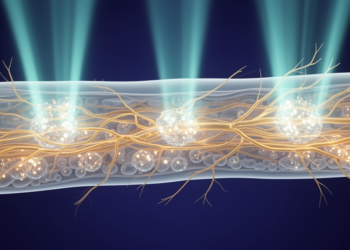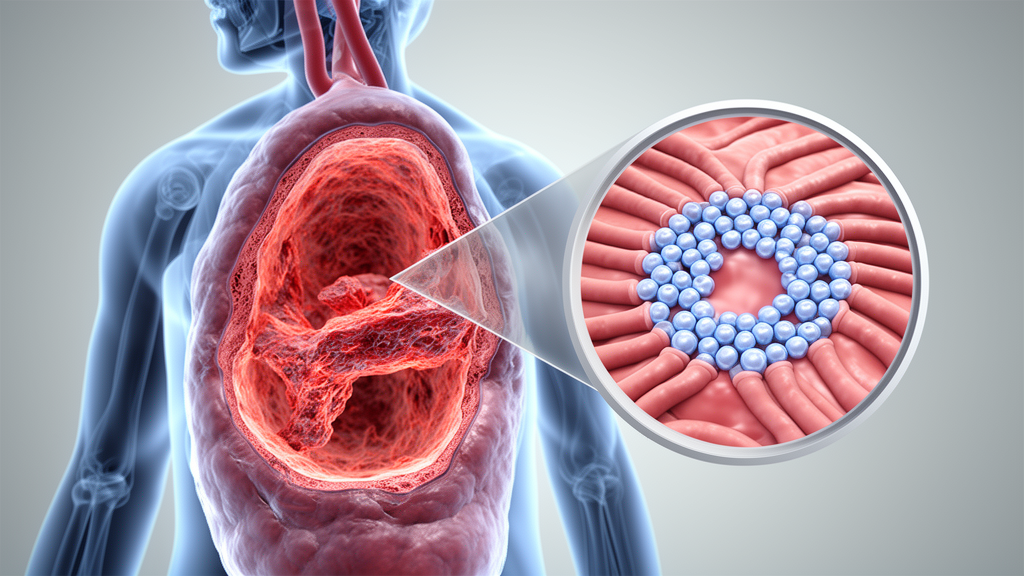
A computational transcriptomic investigation using publicly available human microarray data has revealed the significant downregulation of eight key gap junction proteins in tissue samples from patients with thoracic aortic aneurysms compared to healthy control tissue. Thoracic aortic aneurysms represent a severe and structurally complex vascular pathology traditionally characterized by extensive disruption across all three layers of the aortic wall, with conventional experimental research predominantly emphasizing medial degeneration and elastic fiber degradation. By systematically evaluating raw transcriptomic profiles extracted from the Gene Expression Omnibus repository, researchers demonstrated that the expression of specific intercellular communication channels is markedly suppressed in diseased tissue. The findings provide substantial computational evidence indicating that endothelial and intercellular junctional impairment may play an active mechanistic role in compromising structural integrity, challenging the long-standing paradigm that has focused almost exclusively on smooth muscle cell genetics and extracellular matrix breakdown.
The structural integrity of the human thoracic aorta relies heavily on coordinated architectural interactions between three distinct structural tunics: the inner intima, the middle media, and the outer adventitia. In a healthy vessel, the intima consists of a continuous monolayer of endothelial cells that relies on adherens junctions, tight junctions, gap junctions, and actin-binding proteins to maintain a tight physiological barrier. This cellular barrier regulates vascular permeability and prevents endoleaks into deeper tissue strata while influencing smooth muscle cell differentiation and vascular tone in the tunica media. The investigative team formulated a hypothesis-driven inquiry positing that derangements in gap junction proteins disrupt intimal coherence, initiating an adverse sequence of metabolic, inflammatory, electrical, and proliferative distortions that facilitate aneurysm expansion or dissection. Testing this against the null hypothesis of equivalent expression between pathological and normal specimens allowed the investigators to probe whether intercellular communication failure represents an early or persistent component of aneurysm pathobiology.
To investigate gene expression patterns without introducing the confounding biases of mixed experimental platforms, the study analyzed human microarray dataset GSE26155 retrieved from the PubMed Gene Expression Omnibus. The curated dataset comprised eighty-six total tissue specimens, evenly divided into forty-three pathologically confirmed thoracic aortic aneurysm samples and forty-three non-dilated healthy controls obtained from deceased organ donors during transplantation procedures. Diseased specimens were harvested from dilated aortic segments measuring greater than forty-five millimeters in diameter across ascending, transverse, and descending locations during surgical aortic repair. In contrast, healthy control tissues measured under forty millimeters, exhibiting a mean maximum diameter of thirty-six millimeters in individuals with bicuspid aortic valves and thirty-four point one millimeters in those with tricuspid valves. The aneurysm group demonstrated markedly larger mean dimensions of fifty point three millimeters and fifty-three point six millimeters across bicuspid and tricuspid valve cohorts, respectively, while intermediate borderline tissues between forty and forty-five millimeters were deliberately excluded.
Expression levels were captured across the transcriptome using the Affymetrix Human Exon 1.0 ST Array platform, which provided measurable expression values for seventeen of the twenty-seven recognized human gap junction protein genes, representing a sixty-three percent coverage rate. Quantitative comparative analysis demonstrated statistically significant downregulation in eight specific gap junction genes within aneurysmal aortic tissue relative to healthy controls. These underexpressed genes comprised GJA3, GJA9, GJA10, GJB1, GJC2, GJD2, GJD3, and GJD4. Specifically, GJA3 exhibited an actual median difference of minus zero point zero one three with a false discovery rate Q value below zero point zero zero one, while GJA9 showed an actual median difference of minus zero point zero one five and a Q value below zero point zero zero one. Similarly, GJC2 and GJD3 both demonstrated actual median differences of minus zero point zero one one and minus zero point zero one five, respectively, with significance thresholds below zero point zero zero one.
The remaining downregulated candidates also maintained rigorous statistical thresholds following correction for multiple testing, with GJA10 exhibiting an actual median difference of minus zero point zero two four with a Q value of zero point zero zero three, GJB1 displaying a difference of minus zero point zero one one with a Q value of zero point zero zero nine, GJD2 showing a difference of minus zero point zero two one with a Q value of zero point zero four two, and GJD4 showing a difference of minus zero point zero one two with a Q value of zero point zero zero four. Conversely, nine evaluated genes—GJA4, GJA5, GJB2, GJB3, GJB4, GJB5, GJB6, GJB7, and GJC1—demonstrated no statistically significant differences in expression between pathological aneurysm specimens and healthy aortic controls. For example, GJA4 and GJB3 yielded actual median shifts under zero point zero zero one with respective p-values of zero point eight four four and zero point nine four seven, confirming that transcriptional suppression is restricted to a distinct subset of gap junction proteins.
The analytical protocol adhered to strict statistical standards to ensure data integrity and minimize false discoveries during large-scale bioinformatic processing. Raw gene expression values underwent logarithmic transformation prior to distributional assessment via the D Agostino and Pearson Omnibus normality test. Parametric variables were compared between cohorts utilizing two-tailed unpaired t-tests, whereas non-parametric parameters were evaluated using the Mann-Whitney U test. To control for type I error inflation inherent to genomic comparisons, all p-values were adjusted using the false discovery rate procedure established by Benjamini, Krieger, and Yekutieli, targeting a desired Q statistic of one percent. Statistical calculations and receiver operating characteristic evaluations were conducted using GraphPad Prism version ten point zero point three for Mac, with differences reaching p-values below zero point zero five designated as statistically significant rejections of the primary null hypothesis.
Beyond examining isolated transcriptional differences, the researchers investigated inter-gene co-expression dynamics by constructing comprehensive correlation matrices and deriving mathematical regression models for the eight differentially expressed genes. Significant pairwise associations were quantified using Pearson correlation coefficients for normally distributed metrics and Spearman rank coefficients for non-parametric data, complemented by Deming regression analysis to establish exact functional equations. The strongest observed co-expression emerged between GJD3 and GJD4, which demonstrated a Pearson correlation coefficient of zero point seven five nine with a ninety-five percent confidence interval ranging from zero point six five to zero point eight four. This paired relationship was formally modeled by the Deming equation GJD4 equals zero point nine two two multiplied by GJD3 plus zero point zero one one. Robust linear dependencies were also documented between GJC2 and GJD4, yielding a correlation coefficient of zero point six one five, and between GJA3 and GJD4, generating a coefficient of zero point six zero seven.
To evaluate whether the identified transcriptional changes possess potential diagnostic or prognostic utility, the investigators examined the discrimination and calibration characteristics of each differentially expressed gene. Discrimination, defined as the capacity to differentiate aneurysm patients from healthy donors, was determined by constructing receiver operating characteristic curves and calculating the area under the curve using non-parametric paired tests developed by DeLong. Model performance was stratified into poor, fair, or excellent based on area under the curve thresholds below zero point seven zero, between zero point seven zero and zero point seven nine, or between zero point eight zero and one point zero zero, respectively. Model calibration was assessed through observed-to-expected event ratios alongside the Hosmer-Lemeshow goodness-of-fit test, where p-values greater than zero point zero five confirmed acceptable calibration and absence of significant departures from observed clinical distributions.
Four of the eight downregulated genes met the formal criteria for fair discrimination and demonstrated adequate calibration in predicting thoracic aortic aneurysm status. GJC2 exhibited the highest discriminatory capacity among the candidates, achieving an area under the curve of zero point seven seven with a ninety-five percent confidence interval of zero point six seven to zero point eight seven, a p-value below zero point zero zero one, and a Hosmer-Lemeshow goodness-of-fit p-value of zero point two zero eight. GJD3 achieved an area under the curve of zero point seven three with a confidence interval of zero point six two to zero point eight four, an identical significance level below zero point zero zero one, and an acceptable Hosmer-Lemeshow p-value of zero point one three zero. GJA3 and GJA9 yielded discrimination values of zero point seven one and zero point seven zero, accompanied by Hosmer-Lemeshow statistics of zero point one four four and zero point one three two, respectively, validating their statistical robustness as candidate disease markers.
To contextualize the molecular environment surrounding these altered proteins, the investigators mapped a comprehensive interactome network using the GeneMANIA bioinformatic platform, integrating functional annotations from the GeneCards human genome database. This computational construction identified twenty-seven directly interacting proteins within Homo sapiens networks, highlighting extensive functional interdependence among the downregulated gap junction channels and neighboring structural partners. Subsequent gene set enrichment analysis was performed across the Enrichr environment, utilizing STRING and DSigDB libraries to delineate biological functions according to Gene Ontology categories. The primary enriched biological processes encompassed gap junction assembly, generalized cell-cell junction assembly, atrioventricular node cell to bundle of His cell communication, and the regulation of cell communication by electrical coupling involved in cardiac conduction, each registering adjusted p-values ranging from below zero point zero zero one to zero point zero zero six.
The enrichment analysis further interrogated upstream post-transcriptional regulatory mechanisms by interfacing with miRTarBase, a curated repository housing more than three hundred and sixty thousand experimentally validated microRNA-target interactions. This evaluation identified five prominent regulatory microRNA families significantly associated with the differentially expressed gap junction network: hsa-miR-5001-3p with an adjusted p-value of zero point zero zero two, hsa-miR-942-5p with zero point zero zero three, hsa-miR-7113-3p with zero point zero zero three, hsa-miR-6867-3p with zero point zero zero three, and hsa-miR-4685-3p with zero point zero zero five. While hsa-miR-942-5p has been previously documented in literature concerning pulmonary hypertension and coronary artery disease, this bioinformatic identification marks the first reported observation connecting these specific microRNA families to the molecular framework of thoracic aortic aneurysm pathogenesis.
The investigators outlined several key technical and methodological limitations that define the interpretive boundaries of their findings. Although the single-dataset design minimized technical variability across tissue processing protocols and exon array platforms, the total cohort size of eighty-six samples precluded multivariable statistical modeling and limited deep stratification based on independent patient-level phenotypes. Furthermore, while the study originally sought to contrast gene expression profiles between aneurysms with active dissection and those without, substantial methodological heterogeneity across available databases prevented direct computational comparisons. The authors emphasize that gene expression arrays reflect transcript abundance rather than genomic mutations or post-translational protein activity. Consequently, these computational findings serve as a hypothesis-generating framework requiring translational validation through prospective functional assays, cellular barrier models, and clinical tissue studies before gap junction proteins or their associated microRNAs can be integrated into diagnostic platforms or therapeutic regimens.
Subject of Research: Computational transcriptomic analysis of gap junction protein expression in thoracic aortic aneurysms
Article Title: In-depth computational analysis reveals the significant dysregulation of key gap junction proteins (GJPs) driving thoracic aortic aneurysm development
Article References: Magouliotis, D. E., Sicouri, S., Rad, A. A., Skoularigis, J., Giamouzis, G., Xanthopoulos, A., Karamolegkou, A. P., Viviano, A., Athanasiou, T., & Ramlawi, B. (2026). In-depth computational analysis reveals the significant dysregulation of key gap junction proteins (GJPs) driving thoracic aortic aneurysm development. Hellenic Journal of Cardiology, 91, 57-69. https://doi.org/10.1016/j.hjc.2025.01.001
Image Credits: AI Generated
DOI: 10.1016/j.hjc.2025.01.001
Keywords: thoracic aortic aneurysm, gap junction proteins, transcriptomic analysis, bioinformatics, GJA3, GJA9, GJC2, GJD3, biomarkers, endothelial cells, gene set enrichment analysis, microRNA regulation, interactome, aortic wall integrity, GSE26155, Deming regression
News Source: Ophelia Keating. (November 25, 2026). Computational Analysis Identifies Key Downregulated Gap Junction Proteins in Thoracic Aortic Aneurysms. Scienmag.