• HOME
  • NEWS
  • EXPLORE
    • CAREER
      • Companies
      • Jobs
    • EVENTS
    • iGEM
      • News
      • Team
    • PHOTOS
    • VIDEO
    • WIKI
  • BLOG
  • COMMUNITY
    • FACEBOOK
    • INSTAGRAM
    • TWITTER
Saturday, May 16, 2026
BIOENGINEER.ORG
No Result
View All Result
  • Login
  • HOME
  • NEWS
  • EXPLORE
    • CAREER
      • Companies
      • Jobs
        • Lecturer
        • PhD Studentship
        • Postdoc
        • Research Assistant
    • EVENTS
    • iGEM
      • News
      • Team
    • PHOTOS
    • VIDEO
    • WIKI
  • BLOG
  • COMMUNITY
    • FACEBOOK
    • INSTAGRAM
    • TWITTER
  • HOME
  • NEWS
  • EXPLORE
    • CAREER
      • Companies
      • Jobs
        • Lecturer
        • PhD Studentship
        • Postdoc
        • Research Assistant
    • EVENTS
    • iGEM
      • News
      • Team
    • PHOTOS
    • VIDEO
    • WIKI
  • BLOG
  • COMMUNITY
    • FACEBOOK
    • INSTAGRAM
    • TWITTER
No Result
View All Result
Bioengineer.org
No Result
View All Result
Home NEWS Science News Biology

Complex skeletons evolved earlier than realized, fossils suggest

Bioengineer by Bioengineer
January 24, 2018
in Biology, Science News
Reading Time: 2 mins read
0
Share on FacebookShare on TwitterShare on LinkedinShare on RedditShare on Telegram
IMAGE

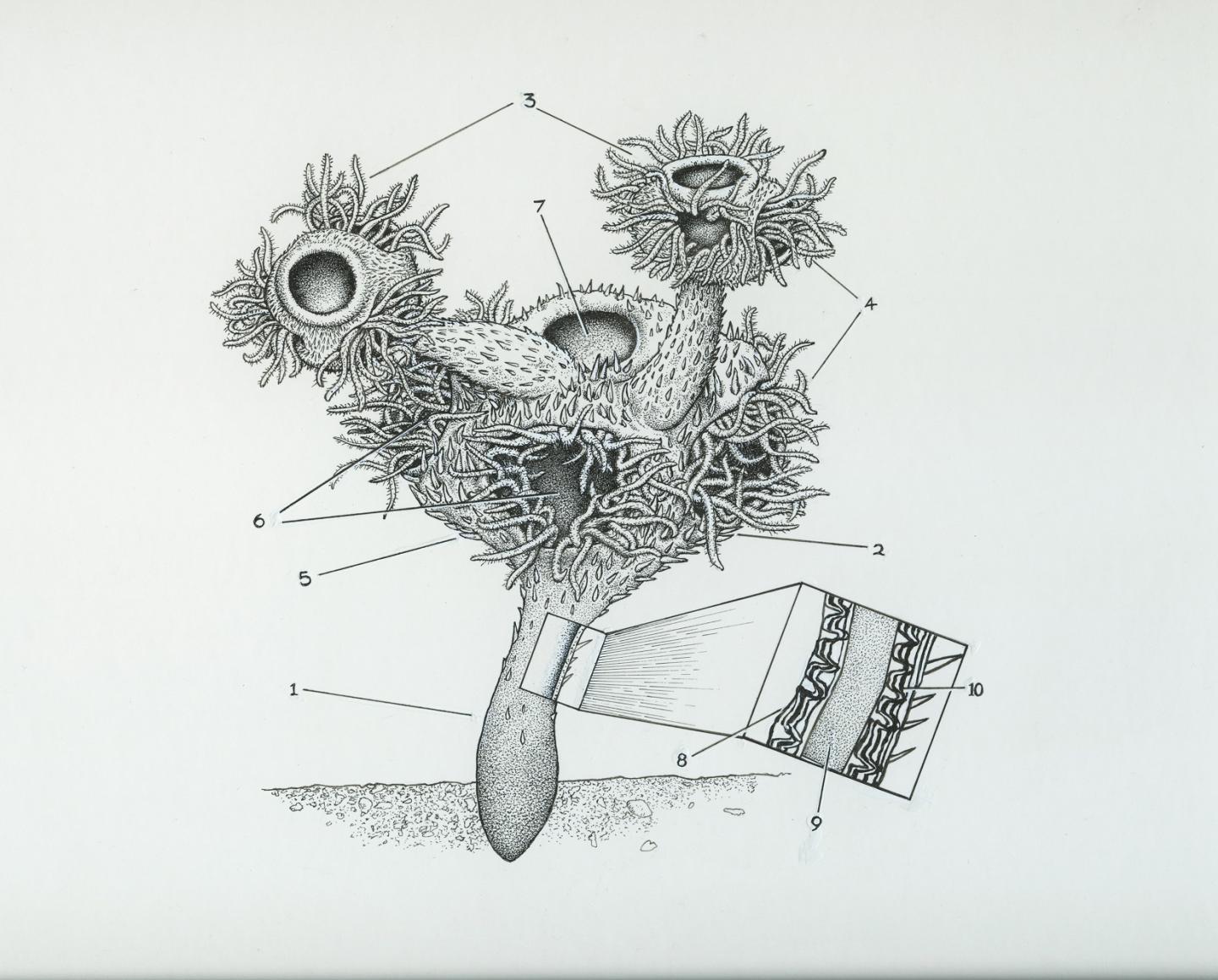
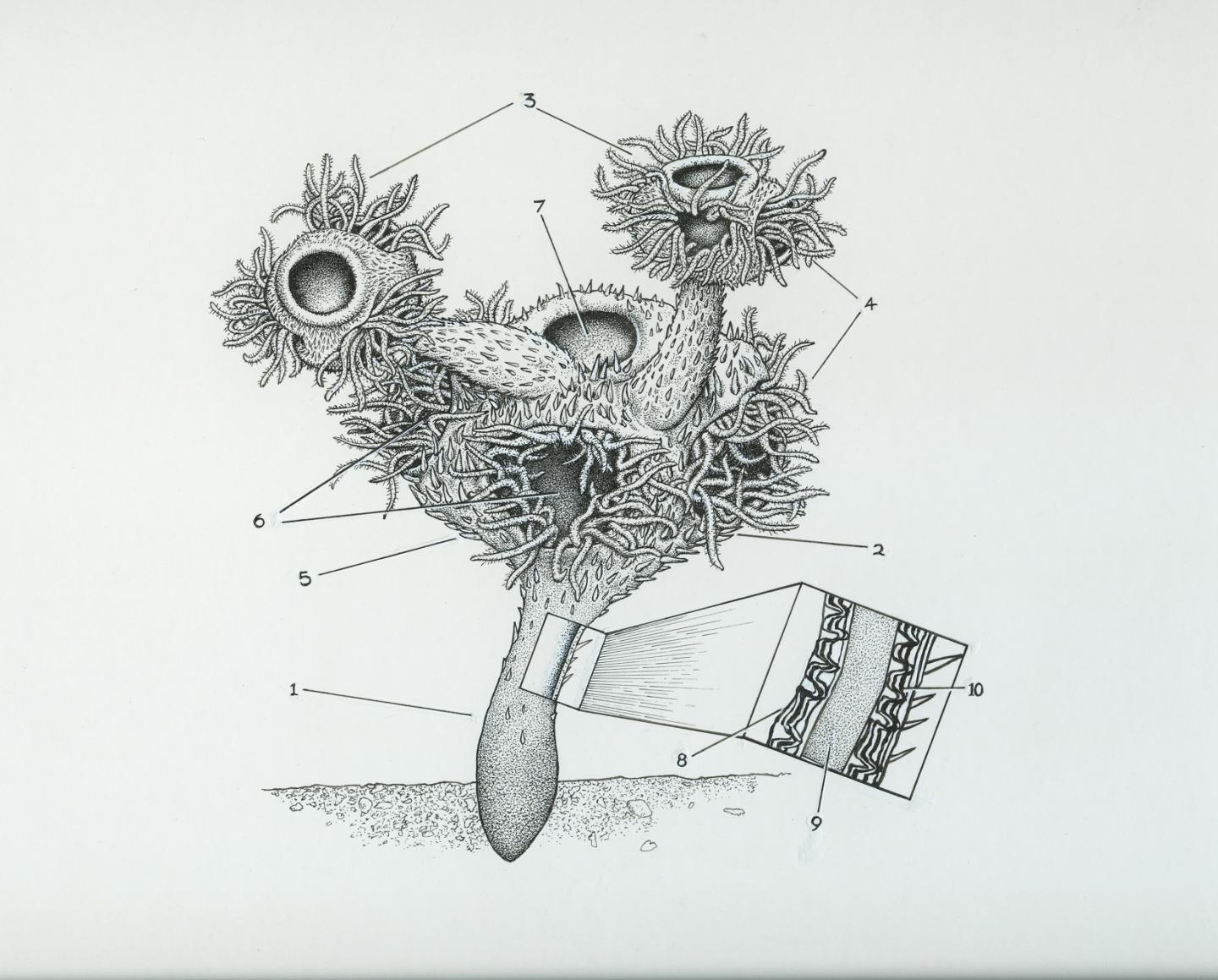
The first animals to have complex skeletons existed about 550 million years ago, fossils of a tiny marine creature unearthed in Namibia suggest.

The find is the first to suggest the earliest complex animals on Earth – which may be related to many of today's animal species – lived millions of years earlier than was previously known.

Until now, the oldest evidence of complex animals – which succeeded more primitive creatures that often resembled sponges or coral – came from the Cambrian Period, which began around 541 million years ago. Scientists had long suspected that complex animals had existed before then but, until now, they had no proof.

Genetic family tree data suggested that complex animals – known as bilaterians – evolved prior to the Cambrian Period. The finding suggests that bilaterians may have lived as early as 550 million years ago, during the late Ediacaran Period.

The study suggests that complex animals existed long before a period in the planet's history – known as the Cambrian explosion – during which most major animal groups evolved.

The team studied fossils of an extinct marine animal – known as Namacalathus hermanastes – which was widespread during the Ediacaran Period. The fossils are remarkably well preserved and reveal that the species possessed a rigid skeleton made of calcium carbonate – a hard material from which the shells of marine animals are made. The complex skeletal structures are similar to those of living creatures that dwell at the bottom of the sea, the team says.

The study, published in the journal Proceedings of the Royal Society B, was funded by the Natural Environment Research Council. The research was carried out in collaboration with Lomonosov Moscow State University.

Professor Rachel Wood, of the University of Edinburgh's School of GeoSciences, who led the study, said: "This fossil has been known for a long time, and was assumed to have been a primitive animal, such as a sponge or coral. This study suggests that it was, in fact, more advanced. We have suspected that these complex animals were present in the Ediacaran, but this study provides the first proof."

###

Share12Tweet8Share2ShareShareShare2

Related Posts

Short-Term Home Cognitive & Physical Training Tested in Seniors

May 16, 2026
Stress Evolution and Time Control in Retreat Roadways — Technology and Engineering

Stress Evolution and Time Control in Retreat Roadways

May 16, 2026

New Kineococcus Species Discovered on Anabasis Seeds

May 16, 2026

New Blood Test Detects Tumor DNA to Guide Treatment in Advanced Cancer Cases

May 16, 2026
Please login to join discussion

POPULAR NEWS

  • Research Indicates Potential Connection Between Prenatal Medication Exposure and Elevated Autism Risk

    844 shares
    Share 338 Tweet 211
  • New Study Reveals Plants Can Detect the Sound of Rain

    730 shares
    Share 291 Tweet 182
  • Salmonella Haem Blocks Macrophages, Boosts Infection

    62 shares
    Share 25 Tweet 16
  • Breastmilk Balances E. coli and Beneficial Bacteria in Infant Gut Microbiomes

    58 shares
    Share 23 Tweet 15

About

We bring you the latest biotechnology news from best research centers and universities around the world. Check our website.

Follow us

Recent News

Short-Term Home Cognitive & Physical Training Tested in Seniors

Stress Evolution and Time Control in Retreat Roadways

New Kineococcus Species Discovered on Anabasis Seeds

Subscribe to Blog via Email

Enter your email address to subscribe to this blog and receive notifications of new posts by email.

Join 82 other subscribers
  • Contact Us

Bioengineer.org © Copyright 2023 All Rights Reserved.

Welcome Back!

Login to your account below

Forgotten Password?

Retrieve your password

Please enter your username or email address to reset your password.

Log In
No Result
View All Result
  • Homepages
    • Home Page 1
    • Home Page 2
  • News
  • National
  • Business
  • Health
  • Lifestyle
  • Science

Bioengineer.org © Copyright 2023 All Rights Reserved.