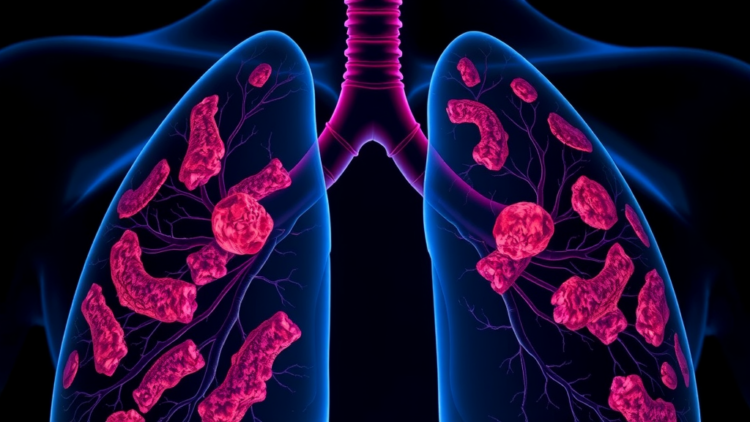
One of the most stubborn puzzles in cancer immunotherapy may finally be yielding to a closer look at the scaffolding that surrounds tumors. In a study published in Breast Cancer Research and Treatment, researchers at Massachusetts General Hospital and Harvard Medical School report that a collagen-binding receptor on the surface of breast cancer cells, integrin alpha-2, also known by the marker name CD49b and encoded by the gene ITGA2, acts as a molecular linchpin connecting the dense collagen web of a tumor to its ability to evade the immune system. Blocking that receptor, the team found, does more than slow tumor growth: it fundamentally rewrites the composition of the tumor immune microenvironment and makes an unresponsive breast cancer model strikingly sensitive to anti-PD-L1 checkpoint therapy.
Collagen is not a passive bystander in breast cancer. It is a defining architectural feature of breast tumors, and a growing body of evidence has implicated it in tumor progression, stromal stiffening, and the physical and immunological exclusion of T cells. Dense, cross-linked collagen matrices have been shown in earlier work to promote mammary tumor initiation and progression, to enhance integrin signaling, and to regulate the activity of tumor-infiltrating T cells. Yet precisely how tumor cells sense this collagen-rich matrix and convert that mechanical dialogue into immune suppression has remained poorly understood. The new study was designed to close that gap by identifying the specific receptor that transmits the collagen signal and tracing its downstream consequences for tumor immunity.
The investigators began with transcriptomics, integrating bulk and single-cell RNA sequencing analyses to map where ITGA2 is expressed across breast cancer. The answer was broad and consistent: the gene is expressed across breast cancer subtypes, and within the cellular mosaic of a tumor it is preferentially localized to the malignant epithelial cells themselves rather than to stromal or immune populations. That placement matters. It means the tumor cells are the ones directly wired to the surrounding collagen scaffold through this receptor, positioning integrin alpha-2 as a candidate conduit through which matrix cues could be translated into pro-tumor behavior, including the ability to ward off an immune attack.
Functional assays confirmed that suspicion at the level of adhesion. CD49b, which pairs with beta-1 integrin to form the alpha-2-beta-1 collagen receptor, proved to be a dominant receptor mediating breast cancer cell adhesion to collagen type I and collagen type IV, the two principal collagens of tumor stroma and basement membranes. In other words, when the researchers asked which molecular handshake most strongly tethers breast cancer cells to their collagenous surroundings, CD49b came out on top. The finding builds on decades of work showing that integrins are bidirectional signaling machines capable of transmitting information across the cell membrane in both directions, and that integrin signaling in cancer is tied to proliferation, invasion, and survival, but the new study adds a distinctly immunological dimension to that established biology.
The decisive experiments came in vivo, in the 4T1 breast cancer model, a highly aggressive and notoriously immunologically cold mouse mammary tumor model. When the researchers genetically ablated CD49b or blocked it with antibodies, tumors grew more slowly. But the more consequential result was immunological. Tumor immune microenvironment profiling revealed a profound remodeling: infiltration by CD8-positive cytotoxic T cells increased, as did the presence of antigen-presenting dendritic cell subsets that are essential for priming and sustaining antitumor T cell responses. At the same time, immunosuppressive myeloid populations, the cellular allies of tumor immune evasion, were reduced. Blocking a single collagen receptor on tumor cells, in effect, converted a hostile, T-cell-excluding landscape into one that invites and supports immune attack.
The animal data found an echo in human disease. Examining breast cancer patient cohorts, the team found that ITGA2 expression correlates with stromal enrichment and with immune exclusion signatures, the molecular fingerprints of tumors that keep T cells at their periphery. Immune-excluded tumors are among the poorest responders to checkpoint inhibitors, because the drugs cannot activate T cells that are never granted entry into the tumor in meaningful numbers. The correlation suggests that the mechanism uncovered in mice is not a model-specific curiosity but a plausible feature of human breast cancer biology, where a collagen-sensing receptor on malignant cells helps define who gets into the tumor and who does not.
That connection made the next question inevitable: if CD49b blockade opens the tumor to immune cells, could it also unlock the power of immune checkpoint inhibitors, which depend on pre-existing T cell activity? The answer was yes. In the 4T1 model, CD49b blockade synergized with PD-L1 immune checkpoint inhibition, enhancing T cell activation and effector function and producing improved tumor control beyond what either approach achieved alone. Anti-PD-L1 therapy works by releasing the brakes on T cells, but it requires brakes to be installed on T cells that are present and engaged in the first place. By remodeling the microenvironment to admit and activate T cells, CD49b blockade creates the substrate on which checkpoint blockade can act, providing a mechanistic rationale for combining matrix-targeted therapy with immunotherapy.
The study fits into a broader and accelerating recognition that the extracellular matrix is an active regulator of antitumor immunity rather than mere physical scenery. Prior work has shown that matrix architecture dictates the migration patterns of T cells in human lung tumors, that collagen density regulates the activity of tumor-infiltrating T cells, and that transforming growth factor beta-driven fibrosis contributes to T cell exclusion and attenuates responses to PD-L1 blockade. A parallel line of research has implicated other collagen-binding integrins, notably alpha-v-beta-6, in driving immune evasion in triple-negative breast cancer through TGF-beta signaling, and a related report from the same group linked CD49b to the exclusion of CD8-positive T cells in pancreatic ductal adenocarcinoma. Together these studies sketch a unifying theme: tumor matrix interactions are a programmable axis of immune suppression that can in principle be therapeutically interrupted.
Integrins have had a checkered clinical history as drug targets, with numerous candidates tested across oncology over the past two decades and mixed results to show for it. What distinguishes the new work is the specificity of the target and the clarity of the immunological readout. Rather than treating the matrix as an undifferentiated target, the study isolates a single receptor-ligand pair, integrin alpha-2-beta-1 and collagen, and demonstrates a causal chain from receptor blockade through immune remodeling to checkpoint therapy synergy. That precision offers a roadmap for biomarker-driven trials: ITGA2 expression, or immune exclusion signatures, could in principle identify patients whose tumors are wired for collagen-dependent immune evasion and therefore most likely to benefit from this combination strategy.
Important caveats remain before the clinic. The therapeutic findings rest on the 4T1 mouse model, and the human data are correlative rather than interventional, so the synergy observed in mice will need to be validated in appropriately designed clinical studies. The precise molecular pathways linking CD49b signaling to the recruitment of dendritic cells and the depletion of suppressive myeloid cells also remain to be fully mapped. Nevertheless, the study delivers a conceptual advance with immediate translational appeal: the fibrous collagen cage that breast cancers build around themselves is not just a barrier to be degraded but a signaling network that can be switched off at its receptor. If that switch can be safely and selectively thrown in patients, one of immunotherapy’s most resistant diseases may become considerably more vulnerable.
Subject of Research: Role of the collagen receptor integrin alpha-2 (CD49b) in breast cancer immune evasion and response to anti-PD-L1 immunotherapy
Article Title: Integrin α2 (CD49b) blockade remodels the tumor immune microenvironment and enhances anti-PD-L1 therapy in 4T1 breast cancer model
Article References: Eissa, I. R., Wang, Y., & Tanabe, K. K. (2026). Integrin α2 (CD49b) blockade remodels the tumor immune microenvironment and enhances anti-PD-L1 therapy in 4T1 breast cancer model. Breast Cancer Research and Treatment, 219(3), Article 16. https://doi.org/10.1007/s10549-026-08077-2
Image Credits: AI Generated
DOI: 10.1007/s10549-026-08077-2
Keywords: CD49b, integrin alpha-2, ITGA2, collagen, breast cancer, tumor microenvironment, immune evasion, anti-PD-L1, immune checkpoint blockade, CD8 T cells, 4T1 model, cancer immunotherapy
Cite Scienmag News
APA
MLA
Chicago
Nathaniel Bowman. (September 25, 2026). Collagen Receptor CD49b Emerges as Key Switch That Lets Breast Tumors Hide From Immunotherapy. Scienmag. https://scienmag.com/collagen-receptor-cd49b-emerges-as-key-switch-that-lets-breast-tumors-hide-from-immunotherapy/
Nathaniel Bowman. “Collagen Receptor CD49b Emerges as Key Switch That Lets Breast Tumors Hide From Immunotherapy.” Scienmag, 25 September 2026, https://scienmag.com/collagen-receptor-cd49b-emerges-as-key-switch-that-lets-breast-tumors-hide-from-immunotherapy/. Accessed 25 September 2026.
Nathaniel Bowman. “Collagen Receptor CD49b Emerges as Key Switch That Lets Breast Tumors Hide From Immunotherapy.” Scienmag. September 25, 2026. https://scienmag.com/collagen-receptor-cd49b-emerges-as-key-switch-that-lets-breast-tumors-hide-from-immunotherapy/
Copy citation
Download RIS
Tags: 4T1 modelanti-PD-L1breast cancerbreast cancer immunotherapy resistancecancer immunotherapyCD49bCD8+ T cellscollagencollagen receptor CD49b in tumor immune evasioncollagen’s impact on T cell exclusion in tumorsenhancing anti-PD-L1 therapy in breast cancerimmune checkpoint blockadeimmune evasionintegrin alpha-2integrin signaling pathways in cancerITGA2molecular mechanisms of tumor immune escaperole of extracellular matrix in breast tumor progressionrole of integrin alpha-2 in breast cancerstrategiestargeting collagen-binding integrins for cancer therapytumor microenvironmenttumor microenvironment and collagen scaffoldingtumor stromal stiffening and immune suppression