• HOME
  • NEWS
  • EXPLORE
    • CAREER
      • Companies
      • Jobs
    • EVENTS
    • iGEM
      • News
      • Team
    • PHOTOS
    • VIDEO
    • WIKI
  • BLOG
  • COMMUNITY
    • FACEBOOK
    • INSTAGRAM
    • TWITTER
Sunday, May 10, 2026
BIOENGINEER.ORG
No Result
View All Result
  • Login
  • HOME
  • NEWS
  • EXPLORE
    • CAREER
      • Companies
      • Jobs
        • Lecturer
        • PhD Studentship
        • Postdoc
        • Research Assistant
    • EVENTS
    • iGEM
      • News
      • Team
    • PHOTOS
    • VIDEO
    • WIKI
  • BLOG
  • COMMUNITY
    • FACEBOOK
    • INSTAGRAM
    • TWITTER
  • HOME
  • NEWS
  • EXPLORE
    • CAREER
      • Companies
      • Jobs
        • Lecturer
        • PhD Studentship
        • Postdoc
        • Research Assistant
    • EVENTS
    • iGEM
      • News
      • Team
    • PHOTOS
    • VIDEO
    • WIKI
  • BLOG
  • COMMUNITY
    • FACEBOOK
    • INSTAGRAM
    • TWITTER
No Result
View All Result
Bioengineer.org
No Result
View All Result
Home NEWS Science News Biology

Climatic stability resulted in the evolution of more bird species

Bioengineer by Bioengineer
July 17, 2017
in Biology
Reading Time: 2 mins read
0
Share on FacebookShare on TwitterShare on LinkedinShare on RedditShare on Telegram
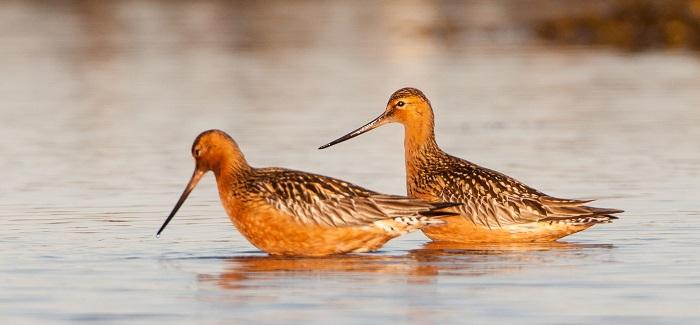
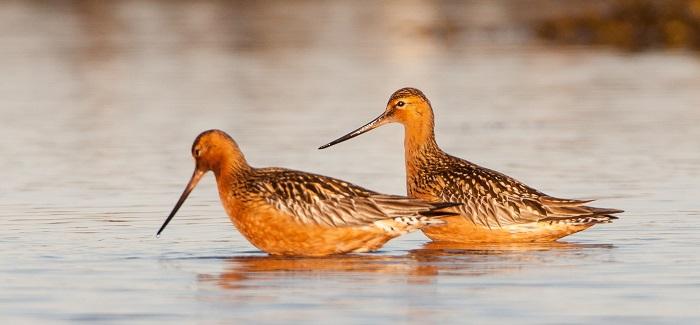
IMAGE

Credit: Lars Edenius

More species of birds have accumulated in genera inhabiting climatically stable areas. This is shown by a new study from Umeå University.

"The explanation may be that a stable climate makes it more likely that diverging lineages persist without going extinct or merging until speciation is completed, and stability reduces the risk for extinction in response to climatic upheavals," says Roland Jansson, researcher from Umeå University who led the study.

How life has evolved from simple origins into millions of species is a central question in biology that remains unsolved. Advances in genomics and bioinformatics mean we now know a lot about the relationships among species and their origins, but surprisingly little is known about which environmental conditions that allows species to multiply.

In a project focusing on how climate changes in the past affects the evolution of biodiversity, researchers tried to fill this knowledge gap. They studied bird genera endemic (unique to) to North and South America and asked which geographic and climatic factors could explain why more species have accumulated in species-rich genera compared to their more species-poor sister genera.

The results showed that genera occupying areas that had been more climatically stable during the last millions of years had diversified into more species than their closest sister genera inhabiting more climatically variable areas. The previously popular hypothesis that climate change during this time period would promote speciation was refuted, at least for birds.

The question of what this means for biodiversity in the future considering climate change is however not an easy one to answer. On one hand, areas of high climatic stability are predicted to warm less than the global average. On the other hand, species from climatically stable areas may be less tolerant to new climatic conditions.

"Climate change has been a feature of Earth's entire history, and has been both rapid and large in the past. But the climate change occurring now will make the climate warmer than in millions of years, and be beyond what many species have experienced," says Roland Jansson.

Another complicating factor making present climate change different from events in the past is that most ecosystems are now dominated by human use, making it harder for species to adjust their geographic ranges in response to the changing climate.

###

For more information, please contact:
Roland Jansson, associate professor
Department of Ecology and Environmental Science
Umeå University
Phone: +46-70-368 6605
E-mail: [email protected]

Media Contact

Ola Nilsson
[email protected]
46-703-532-648
@UmeaUniversity

http://www.umu.se/umu/index_eng.html

Related Journal Article

http://dx.doi.org/10.1111/ele.12809

Share12Tweet8Share2ShareShareShare2

Related Posts

Ancient Plant Populations Reveal Fresh Insights into Climate Resilience — Biology

Ancient Plant Populations Reveal Fresh Insights into Climate Resilience

May 8, 2026
Rare Brain Disorders in Children Linked to Mutations in Lesser-Known Protein Complex — Biology

Rare Brain Disorders in Children Linked to Mutations in Lesser-Known Protein Complex

May 8, 2026

From Odd Insect to Underwater Predator: The Remarkable Evolution of a Bloodthirsty Fruit Fly

May 8, 2026

SNU Professor Sangwoo Seo’s Team Develops Next-Generation CRISPR Biocontainment Technology to Control Microbial Survival Without DNA Cleavage

May 8, 2026
Please login to join discussion

POPULAR NEWS

  • Research Indicates Potential Connection Between Prenatal Medication Exposure and Elevated Autism Risk

    840 shares
    Share 336 Tweet 210
  • New Study Reveals Plants Can Detect the Sound of Rain

    727 shares
    Share 290 Tweet 181
  • Scientists Investigate Possible Connection Between COVID-19 and Increased Lung Cancer Risk

    68 shares
    Share 27 Tweet 17
  • Salmonella Haem Blocks Macrophages, Boosts Infection

    61 shares
    Share 24 Tweet 15

About

We bring you the latest biotechnology news from best research centers and universities around the world. Check our website.

Follow us

Recent News

Urdu Fall Risk Questionnaire Adapted for Elderly

Key Pharmacological Markers for HIV Prevention in MSM

Taking 8,500 Steps Daily May Aid Long-Term Weight Management, Study Finds

Subscribe to Blog via Email

Enter your email address to subscribe to this blog and receive notifications of new posts by email.

Join 82 other subscribers
  • Contact Us

Bioengineer.org © Copyright 2023 All Rights Reserved.

Welcome Back!

Login to your account below

Forgotten Password?

Retrieve your password

Please enter your username or email address to reset your password.

Log In
No Result
View All Result
  • Homepages
    • Home Page 1
    • Home Page 2
  • News
  • National
  • Business
  • Health
  • Lifestyle
  • Science

Bioengineer.org © Copyright 2023 All Rights Reserved.