• HOME
  • NEWS
  • EXPLORE
    • CAREER
      • Companies
      • Jobs
    • EVENTS
    • iGEM
      • News
      • Team
    • PHOTOS
    • VIDEO
    • WIKI
  • BLOG
  • COMMUNITY
    • FACEBOOK
    • INSTAGRAM
    • TWITTER
Monday, July 13, 2026
BIOENGINEER.ORG
No Result
View All Result
  • Login
  • HOME
  • NEWS
  • EXPLORE
    • CAREER
      • Companies
      • Jobs
        • Lecturer
        • PhD Studentship
        • Postdoc
        • Research Assistant
    • EVENTS
    • iGEM
      • News
      • Team
    • PHOTOS
    • VIDEO
    • WIKI
  • BLOG
  • COMMUNITY
    • FACEBOOK
    • INSTAGRAM
    • TWITTER
  • HOME
  • NEWS
  • EXPLORE
    • CAREER
      • Companies
      • Jobs
        • Lecturer
        • PhD Studentship
        • Postdoc
        • Research Assistant
    • EVENTS
    • iGEM
      • News
      • Team
    • PHOTOS
    • VIDEO
    • WIKI
  • BLOG
  • COMMUNITY
    • FACEBOOK
    • INSTAGRAM
    • TWITTER
No Result
View All Result
Bioengineer.org
No Result
View All Result
Home NEWS Science News Biology

Climate shifts prompt shrubs and trees to take root in open areas

Bioengineer by Bioengineer
March 10, 2020
in Biology
Reading Time: 2 mins read
0
IMAGE
Share on FacebookShare on TwitterShare on LinkedinShare on RedditShare on Telegram

IMAGE

Credit: Mariana García Criado

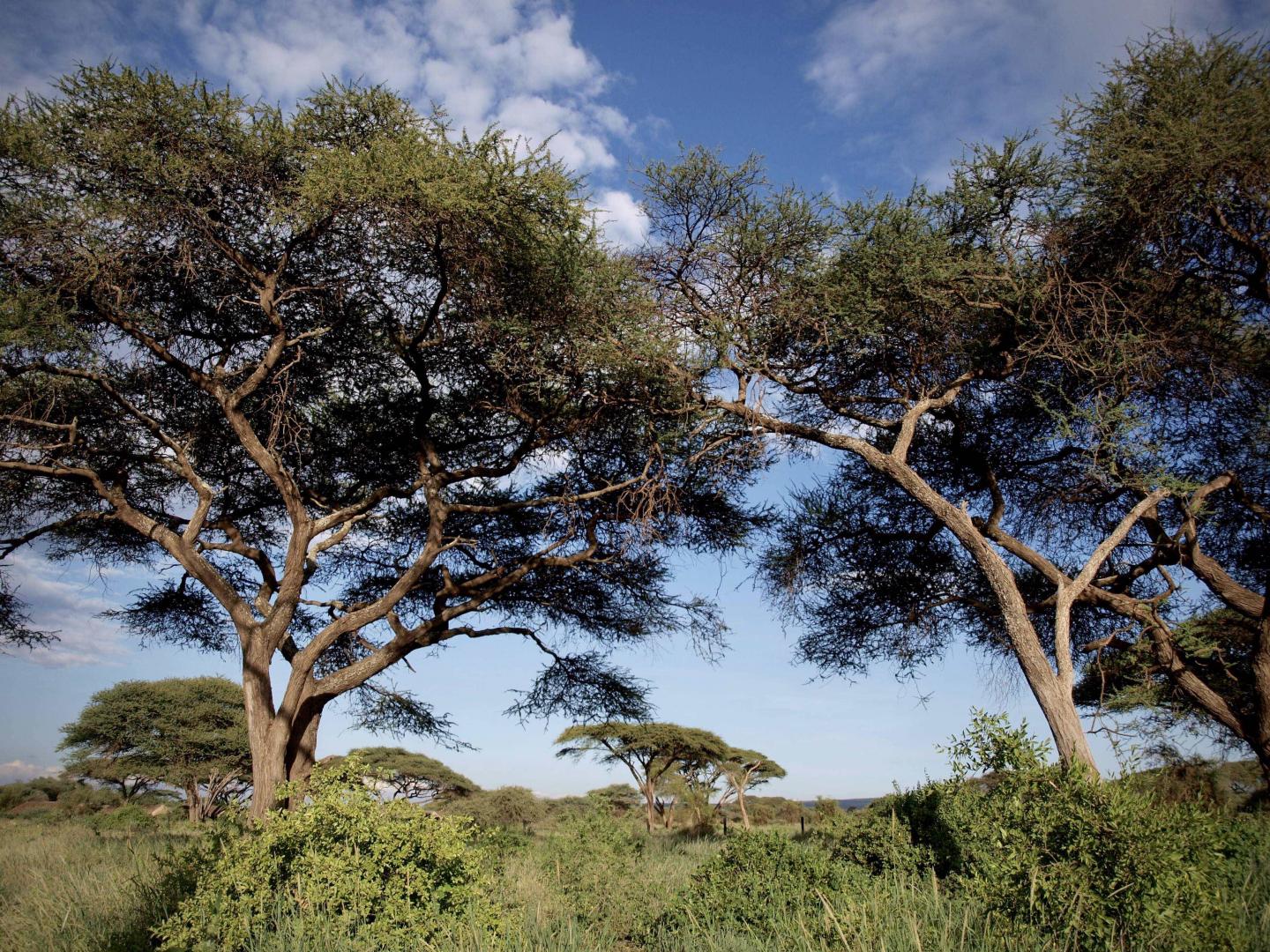
Wild, treeless landscapes are becoming more wooded as climate change leads to warming temperatures and wetter weather, research suggests.

Trees and shrubs are spreading across the tundra and the savanna, transforming these vast, open areas that contain unique biodiversity, researchers say.

The dramatic changes to these regions – which account for some 40 per cent of the world’s land – could alter the global carbon balance and climate system, scientists say. This is because woody plants store carbon, provide fuel for fires and influence how much of the sun’s heat is reflected back into space.

As well as affecting the climate, increasing woody plant cover could alter the unique biodiversity of areas home to diverse species including caribou in the tundra and elephants in the savanna, researchers say.

Rapid warming in the Arctic tundra – spanning northern parts of Canada, the US, Greenland, northern Europe and Russia – has increased shrub plant cover there by 20 per cent over the past 50 years, the study found.

Expanding shrub cover could raise soil temperatures in the tundra, leading to thawing of the permafrost – frozen ground that contains nearly half of the world’s soil carbon.

Scientists found that shrub and tree cover in savannas – which include Africa’s plains, Australia’s outback and drylands of South America – rose by 30 per cent during the same period, as rainfall increased.

A team led by University of Edinburgh researchers carried out the largest global woody cover change study of its kind to date. They compared temperature and rainfall data with more than 1000 records of plant cover change from almost 900 sites across six continents.

They also found that other factors – including wild fires and animal grazing patterns – affect shrub and tree cover, revealing that variables shaping the future of the tundra and the savanna are more complex than previously thought.

The study, published in the journal Global Ecology and Biogeography, was funded by the Natural Environment Research Council and the University of Edinburgh.

Mariana García Criado, of the University of Edinburgh’s School of GeoSciences, who led the study, said: “This research indicates the far-reaching effects of climate change across the planet. Uncovering the ways in which different landscapes are responding requires collaboration among scientists, and cooperation with local peoples to better understand the changes we’re seeing and their impacts from different perspectives.”

###

Media Contact
Corin Campbell
[email protected]
44-131-650-6382

Related Journal Article

http://dx.doi.org/10.1111/geb.13072

Tags: Climate ChangeClimate ScienceEarth Science
Share12Tweet8Share2ShareShareShare2

Related Posts

Han directs new $15M NIH center for organ-on-chip technology

Han directs new $15M NIH center for organ-on-chip technology

July 11, 2026
Bacteriophages Enable Next-Gen Smart Pathogen Detection Sensors

Bacteriophages Enable Next-Gen Smart Pathogen Detection Sensors

July 10, 2026

Temperature Fluctuations Have Greater Impact Than Previously Believed

July 10, 2026

New Study Uncovers Biology Behind Glioma Cancer Progression

July 10, 2026
Please login to join discussion

POPULAR NEWS

  • Detection of EDCs in Breast Milk and Infant Urine Up to Six Months Highlights Early Exposure Risks

    77 shares
    Share 31 Tweet 19
  • New Drug Candidate Developed at McMaster Shows Potential for Treating Brain Cancer

    58 shares
    Share 23 Tweet 15
  • KTU Researchers Explore Ultrasound’s Role in Enhancing Blood Flow Beyond Diagnostics

    53 shares
    Share 21 Tweet 13
  • 高齢者の骨粗鬆症治療の持続性比較

    51 shares
    Share 20 Tweet 13

About

We bring you the latest biotechnology news from best research centers and universities around the world. Check our website.

Follow us

Recent News

Nationwide Study Reveals Multimorbidity Factors in Older Chinese Adults

Clinicopathologic Study Reveals Amyloid Clearance in Alzheimer’s Disease

Long-Term Kidney Outcomes After Living Donation in Older Adults Explored

Subscribe to Blog via Email

Enter your email address to subscribe to this blog and receive notifications of new posts by email.

Join 85 other subscribers
  • Contact Us

Bioengineer.org © Copyright 2023 All Rights Reserved.

Welcome Back!

Login to your account below

Forgotten Password?

Retrieve your password

Please enter your username or email address to reset your password.

Log In
No Result
View All Result
  • Homepages
    • Home Page 1
    • Home Page 2
  • News
  • National
  • Business
  • Health
  • Lifestyle
  • Science

Bioengineer.org © Copyright 2023 All Rights Reserved.