• HOME
  • NEWS
  • EXPLORE
    • CAREER
      • Companies
      • Jobs
    • EVENTS
    • iGEM
      • News
      • Team
    • PHOTOS
    • VIDEO
    • WIKI
  • BLOG
  • COMMUNITY
    • FACEBOOK
    • INSTAGRAM
    • TWITTER
Monday, May 11, 2026
BIOENGINEER.ORG
No Result
View All Result
  • Login
  • HOME
  • NEWS
  • EXPLORE
    • CAREER
      • Companies
      • Jobs
        • Lecturer
        • PhD Studentship
        • Postdoc
        • Research Assistant
    • EVENTS
    • iGEM
      • News
      • Team
    • PHOTOS
    • VIDEO
    • WIKI
  • BLOG
  • COMMUNITY
    • FACEBOOK
    • INSTAGRAM
    • TWITTER
  • HOME
  • NEWS
  • EXPLORE
    • CAREER
      • Companies
      • Jobs
        • Lecturer
        • PhD Studentship
        • Postdoc
        • Research Assistant
    • EVENTS
    • iGEM
      • News
      • Team
    • PHOTOS
    • VIDEO
    • WIKI
  • BLOG
  • COMMUNITY
    • FACEBOOK
    • INSTAGRAM
    • TWITTER
No Result
View All Result
Bioengineer.org
No Result
View All Result
Home NEWS Science News Biology

Climate change threatens endangered sparrows

Bioengineer by Bioengineer
April 16, 2019
in Biology
Reading Time: 2 mins read
0
Share on FacebookShare on TwitterShare on LinkedinShare on RedditShare on Telegram

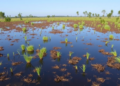
A new study in The Condor: Ornithological Applications finds that some sparrow species will go extinct within the century due to climate change.

Seaside (Ammospiza maritima) and saltmarsh (A. caudacuta) sparrows are closely related species and among only five bird species that are almost completely restricted to coastal salt marshes for their entire life. These sparrows’ nests are predominantly destroyed by predators or flooding.

Salt marshes are globally limited to about 30,000 square miles (45,000 square km), with one-third of the total on North American coasts. Of the 25 species or subspecies limited to tidal wetlands worldwide, 15 are restricted to the US Atlantic and Gulf coasts. Given rapid climate changes and other threats to salt marsh ecosystems, many of these species are in serious danger.

The global breeding range of the saltmarsh sparrow extends from Virginia to Maine, with a population estimate of 60,000 birds. Sea-level rise can negatively impact breeding seaside and saltmarsh sparrows by reducing the amount of available habitat, and by increasing nest flooding rates. Furthermore, the high human population densities of Mid-Atlantic states also make it difficult for sparrows to thrive in the region.

This study aimed to estimate population trajectories for seaside and saltmarsh sparrows within Edwin B. Forsythe National Wildlife Refuge in New Jersey, identify the primary drivers of those trajectories, and explore potential management strategies to prevent declines.

The researchers found that seaside sparrows persisted under a 1 ft (0.35 m) rise in sea level scenario and also under a sea level rise of almost 2.5 ft (0.75 m). Saltmarsh sparrows survived in neither scenario. With a 1 ft rise in sea level, the seaside sparrow population experienced a compound decline of .35% a year. Under the 2.5 ft sea level rise scenario, this decline increased to .56% a year. The saltmarsh sparrow median time to quasi-extinction was 20 years under both scenarios.

The results indicated that seaside sparrows are likely to persist, while saltmarsh sparrows are likely to become locally extinct in the next 30 years.

“Given the projected increases in sea level over the next few decades and threats from predators, we will need to implement timely and creative actions to avoid extinction of saltmarsh sparrows,” said the paper’s lead author, Samuel Griffith Roberts.

###

The paper, “Preventing local extinctions to tidal marsh endemic sparrows in Eastern North America,” is available (at midnight on April 16) at: https://academic.oup.com/condor/article/121/1/duy024/5393601

Direct correspondence to:

Samuel Griffith Roberts

Department of Entomology and Wildlife Ecology

University of Delaware

250 Townsend Hall

Newark, DE 19716

[email protected]

To request a copy of the study, please contact:

Daniel Luzer

[email protected]

Sharing on social media? Find Oxford Journals online at @OxfordJournal

Media Contact
Daniel Luzer
[email protected]
http://dx.doi.org/10.1093/condor/duy024

Tags: Animal Research/RightsBiologyClimate ChangeClimate ScienceEcology/EnvironmentPollution/RemediationZoology/Veterinary Science
Share12Tweet8Share2ShareShareShare2

Related Posts

Ancient Plant Populations Reveal Fresh Insights into Climate Resilience — Biology

Ancient Plant Populations Reveal Fresh Insights into Climate Resilience

May 8, 2026
Rare Brain Disorders in Children Linked to Mutations in Lesser-Known Protein Complex — Biology

Rare Brain Disorders in Children Linked to Mutations in Lesser-Known Protein Complex

May 8, 2026

From Odd Insect to Underwater Predator: The Remarkable Evolution of a Bloodthirsty Fruit Fly

May 8, 2026

SNU Professor Sangwoo Seo’s Team Develops Next-Generation CRISPR Biocontainment Technology to Control Microbial Survival Without DNA Cleavage

May 8, 2026
Please login to join discussion

POPULAR NEWS

  • Research Indicates Potential Connection Between Prenatal Medication Exposure and Elevated Autism Risk

    840 shares
    Share 336 Tweet 210
  • New Study Reveals Plants Can Detect the Sound of Rain

    727 shares
    Share 290 Tweet 181
  • Salmonella Haem Blocks Macrophages, Boosts Infection

    61 shares
    Share 24 Tweet 15
  • Breastmilk Balances E. coli and Beneficial Bacteria in Infant Gut Microbiomes

    57 shares
    Share 23 Tweet 14

About

We bring you the latest biotechnology news from best research centers and universities around the world. Check our website.

Follow us

Recent News

New Post-Hoc Analysis Explores Daily Oral Orforglipron Use in Adults Over 65 with Obesity, Regardless of Diabetes Status

Evaluating Digoxin Use in Patients with Symptomatic Rheumatic Heart Disease

Evaluating the Effectiveness and Safety of Digitalis Glycosides in Treating Heart Failure

Subscribe to Blog via Email

Enter your email address to subscribe to this blog and receive notifications of new posts by email.

Join 82 other subscribers
  • Contact Us

Bioengineer.org © Copyright 2023 All Rights Reserved.

Welcome Back!

Login to your account below

Forgotten Password?

Retrieve your password

Please enter your username or email address to reset your password.

Log In
No Result
View All Result
  • Homepages
    • Home Page 1
    • Home Page 2
  • News
  • National
  • Business
  • Health
  • Lifestyle
  • Science

Bioengineer.org © Copyright 2023 All Rights Reserved.