• HOME
  • NEWS
  • EXPLORE
    • CAREER
      • Companies
      • Jobs
    • EVENTS
    • iGEM
      • News
      • Team
    • PHOTOS
    • VIDEO
    • WIKI
  • BLOG
  • COMMUNITY
    • FACEBOOK
    • INSTAGRAM
    • TWITTER
Thursday, June 25, 2026
BIOENGINEER.ORG
No Result
View All Result
  • Login
  • HOME
  • NEWS
  • EXPLORE
    • CAREER
      • Companies
      • Jobs
        • Lecturer
        • PhD Studentship
        • Postdoc
        • Research Assistant
    • EVENTS
    • iGEM
      • News
      • Team
    • PHOTOS
    • VIDEO
    • WIKI
  • BLOG
  • COMMUNITY
    • FACEBOOK
    • INSTAGRAM
    • TWITTER
  • HOME
  • NEWS
  • EXPLORE
    • CAREER
      • Companies
      • Jobs
        • Lecturer
        • PhD Studentship
        • Postdoc
        • Research Assistant
    • EVENTS
    • iGEM
      • News
      • Team
    • PHOTOS
    • VIDEO
    • WIKI
  • BLOG
  • COMMUNITY
    • FACEBOOK
    • INSTAGRAM
    • TWITTER
No Result
View All Result
Bioengineer.org
No Result
View All Result
Home NEWS Science News Chemistry

Click… Resistant bacteria caught in the act!

Bioengineer by Bioengineer
June 22, 2020
in Chemistry
Reading Time: 2 mins read
0
IMAGE
Share on FacebookShare on TwitterShare on LinkedinShare on RedditShare on Telegram

IMAGE

Credit: Copyright UCLouvain

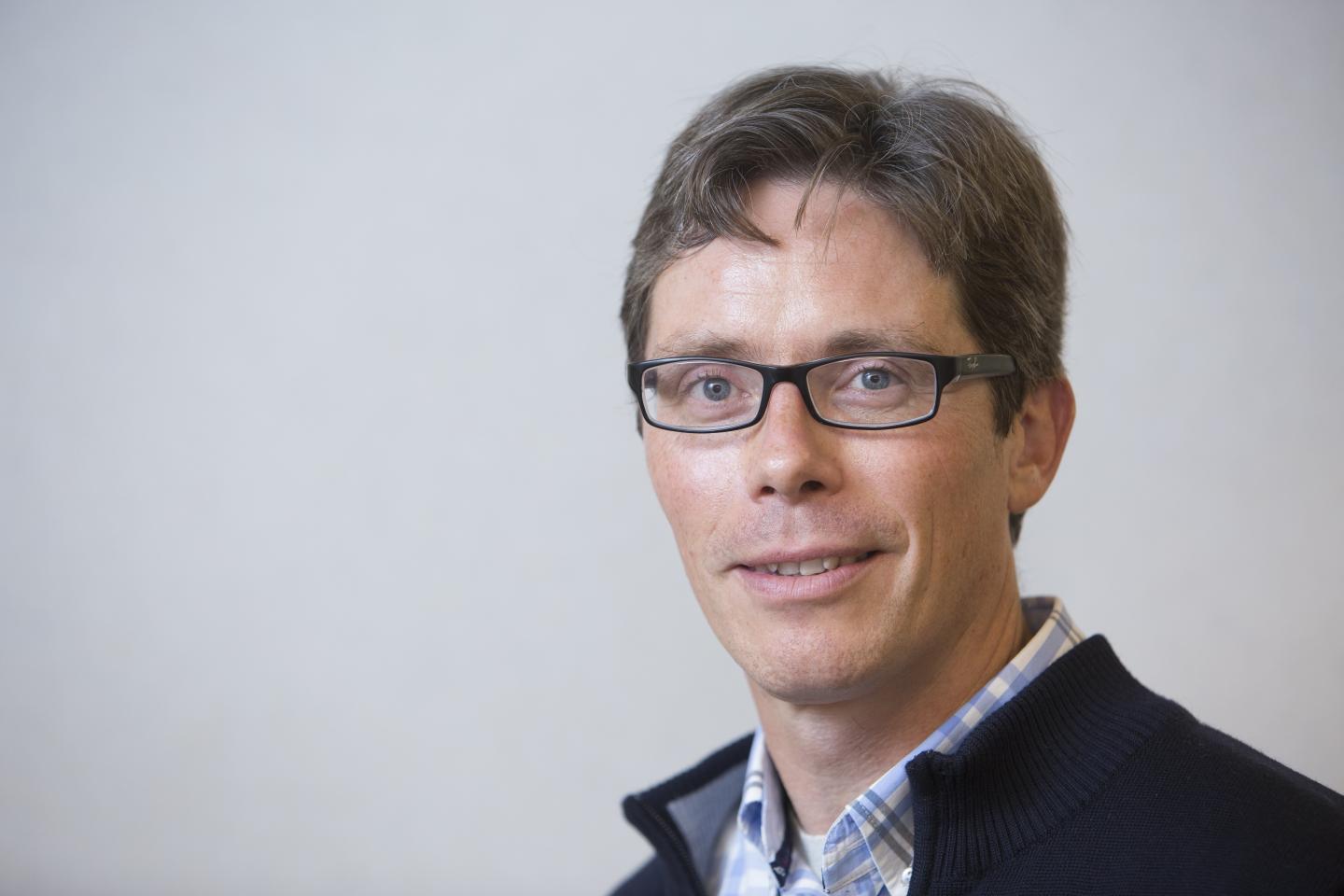
The resistance of bacteria to antibiotics is a major health problem. The problem? Bacteria acquire new defense mechanisms to counteract the action of drugs. For several years, the team of Jean-François Collet, professor at the de Duve Institute at UCLouvain, has been interested in this question, and in particular in bacteria surrounded by two membranes (or two surrounding walls).
For a bacterium to survive, it must succeed in building its two surrounding walls and, once assembled, it must protect them from attacks by toxic molecules, including certain antibiotics. Indeed, if one of the walls is damaged, the bacterium dies.

In the outer perimeter wall, there is a particularly important type of guard tower. These towers, called BAM, are essential places for the surveillance, maintenance and protection of fortifications. Several discoveries, including by UCLouvain, have made BAM a prime target for the development of new antibiotics. However, despite the intense work of many university laboratories and pharmaceutical companies, the mode of operation of BAM remains poorly understood, which hinders the development of new antibacterial strategies.

UCLouvain scientists have caught BAM red-handed. The BAM guard towers are compulsory crossing points for all protein soldiers who stand guard on the ramparts as well as for certain protein soldiers who leave the bacterial fortification to patrol the surroundings. The UCLouvain scientists have achieved the feat of obtaining an instantaneous photograph (or three-dimensional structure), which makes it possible to observe BAM in the process of exporting one of the protein soldiers (RcsF) through the outer surrounding wall.

This UCLouvain discovery, published in the prestigious scientific journal Nature Chemical Biology, offers an unprecedented perspective: it provides precious information on the mechanism of bacteria and offers a new angle of attack to take over the BAM watchtowers during antibiotic treatment. In this sense, the discovery of the UCLouvain researchers contributes to the global effort to respond to this growing problem.

This research was conducted by an international team from the de Duve Institute of UCLouvain, in collaboration with researchers from the VUB, VIB, CNRS and the University of Leeds. The research was funded by the EOS program and WELBIO. The co-first author of the publication, Raquel Rodriguez Alonso, is supported by the European ITN network Train2Target which aims to train a new generation of scientists specializing in the research of new antibiotics.

###

Media Contact
Isabelle Decoster
[email protected]

Original Source

https://uclouvain.be/en/discover/press/news/click-resistant-bacteria-caught-in-the-act.html

Related Journal Article

http://dx.doi.org/10.1038/s41589-020-0575-0

Tags: BacteriologyBiologyCell BiologyDevelopmental/Reproductive BiologyMedicine/HealthPharmaceutical SciencePublic Health
Share12Tweet8Share2ShareShareShare2

Related Posts

AI and Physics Collaborate to Design Advanced Hydrogen Storage Materials

June 25, 2026

International Team Including Dresden Scientists Develops Novel Designer Proteins for Advanced Study of Living Tissue

June 25, 2026

New Study Uncovers Key Factors Driving Water Chemistry in Nanoscale Environments

June 25, 2026

Plasma Technology Extends Catalyst Lifespan in Hydrogen Production

June 24, 2026
Please login to join discussion

POPULAR NEWS

  • Saying Goodbye to PGY-6: Pediatric Fellowship Realities

    103 shares
    Share 41 Tweet 26
  • Multi-Hospital Study Reveals Long Covid Burden Is Twice as High as Current Estimates

    92 shares
    Share 36 Tweet 23
  • Detection of EDCs in Breast Milk and Infant Urine Up to Six Months Highlights Early Exposure Risks

    77 shares
    Share 31 Tweet 19
  • New Drug Candidate Developed at McMaster Shows Potential for Treating Brain Cancer

    58 shares
    Share 23 Tweet 15

About

We bring you the latest biotechnology news from best research centers and universities around the world. Check our website.

Follow us

Recent News

Tracking Lanthanide-Labeled Microplastics in Plants

POSTECH Researchers Slash Cost of Reconstituted Cell-Free Systems by 95%

AI and Physics Collaborate to Design Advanced Hydrogen Storage Materials

Subscribe to Blog via Email

Success! An email was just sent to confirm your subscription. Please find the email now and click 'Confirm' to start subscribing.

Join 82 other subscribers
  • Contact Us

Bioengineer.org © Copyright 2023 All Rights Reserved.

Welcome Back!

Login to your account below

Forgotten Password?

Retrieve your password

Please enter your username or email address to reset your password.

Log In
No Result
View All Result
  • Homepages
    • Home Page 1
    • Home Page 2
  • News
  • National
  • Business
  • Health
  • Lifestyle
  • Science

Bioengineer.org © Copyright 2023 All Rights Reserved.