City of Hope Secures Landmark $23.7 Million Grant to Revolutionize Immunotherapy Resistance in Non-Small Cell Lung Cancer
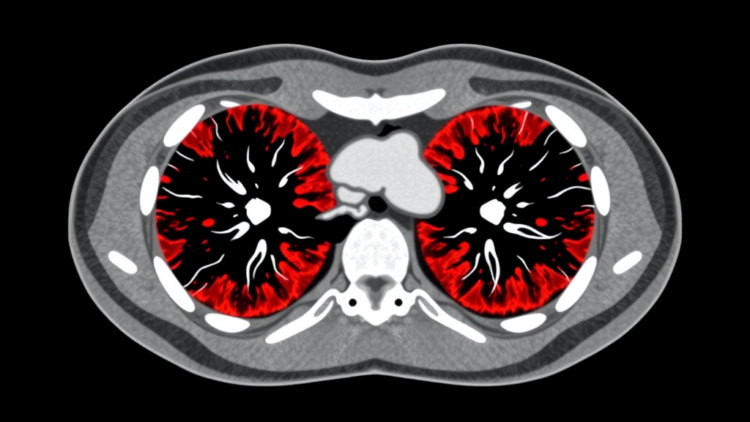
In a groundbreaking advancement for cancer research, City of Hope, one of America’s premier cancer centers, has been awarded a contract valued at up to $23.7 million by the Advanced Research Projects Agency for Health (ARPA-H), part of the U.S. Department of Health and Human Services. This pivotal funding aims to develop a dynamic biomap capturing tumor evolution and resistance mechanisms in advanced or metastatic non-small cell lung cancer (NSCLC), a disease accounting for nearly 87% of all lung cancer diagnoses. The initiative stands to significantly enhance the precision and efficacy of immunotherapy regimens, potentially transforming the treatment landscape for close to 200,000 patients annually.
City of Hope’s Beckman Research Institute will spearhead this ambitious project, harnessing cutting-edge molecular profiling techniques and real-time biomarker analyses to decode the intricate biological changes tumors undergo when exposed to immunotherapeutic agents. Unlike traditional cancer studies, which predominantly focused on first-line treatments without adaptability, this project embraces the temporal heterogeneity of tumor biology, enabling clinicians to modify therapeutic strategies as tumors acquire resistance. This represents a paradigm shift in oncological treatment protocols, moving from static treatment plans to dynamic, adaptive precision oncology.
.adsslot_C0g98qatcp{ width:728px !important; height:90px !important; }
@media (max-width:1199px) { .adsslot_C0g98qatcp{ width:468px !important; height:60px !important; } }
@media (max-width:767px) { .adsslot_C0g98qatcp{ width:320px !important; height:50px !important; } }
ADVERTISEMENT
The methodology underpinning this research encompasses a rigorous six-year clinical trial involving the enrollment of over 500 patients diagnosed with advanced NSCLC. These patients will undergo serial biopsies and liquid biopsies at multiple treatment milestones, generating a wealth of high-resolution data on tumor heterogeneity, mutational landscapes, and immune microenvironment dynamics. Single-cell sequencing technologies, combined with advanced radiomic imaging, will provide an unparalleled resolution of tumor evolution, laying the foundation for predictive algorithms that anticipate resistance before clinical progression.
One of the primary challenges addressed by this effort stems from the limited reliability of existing biomarkers used to guide immunotherapy, notably immune checkpoint inhibitors. Currently, PD-L1 expression serves as the mainstay biomarker; however, its predictive power is marred by response rates below 40% and an inability to forecast secondary resistance. City of Hope researchers, led by Dr. Ravi Salgia and collaborators including Dr. Aritro Nath and Dr. Jyoti Malhotra, aim to transcend these limitations by integrating multi-parametric data—genomic, transcriptomic, proteomic, and imaging—to craft a comprehensive, temporally resolved biomap that reflects the tumor’s adaptive states.
This effort aligns with ARPA-H’s broader Advanced Analysis for Precision Cancer Therapy (ADAPT) initiative, funded with up to $142 million. The ADAPT program is designed to leverage innovative technological advances and expert multidisciplinary collaborations to decode cancer’s evolving biology, thereby tailoring treatment to the mutable nature of tumor ecosystems. City of Hope’s engagement promises to contribute critical insights to this national endeavor, with algorithms and aggregated datasets slated for public dissemination to accelerate global cancer research.
The clinical trial’s adaptive design is poised to revolutionize therapeutic decision-making by allowing treatments to be modified in near real-time based on emerging tumor resistance profiles. By integrating rapid turnaround diagnostic approaches—such as liquid biopsies that monitor circulating tumor DNA and single-cell sequencing to resolve intratumoral heterogeneity—the researchers aim to improve progression-free survival by at least 50% in targeted patient subsets. This approach contrasts starkly with the dogma of fixed treatment regimens and could establish a new standard of care for NSCLC patients worldwide.
Moreover, City of Hope’s extensive clinical network, encompassing over 35 sites across diverse geographic and demographic cohorts, ensures that the trial population will accurately reflect the heterogeneity of the national patient population. This inclusiveness enhances the generalizability of findings and helps ensure that resultant therapeutic insights benefit a broad cross-section of lung cancer sufferers. Patient enrollment is expected to commence within the next twelve months, marking a swift mobilization of resources and expertise.
Dr. Salgia’s distinguished leadership in lung cancer biology and clinical trial management, coupled with his oversight of a national lung oncology consortium, positions City of Hope at the forefront of translational cancer research. His team’s experience in identifying key oncogenic drivers and resistance mutations provides an invaluable foundation for this biomap initiative. By integrating clinical expertise with state-of-the-art bioinformatics, imaging, and molecular pathology infrastructure, City of Hope is pioneering a new frontier in personalized cancer care.
Beyond the immediate clinical benefits anticipated from this project, City of Hope plans to develop and refine computational algorithms that correlate multi-dimensional biomarker data with patient outcomes. These algorithms will continuously evolve as fresh data accrue, enhancing predictive accuracy and facilitating the discovery of novel therapeutic targets. By releasing these tools and datasets publicly, the project fosters open scientific collaboration, enabling researchers globally to examine tumor resistance trends and innovate upon emerging insights.
Crucially, this initiative addresses one of the most pressing clinical challenges in oncology: immunotherapy resistance. While checkpoint inhibitors have revolutionized cancer care, many patients develop resistance that remains poorly understood. The City of Hope project seeks to elucidate the molecular mechanisms driving this resistance, thereby informing the development of secondary therapies that can circumvent or overcome refractory states. This knowledge could reshape treatment paradigms and improve the durability of clinical responses.
In summary, the City of Hope-led ARPA-H grant initiative embodies a transformative approach to managing advanced NSCLC by embracing tumor plasticity and treatment adaptability. Through comprehensive, frequent monitoring of tumor biomarkers and integrating real-time data into clinical decision-making, this project aspires to increase survival outcomes, optimize therapeutic strategies, and empower clinicians with predictive tools. As precision oncology matures, such initiatives represent critical milestones in converting biological insights into tangible benefits for patients facing one of the deadliest forms of cancer.
Subject of Research: Immunotherapy resistance mechanisms and biomarker-guided adaptive treatments in advanced non-small cell lung cancer (NSCLC)
Article Title: City of Hope Launches $23.7 Million ARPA-H Funded Project to Build Dynamic Biomap for Immunotherapy Resistance in NSCLC
News Publication Date: Not specified
Web References:
City of Hope: https://www.cityofhope.org/
ARPA-H Advanced Analysis for Precision Cancer Therapy (ADAPT): https://arpa-h.gov/explore-funding/programs/adapt
Non-small Cell Lung Cancer at City of Hope: https://www.cityofhope.org/clinical-program/lung-cancer/types/non-small-cell-lung-cancer
References: Not explicitly listed in original text
Image Credits: City of Hope
Keywords: Lung cancer, NSCLC, immunotherapy resistance, biomarkers, precision oncology, ARPA-H, tumor evolution, liquid biopsy, single-cell sequencing, adaptive clinical trial
Tags: $23.7 million grant for cancer treatmentadvanced cancer research fundingARPA-H cancer initiativesbiomarkers of treatment resistanceCity of Hope lung cancer researchdynamic biomapping for cancerinnovative cancer treatment protocolsmetastatic lung cancer treatment strategiesmolecular profiling techniques in oncologynon-small-cell lung cancer immunotherapyprecision medicine in oncologytumor evolution in cancer