• HOME
  • NEWS
  • EXPLORE
    • CAREER
      • Companies
      • Jobs
    • EVENTS
    • iGEM
      • News
      • Team
    • PHOTOS
    • VIDEO
    • WIKI
  • BLOG
  • COMMUNITY
    • FACEBOOK
    • INSTAGRAM
    • TWITTER
Sunday, August 23, 2026
BIOENGINEER.ORG
No Result
View All Result
  • Login
  • HOME
  • NEWS
  • EXPLORE
    • CAREER
      • Companies
      • Jobs
        • Lecturer
        • PhD Studentship
        • Postdoc
        • Research Assistant
    • EVENTS
    • iGEM
      • News
      • Team
    • PHOTOS
    • VIDEO
    • WIKI
  • BLOG
  • COMMUNITY
    • FACEBOOK
    • INSTAGRAM
    • TWITTER
  • HOME
  • NEWS
  • EXPLORE
    • CAREER
      • Companies
      • Jobs
        • Lecturer
        • PhD Studentship
        • Postdoc
        • Research Assistant
    • EVENTS
    • iGEM
      • News
      • Team
    • PHOTOS
    • VIDEO
    • WIKI
  • BLOG
  • COMMUNITY
    • FACEBOOK
    • INSTAGRAM
    • TWITTER
No Result
View All Result
Bioengineer.org
No Result
View All Result
Home NEWS Science News Cancer

Cannabidiol prevents nausea in rats

Bioengineer by Bioengineer
July 30, 2018
in Cancer
Reading Time: 2 mins read
0
Share on FacebookShare on TwitterShare on LinkedinShare on RedditShare on Telegram
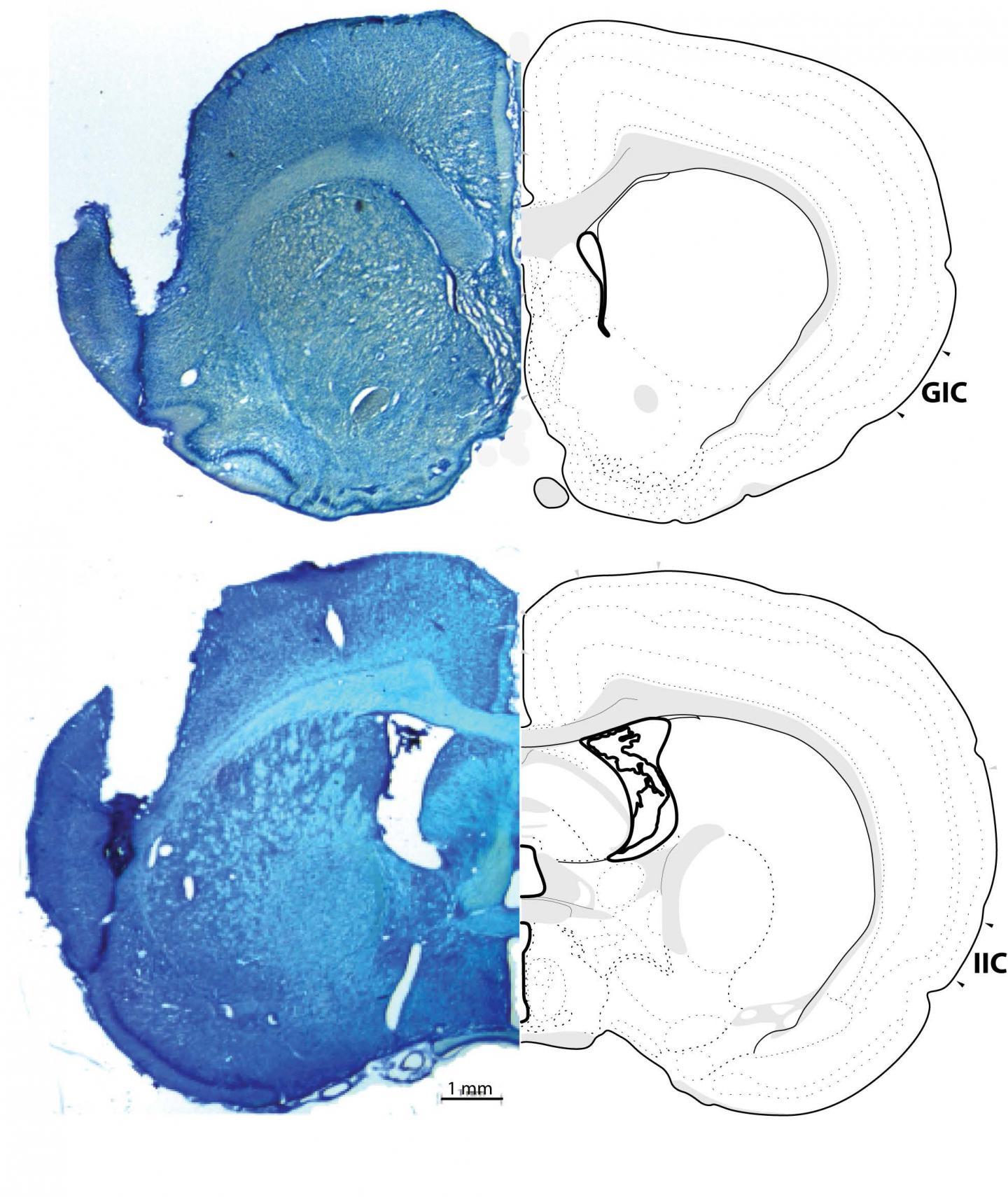
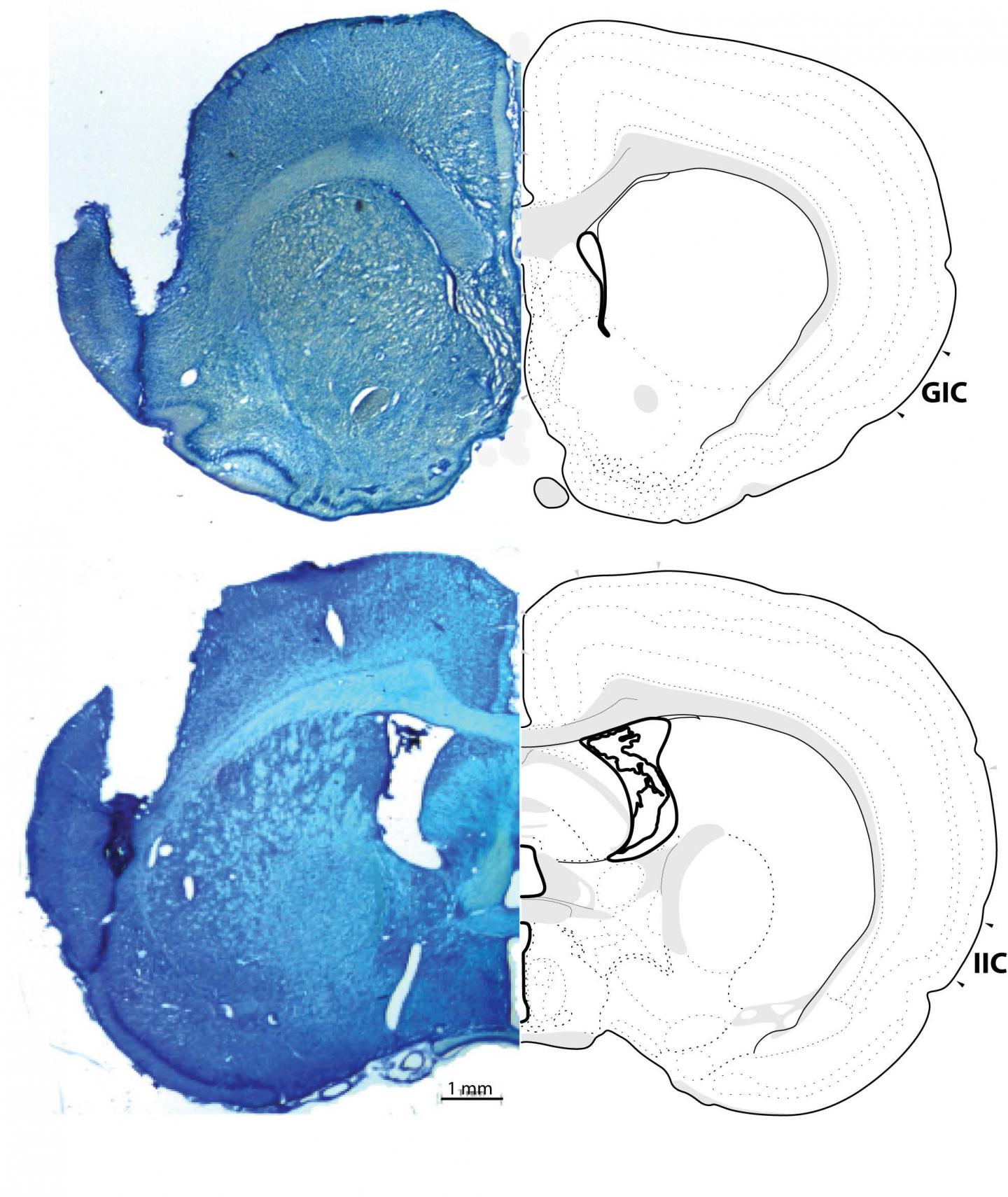
IMAGE

Credit: Limebeer et al., eNeuro (2018)

A non-psychoactive compound derived from marijuana could potentially be developed into new anti-nausea treatments for cancer patients receiving chemotherapy, suggests research in rats published in eNeuro. The study represents an advance in understanding the neurobiology of this distressing symptom that accompanies vomiting but is not effectively treated by current drugs.

Linda Parker and colleagues observed a surge in levels of the neurotransmitter serotonin in the rat interoceptive insular cortex (IIC) — a brain region responsible for nausea in humans — following injection with the nauseating chemical compound lithium chloride. This increase in serotonin and subsequent gaping behavior (a behavior displayed by rodents to flavors paired with a nauseating treatments) was prevented by treatment with cannabidiol — a form of cannabis that does not contain the component found in recreational marijuana responsible for the drug's psychotropic effects. Treatment with a drug that elevates the endogenous cannabinoid, 2-AG, also prevented the elevation of serotonin in the IIC by activating the cannabinoid type 1 receptor. These findings implicate the endocannabinoid system and IIC serotonin release in the sensation of nausea, opening up new therapeutic opportunities to explore in future research.

###

Article: Nausea-induced 5-HT release in the interoceptive insular cortex and regulation by monoacylglycerol lipase (MAGL) inhibition and cannabidiol DOI: https://doi.org/10.1523/ENEURO.0256-18.2018 Corresponding author: Linda Parker (University of Guelph, Canada), [email protected] or (519) 400-2909

About eNeuro

eNeuro, the Society for Neuroscience's open-access journal launched in 2014, publishes rigorous neuroscience research with double-blind peer review that masks the identity of both the authors and reviewers, minimizing the potential for implicit biases. eNeuro is distinguished by a broader scope and balanced perspective achieved by publishing negative results, failure to replicate or replication studies. New research, computational neuroscience, theories and methods are also published.

About The Society for Neuroscience

The Society for Neuroscience is the world's largest organization of scientists and physicians devoted to understanding the brain and nervous system. The nonprofit organization, founded in 1969, now has nearly 37,000 members in more than 90 countries and over 130 chapters worldwide.

Media Contact

David Barnstone
[email protected]
202-962-4000
@SfNJournals

http://www.sfn.org

Related Journal Article

http://dx.doi.org/10.1523/ENEURO.0256-18.2018

Share12Tweet8Share2ShareShareShare2

Related Posts

Dual-oxygen pancreatic cancer organoids mirror basal-classical diversity, spatial transcriptomics confirms

Dual-oxygen pancreatic cancer organoids mirror basal-classical diversity, spatial transcriptomics confirms

August 23, 2026

Consensus Roadmap Guides Clinical Trials for Rare Childhood CNS Tumors

August 22, 2026

Blood-camouflaged liquid metal nanoparticles combat aggressive breast cancer

August 22, 2026

GPR52’s Role in Breast Cancer Cell Organization and Collective Invasion

August 22, 2026
Please login to join discussion

POPULAR NEWS

  • Blocking glucosylceramide production kills cancer cells via lysosomal dysfunction, not ceramide buildup

    29 shares
    Share 12 Tweet 7
  • ZCCHC4 boosts replication-dependent histone mRNA translation by interacting with eIF3

    29 shares
    Share 12 Tweet 7
  • KAIST Surface Defects Boost Droplet Formation, Removal, and Heat Transfer by 5.5-Fold

    29 shares
    Share 12 Tweet 7
  • Dual-oxygen pancreatic cancer organoids mirror basal-classical diversity, spatial transcriptomics confirms

    29 shares
    Share 12 Tweet 7

About

We bring you the latest biotechnology news from best research centers and universities around the world. Check our website.

Follow us

Recent News

Blocking glucosylceramide production kills cancer cells via lysosomal dysfunction, not ceramide buildup

ZCCHC4 boosts replication-dependent histone mRNA translation by interacting with eIF3

KAIST Surface Defects Boost Droplet Formation, Removal, and Heat Transfer by 5.5-Fold

Subscribe to Blog via Email

Success! An email was just sent to confirm your subscription. Please find the email now and click 'Confirm' to start subscribing.

Join 85 other subscribers
  • Contact Us

Bioengineer.org © Copyright 2023 All Rights Reserved.

Welcome Back!

Login to your account below

Forgotten Password?

Retrieve your password

Please enter your username or email address to reset your password.

Log In
No Result
View All Result
  • Homepages
    • Home Page 1
    • Home Page 2
  • News
  • National
  • Business
  • Health
  • Lifestyle
  • Science

Bioengineer.org © Copyright 2023 All Rights Reserved.