


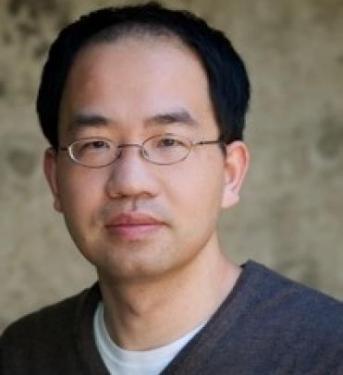
Credit: UT Health San Antonio
Cancer biologists at the Mays Cancer Center, home to UT Health San Antonio MD Anderson, have identified important drivers that enable tumors to change their behavior and evade anticancer therapies.
By studying tumors in cell lines, mice and human samples, the team documented genetic signals that promote the conversion of cancer cells from one stage to another. The journal Nature Cell Biology published the research May 18.
“Although we focused on breast cancer in this study, we believe the identified mechanism can apply to all treatment-resistant cancers,” said study senior author Zhijie “Jason” Liu, Ph.D., assistant professor of molecular medicine in the Long School of Medicine at UT Health San Antonio. He is a research member of the Mays Cancer Center.
“The same phenomenon is happening in lung cancer, prostate cancer and many other cancers,” Dr. Liu said.
More dangerous
The ability of cancer cells to take different shapes, to grow faster or slower, and to vary in size is called “phenotypic plasticity.” Cancers that acquire plasticity often are more dangerous, becoming metastatic and resistant to many targeted therapies, Dr. Liu said.
The team’s next step is to screen new drugs, in the form of small molecules, that disrupt the genetic signals underlying tumor plasticity. Such a drug could be administered along with current targeted therapies to eliminate the problem of resistance to those treatments, Dr. Liu said.
“If we target the drivers of phenotypic plasticity, we may increase the effectiveness of many therapies and cure more cancers,” Dr. Liu said.
The team is led by Dr. Liu and his long-term collaborator Lizhen Chen, Ph.D., an assistant professor in the Sam and Ann Barshop Institute for Longevity and Aging Studies and the Department of Cell Systems and Anatomy at UT Health San Antonio. They collaborated with researchers in Paris, France, and Shanghai, China, who provided human patient tumor samples for the project.
Acknowledgments
Funding is from the Cancer Prevention and Research Institute of Texas, the V Foundation, the Max and Minnie Tomerlin Voelcker Fund, Susan G. Komen, the National Cancer Institute, the National Institute of General Medical Sciences and The University of Texas System.
Bi, M., Zhang, Z., Jiang, Y. et al. Enhancer reprogramming driven by high-order assemblies of transcription factors promotes phenotypic plasticity and breast cancer endocrine resistance. Nat Cell Biol (2020). https:/
About us
The Long School of Medicine at The University of Texas Health Science Center at San Antonio is named for Texas philanthropists Joe R. and Teresa Lozano Long. The school is the largest educator of physicians in South Texas, many of whom remain in San Antonio and the region to practice medicine. The school teaches more than 900 students and trains 800 residents each year. As a beacon of multicultural sensitivity, the school annually exceeds the national medical school average of Hispanic students enrolled. The school’s clinical practice is the largest multidisciplinary medical group in South Texas with 850 physicians in more than 100 specialties. The school has a highly productive research enterprise where world leaders in Alzheimer’s disease, diabetes, cancer, aging, heart disease, kidney disease and many other fields are translating molecular discoveries into new therapies. The Long School of Medicine is home to a National Cancer Institute-designated cancer center known for prolific clinical trials and drug development programs, as well as a world-renowned center for aging and related diseases.
The University of Texas Health Science Center at San Antonio, also referred to as UT Health San Antonio, is one of the country’s leading health sciences universities and is designated as a Hispanic-Serving Institution by the U.S. Department of Education. With missions of teaching, research, patient care and community engagement, its schools of medicine, nursing, dentistry, health professions and graduate biomedical sciences have graduated more than 37,000 alumni who are leading change, advancing their fields, and renewing hope for patients and their families throughout South Texas and the world. To learn about the many ways “We make lives better®,” visit www.uthscsa.edu.
Stay connected with The University of Texas Health Science Center at San Antonio on Facebook, Twitter, LinkedIn, Instagram and YouTube
Media Contact
Will Sansom
[email protected]
Original Source
https:/
Related Journal Article
http://dx.



