A groundbreaking advance in the treatment of acute myeloid leukemia (AML) heralds a new era in immunotherapy, addressing a long-standing challenge of targeting cancer cells without destroying the critical healthy blood-forming cells patients need to survive. AML, characterized by the uncontrolled growth of abnormal myeloid cells in the bone marrow and blood, has remained notoriously difficult to treat effectively without severe side effects. The crux of the difficulty lies in the overlap of targetable proteins on both leukemia cells and the healthy hematopoietic stem cells, resulting in therapies that can inadvertently impair bone marrow function.
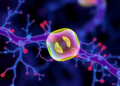
Researchers at Memorial Sloan Kettering Cancer Center (MSK) have now introduced an innovative CAR T cell therapy that distinguishes itself by targeting a protein uniquely expressed on the surface of leukemia cells but absent from healthy blood progenitors. This selectivity arises from exploiting a protein called U5 snRNP200, a component usually confined within the nucleus but intriguingly translocated to the cancer cell surface in nearly half of AML patients. The presence of this protein on the external membrane deviates from classical cell biology paradigms, opening a therapeutic window previously unrecognized.
The team’s approach leveraged antibodies derived from AML patients who had undergone bone marrow transplantation and experienced long-term remission. These antibodies, which naturally target the aberrant U5 snRNP200 expressing leukemia cells, provided the molecular blueprint to engineer chimeric antigen receptor (CAR) T cells. By integrating the precise antigen-binding domains of these antibodies, scientists created CAR T cells that mimic the body’s most effective immune response—the graft-versus-leukemia effect—without debilitating healthy hematopoiesis.
Operationalizing this discovery required sophisticated genetic engineering. The CAR T cells were “armored” by inserting genes encoding interleukin-18 (IL-18), a pro-inflammatory cytokine that enhances immune activation. IL-18 secretion serves a dual function: it not only amplifies the presentation of the U5 snRNP200 protein on leukemia surfaces by inducing cellular stress responses but also invigorates the broader immune microenvironment, potentiating more robust anti-leukemic effects. This dual mechanism addresses one of the limitations of conventional CAR T therapies—tumor antigen loss and immunosuppressive niches.
Preclinical trials using rigorous animal models demonstrated compelling efficacy. Mice harboring both adult and pediatric AML models showed complete remission after CAR T cell treatment, and, notably, they developed immunological memory capable of resisting leukemia reinfection almost a year later. Such durable immunity suggests these CAR T cells not only eradicate existing leukemia but also provide long-term surveillance against relapse, a crucial feature given AML’s notorious recurrence rates.
Beyond AML, these engineered CAR T cells proved effective against B-cell acute lymphoblastic leukemia (B-ALL), a distinct leukemia subtype characterized by the proliferation of immature B cells. Strikingly, around 90% of B-ALL samples expressed the U5 snRNP200 protein, validating this antigen as a versatile target across multiple blood cancers. Importantly, the therapy effectively targeted B-ALL cells resistant to current CD19-targeting CAR T cells, overcoming a key mechanism of treatment failure and relapse.
The discovery stems from a paradigm shift—rather than focusing solely on mechanisms causing treatment resistance, the research team sought to understand and harness what contributes to patient survival. By decoding the natural immune defenses of patients in remission, they designed a therapy that reproduces and augments nature’s most efficacious immunological responses. This biomimetic strategy represents a conceptual advance in cancer immunotherapy design.
Further strategic advantages of this method include the essential nature and intracellular origin of the U5 snRNP200 protein, which significantly reduces the likelihood of antigen escape mutants emerging—a common and serious challenge in CAR T cell therapies. Since the protein is vital for cellular survival and is typically intracellular, leukemia cells cannot simply downregulate its expression without compromising their viability, ensuring sustained therapeutic targeting.
Although these findings are preliminary and derived from animal models, the safety profile looks promising. By sparing normal hematopoietic progenitor cells and minimizing off-target effects, this approach could redefine the therapeutic index for aggressive leukemias. Researchers at MSK are now advancing preparations for an Investigational New Drug (IND) application to the U.S. Food and Drug Administration (FDA), a requisite phase before human clinical trials can commence.
Commercial and philanthropic partnerships are being sought to accelerate the pathway from bench to bedside. The translation of this therapy into clinical practice could ultimately improve the survival rates of AML patients, a population for whom only about 30% survive beyond five years post-diagnosis, underscoring the urgent need for novel, durable, and safer treatments.
Expert commentary from Dr. Anthony Daniyan, a lead investigator and hematologist at MSK, underscores the novelty and clinical promise of this therapy. Dr. Daniyan highlights the mystery around the anomalous surface localization of U5 snRNP200 and the ingenious way the team exploited this to overcome prior therapeutic barriers. Meanwhile, Dr. Omar Abdel-Wahab emphasizes the importance of deriving insights from successful patient outcomes, presenting a fresh perspective on tackling leukemia immunotherapy.
This breakthrough not only exemplifies next-generation cancer immunotherapy but also demonstrates the immense value of integrating immunology, molecular genetics, and clinical observation into a cohesive development process. The innovative CAR T cell therapy targeting a surface RNA-binding protein could revolutionize the management of aggressive blood cancers and inspire similar approaches across oncology.
Subject of Research: Development of CAR T cells targeting a surface RNA-binding protein for acute leukemias
Article Title: Development of CAR T cells Targeting a Surface RNA Binding Protein for the Treatment of Acute Leukemias
News Publication Date: April 30, 2026
Web References:
Memorial Sloan Kettering Cancer Center: https://www.mskcc.org
CAR T cell therapy info: https://www.mskcc.org/cancer-care/diagnosis-treatment/cancer-treatments/immunotherapy/car-cell-therapy
Published study: https://aacrjournals.org/cancerdiscovery/article/doi/10.1158/2159-8290.CD-25-0920/784642/
References:
Daniyan, A. et al. “Development of CAR T cells Targeting a Surface RNA Binding Protein for the Treatment of Acute Leukemias.” Cancer Discovery, April 30, 2026. DOI: 10.1158/2159-8290.CD-25-0920
Image Credits: Memorial Sloan Kettering Cancer Center
Keywords: Acute Myeloid Leukemia, CAR T cell therapy, Immunotherapy, U5 snRNP200, Leukemia, Cancer Discovery, Bone marrow transplantation, Graft-versus-leukemia effect, IL-18, B-ALL, Cancer immunology, Targeted therapy
Tags: advanced therapies for acute myeloid leukemiabone marrow transplantation in AMLcancer cell surface biomarkersCAR T cell therapy for AMLimmunotherapy breakthroughs in blood cancersMemorial Sloan Kettering AML researchnovel AML treatment strategiesovercoming hematopoietic stem cell toxicityselective targeting of leukemia cellssurface protein translocation in cancer cellstargeted immunotherapy in leukemiaU5 snRNP200 protein in cancer