• HOME
  • NEWS
  • EXPLORE
    • CAREER
      • Companies
      • Jobs
    • EVENTS
    • iGEM
      • News
      • Team
    • PHOTOS
    • VIDEO
    • WIKI
  • BLOG
  • COMMUNITY
    • FACEBOOK
    • INSTAGRAM
    • TWITTER
Sunday, May 10, 2026
BIOENGINEER.ORG
No Result
View All Result
  • Login
  • HOME
  • NEWS
  • EXPLORE
    • CAREER
      • Companies
      • Jobs
        • Lecturer
        • PhD Studentship
        • Postdoc
        • Research Assistant
    • EVENTS
    • iGEM
      • News
      • Team
    • PHOTOS
    • VIDEO
    • WIKI
  • BLOG
  • COMMUNITY
    • FACEBOOK
    • INSTAGRAM
    • TWITTER
  • HOME
  • NEWS
  • EXPLORE
    • CAREER
      • Companies
      • Jobs
        • Lecturer
        • PhD Studentship
        • Postdoc
        • Research Assistant
    • EVENTS
    • iGEM
      • News
      • Team
    • PHOTOS
    • VIDEO
    • WIKI
  • BLOG
  • COMMUNITY
    • FACEBOOK
    • INSTAGRAM
    • TWITTER
No Result
View All Result
Bioengineer.org
No Result
View All Result
Home NEWS Science News Health

‘Break a leg’ not so lucky when it leads to limb deformities

Bioengineer by Bioengineer
March 25, 2021
in Health
Reading Time: 2 mins read
0
IMAGE
Share on FacebookShare on TwitterShare on LinkedinShare on RedditShare on Telegram

Surgery could be eliminated
IMAGE

Credit: University of South Australia

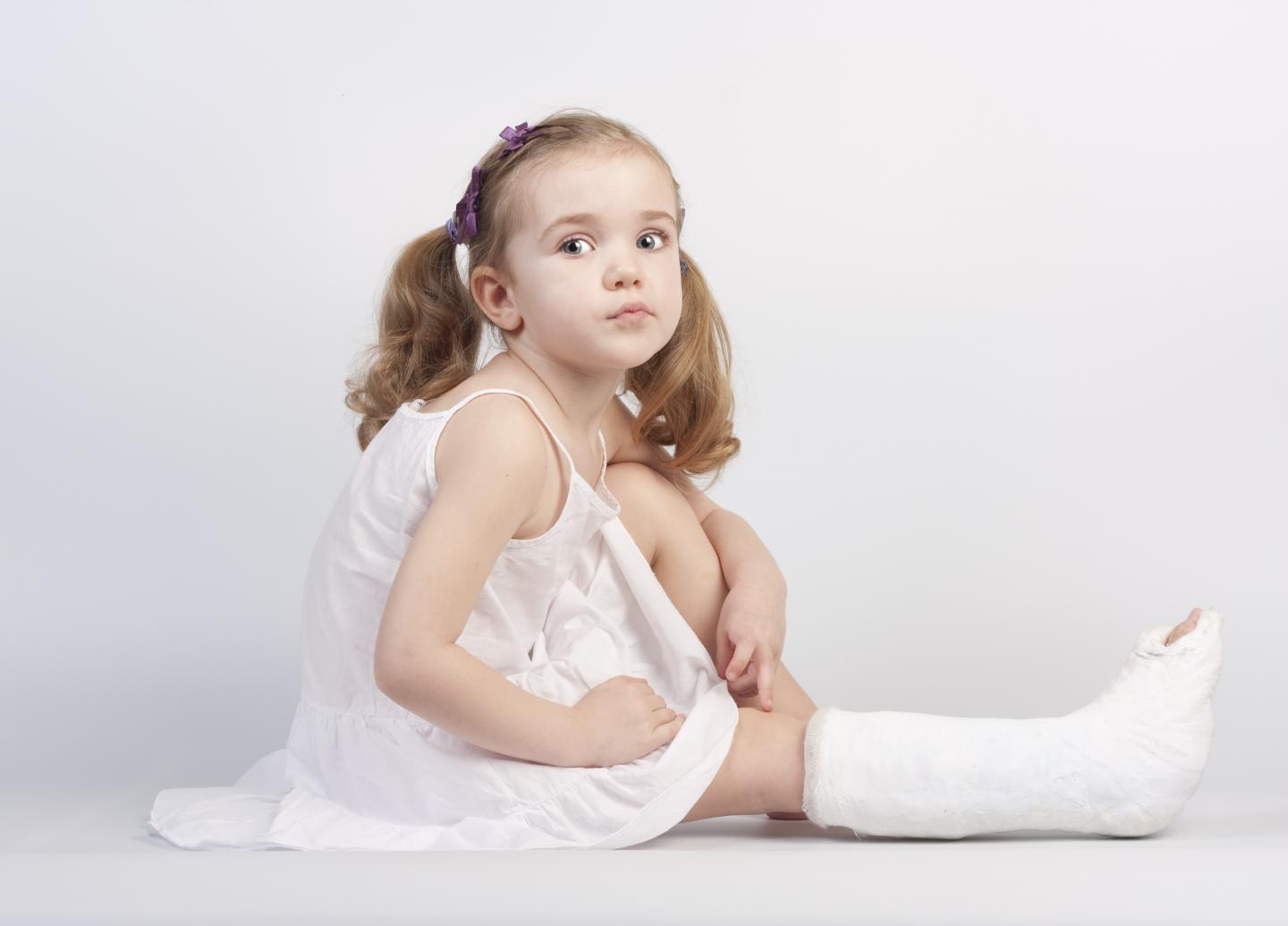
Orthopaedic researchers are one step closer to preventing life-long arm and leg deformities from childhood fractures that do not heal properly.

A new study led by the University of South Australia and published in the journal Bone, sheds light on the role that a protein plays in this process.

Lead author Dr Michelle Su says that because children’s bones are still growing, an injury to the growth plate can lead to a limb in a shortened position, compared to the unaffected side.

“Cartilage tissue near the ends of long bones is known as the growth plate that is responsible for bone growth in children and, unfortunately, 30 per cent of childhood and teen fractures involve this growth plate which is highly susceptible to injuries,” Dr Su says.

Instead of the rubbery cartilage tissue regenerating, bone tissue lodges in and around the injury site, causing different limb lengths and angulations.

Researchers from Adelaide, Perth and Shanghai used a rat model to investigate the role of this protein called bone morphogenetic protein (BMP). Dr Su says scientists are aware of the importance of BMP in bone development and normal bone fracture healing, but little is known about its role in growth plate repair.

The researchers found that levels of BMP were greater at the injured growth plate, and that inhibiting BMP suppressed growth plate bony repair and prevented degeneration of the surrounding uninjured region.

“This finding could be the first step in creating a biological treatment in place of correcting deformities by surgery, which can be complicated, extremely invasive and often ineffective,” Dr Su says.

Surgery involves inserting pins, plates, wires or screws to correct the damaged limbs, with a long period of recovery, which is not 100 per cent guaranteed.

“Further studies are needed to pinpoint the exact BMP members and other signalling components that are involved in causing the growth plate dysrepair,” she adds.

Falls account for close to half (46 per cent) or around 30,000 hospitalised injury cases involving children every year in Australia, according to the Australian Institute of Health and Welfare.

Overall, boys are 1.5 times more likely to sustain fractures than girls, but this varies with age – from 1.3 times for those aged between 0-4 and 1.8 times for those aged 10-14 years.

###

Media Contact
Candy Gibson
[email protected]

Original Source

https://www.unisa.edu.au/Media-Centre/Releases/2021/break-a-leg-not-so-lucky-when-it-leads-to-limb-deformities/

Related Journal Article

http://dx.doi.org/10.1016/j.bone.2021.115874

Tags: Medicine/HealthOrthopedic MedicinePediatricsSurgeryTrauma/Injury
Share12Tweet8Share2ShareShareShare2

Related Posts

Evaluating Digoxin Use in Patients with Symptomatic Rheumatic Heart Disease

May 10, 2026

Evaluating the Effectiveness and Safety of Digitalis Glycosides in Treating Heart Failure

May 10, 2026

Urdu Fall Risk Questionnaire Adapted for Elderly

May 10, 2026

Key Pharmacological Markers for HIV Prevention in MSM

May 10, 2026
Please login to join discussion

POPULAR NEWS

  • Research Indicates Potential Connection Between Prenatal Medication Exposure and Elevated Autism Risk

    840 shares
    Share 336 Tweet 210
  • New Study Reveals Plants Can Detect the Sound of Rain

    727 shares
    Share 290 Tweet 181
  • Scientists Investigate Possible Connection Between COVID-19 and Increased Lung Cancer Risk

    68 shares
    Share 27 Tweet 17
  • Salmonella Haem Blocks Macrophages, Boosts Infection

    61 shares
    Share 24 Tweet 15

About

We bring you the latest biotechnology news from best research centers and universities around the world. Check our website.

Follow us

Recent News

Evaluating Digoxin Use in Patients with Symptomatic Rheumatic Heart Disease

Evaluating the Effectiveness and Safety of Digitalis Glycosides in Treating Heart Failure

Urdu Fall Risk Questionnaire Adapted for Elderly

Subscribe to Blog via Email

Enter your email address to subscribe to this blog and receive notifications of new posts by email.

Join 82 other subscribers
  • Contact Us

Bioengineer.org © Copyright 2023 All Rights Reserved.

Welcome Back!

Login to your account below

Forgotten Password?

Retrieve your password

Please enter your username or email address to reset your password.

Log In
No Result
View All Result
  • Homepages
    • Home Page 1
    • Home Page 2
  • News
  • National
  • Business
  • Health
  • Lifestyle
  • Science

Bioengineer.org © Copyright 2023 All Rights Reserved.