• HOME
  • NEWS
  • EXPLORE
    • CAREER
      • Companies
      • Jobs
    • EVENTS
    • iGEM
      • News
      • Team
    • PHOTOS
    • VIDEO
    • WIKI
  • BLOG
  • COMMUNITY
    • FACEBOOK
    • INSTAGRAM
    • TWITTER
Saturday, October 24, 2026
BIOENGINEER.ORG
No Result
View All Result
  • Login
  • HOME
  • NEWS
  • EXPLORE
    • CAREER
      • Companies
      • Jobs
        • Lecturer
        • PhD Studentship
        • Postdoc
        • Research Assistant
    • EVENTS
    • iGEM
      • News
      • Team
    • PHOTOS
    • VIDEO
    • WIKI
  • BLOG
  • COMMUNITY
    • FACEBOOK
    • INSTAGRAM
    • TWITTER
No Result
View All Result
Bioengineer.org
No Result
View All Result
Home NEWS Science News Biology

Brain rewires energy metabolism to protect memory in late-stage sleeping sickness

by
October 24, 2026
in Biology, Health
Reading Time: 2 mins read
0
Brain rewires energy metabolism to protect memory in late-stage sleeping sickness

Brain rewires energy metabolism to protect memory in late-stage sleeping sickness

Share on FacebookShare on TwitterShare on LinkedinShare on RedditShare on Telegram

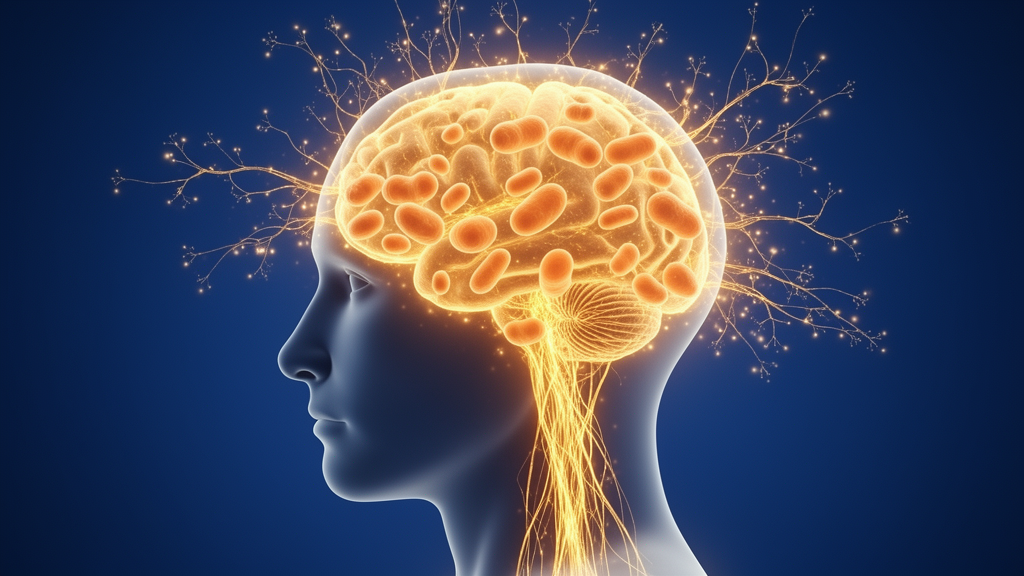
Human African trypanosomiasis, caused by the parasite Trypanosoma brucei, unfolds in two stages. In stage I, trypanosomes circulate in the blood, lymph and tissue interstitial spaces. The infection progresses to stage II when the parasites invade the central nervous system, producing behavioural aberrations that can proceed to coma and death. Using a bioluminescent murine model of the disease, researchers tracked parasite localisation alongside changes in host brain gene expression, metabolism, function and behaviour over the course of infection, and found that the brain undergoes a striking metabolic reprogramming during late-stage disease rather than a simple collapse of function.

The model reproduced the decrease in brain tryptophan that is well established in clinical samples from patients. More notably, the study reports for the first time an unprecedented 1.8-fold decrease in global brain glucose metabolism during stage II infection. This shift away from glucose was accompanied by an 18-fold decrease in brain insulin transcripts, although the pathways regulating the cellular responses to insulin were unchanged. By contrast, genes involved in fatty acid and lipid metabolism were upregulated in the brain during stage II, pointing to an alternative fuel supply being recruited.

Transcriptional programmes regulating mitochondrial metabolism were shown to adapt dynamically across the time course of infection, ultimately producing a programme that diverts host brain metabolism away from glycolysis during stage II. Taken together, the data demonstrate a reprogramming of brain energy metabolism that favours the utilisation of fatty acids and lipids to meet the brain’s energy demands, with a reduced reliance on glucose. The authors suggest this enables the brain to draw on adipose reserves to maintain core functions while glucose metabolism is suppressed.

Despite these profound neurometabolic changes, host anxiety-like behaviour was unchanged and episodic learning and memory were not impaired in the infected animals. The researchers propose that this metabolic reprogramming may explain the progressive onset of neurological symptoms in HAT patients, and that understanding the switch could inform the development of therapeutic interventions to alleviate those symptoms. The findings come from a murine model, so their translation to human disease will require further validation.

Subject of Research: Brain metabolic reprogramming during late-stage Trypanosoma brucei infection in a murine model of human African trypanosomiasis

Article Title: Adaptive metabolic reprogramming of the brain tissue during late-stage Trypanosoma brucei infection maintains host learning and memory

Article References: Fathallah, N., Barnes, C., Chatwin, R., Whittingham-Dowd, J., Worthington, J. J., Jackson-Jones, L., Dawson, N., & Urbaniak, M. D. (2026). Adaptive metabolic reprogramming of the brain tissue during late-stage Trypanosoma brucei infection maintains host learning and memory. PLOS Pathogens, 22(10), e1014734. https://doi.org/10.1371/journal.ppat.1014734

Image Credits: AI Generated

DOI: 10.1371/journal.ppat.1014734

Keywords: Trypanosoma brucei, human African trypanosomiasis, sleeping sickness, brain metabolism, glucose metabolism, fatty acid metabolism, mitochondrial reprogramming, insulin transcripts, tryptophan, learning and memory, murine model, central nervous system

News Source: Cassandra Pierce. (October 24, 2026). Brain rewires energy metabolism to protect memory in late-stage sleeping sickness. Scienmag.


Tags: brain metabolismcentral nervous systemfatty acid metabolismGlucose Metabolismhuman African trypanosomiasisinsulin transcriptslearning and memorymitochondrial reprogrammingmurine modelsleeping sicknessTrypanosoma bruceitryptophan
Share12Tweet7Share2ShareShareShare1

Related Posts

Signed Distance Maps Sharpen Tissue Boundary Segmentation in Breast Cancer Slides

Signed Distance Maps Sharpen Tissue Boundary Segmentation in Breast Cancer Slides

October 24, 2026
MicroRNAs That Steer Neuroblastoma Cell Differentiation Emerge as Future Therapy Candidates

MicroRNAs That Steer Neuroblastoma Cell Differentiation Emerge as Future Therapy Candidates

October 24, 2026

Classic 1980s arcade game validated as a window into executive functions

October 24, 2026

Blood Markers and Imaging May Flag Lavage Need in Severe Mycoplasma Pneumonia

October 24, 2026

POPULAR NEWS

  • Cancer cells evade chemotherapy by entering zombie-like senescent state

    Cancer cells evade chemotherapy by entering zombie-like senescent state

    29 shares
    Share 12 Tweet 7
  • Brain rewires energy metabolism to protect memory in late-stage sleeping sickness

    29 shares
    Share 12 Tweet 7
  • Signed Distance Maps Sharpen Tissue Boundary Segmentation in Breast Cancer Slides

    29 shares
    Share 12 Tweet 7
  • MicroRNAs That Steer Neuroblastoma Cell Differentiation Emerge as Future Therapy Candidates

    29 shares
    Share 12 Tweet 7

About

We bring you the latest biotechnology news from best research centers and universities around the world. Check our website.

Follow us

Recent News

Cancer cells evade chemotherapy by entering zombie-like senescent state

Brain rewires energy metabolism to protect memory in late-stage sleeping sickness

Signed Distance Maps Sharpen Tissue Boundary Segmentation in Breast Cancer Slides

Subscribe to Blog via Email

Enter your email address to subscribe to this blog and receive notifications of new posts by email.

Join 85 other subscribers
  • Contact Us

Bioengineer.org © Copyright 2023 All Rights Reserved.

Welcome Back!

Login to your account below

Forgotten Password?

Retrieve your password

Please enter your username or email address to reset your password.

Log In
No Result
View All Result
  • Homepages
    • Home Page 1
    • Home Page 2
  • News
  • National
  • Business
  • Health
  • Lifestyle
  • Science

Bioengineer.org © Copyright 2023 All Rights Reserved.