• HOME
  • NEWS
  • EXPLORE
    • CAREER
      • Companies
      • Jobs
    • EVENTS
    • iGEM
      • News
      • Team
    • PHOTOS
    • VIDEO
    • WIKI
  • BLOG
  • COMMUNITY
    • FACEBOOK
    • INSTAGRAM
    • TWITTER
Sunday, May 10, 2026
BIOENGINEER.ORG
No Result
View All Result
  • Login
  • HOME
  • NEWS
  • EXPLORE
    • CAREER
      • Companies
      • Jobs
        • Lecturer
        • PhD Studentship
        • Postdoc
        • Research Assistant
    • EVENTS
    • iGEM
      • News
      • Team
    • PHOTOS
    • VIDEO
    • WIKI
  • BLOG
  • COMMUNITY
    • FACEBOOK
    • INSTAGRAM
    • TWITTER
  • HOME
  • NEWS
  • EXPLORE
    • CAREER
      • Companies
      • Jobs
        • Lecturer
        • PhD Studentship
        • Postdoc
        • Research Assistant
    • EVENTS
    • iGEM
      • News
      • Team
    • PHOTOS
    • VIDEO
    • WIKI
  • BLOG
  • COMMUNITY
    • FACEBOOK
    • INSTAGRAM
    • TWITTER
No Result
View All Result
Bioengineer.org
No Result
View All Result
Home NEWS Science News Chemistry

Biomedical sciences researcher gets $2.3 million grant to study inflammation in infectious diseases

Bioengineer by Bioengineer
April 21, 2021
in Chemistry
Reading Time: 2 mins read
0
IMAGE
Share on FacebookShare on TwitterShare on LinkedinShare on RedditShare on Telegram

IMAGE

Credit: Georgia State University

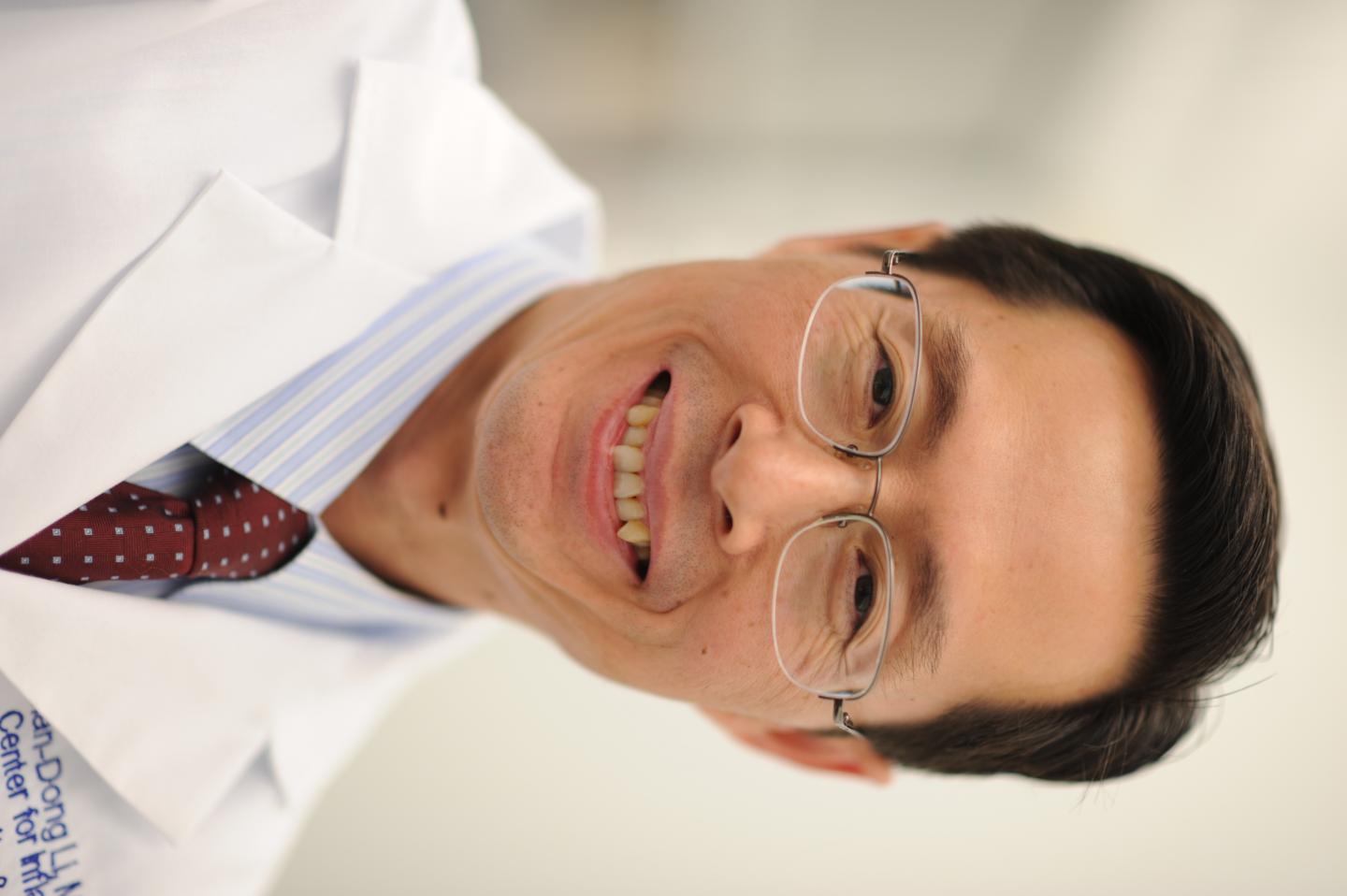
ATLANTA–Dr. Jian-Dong Li, professor and director of the Institute for Biomedical Sciences at Georgia State University, has received a five-year, $2.3 million federal grant to study how overactive inflammatory response is caused in infectious diseases and to further develop novel anti-inflammatory therapeutics.

The grant from the National Institutes of Health’s National Institute on Deafness and Other Communication Disorders will be used to understand excess mucus production and inflammation in otitis media, an infection of the middle ear, the air-filled space behind the eardrum.

Otitis media, the most common childhood bacterial infection and the leading cause of conductive hearing loss in children, remains a major health problem and substantial socioeconomic burden. Current vaccines targeting Streptococcus pneumoniae, a key bacterial pathogen causing this infectious disease, have a limited impact. The inappropriate use of antibiotics also has led to increased antibiotic resistance.

“There is an urgent need for developing innovative non-antibiotic therapeutic agents for suppressing excess mucus overproduction and inflammation in otitis media,” said Li, also a Georgia Research Alliance Eminent Scholar in Inflammation and Immunity.

Mucin, a major protein component in mucus, plays a central role in mucosal defense by providing a physical barrier and trapping pathogens. However, if uncontrolled, excessive mucin production can cause conductive hearing loss in middle ear infection and mucus obstruction in lung infections.

Mucin needs to be tightly regulated, but the molecular mechanisms for tight regulation of mucin production remain largely unknown. Understanding the key regulators that increase mucin production may help to identify novel therapeutic targets and lead to the development of new therapeutic agents for suppressing mucus.

“Our goal is to elucidate the molecular mechanisms underlying otitis media pathogenesis and identify novel therapeutic targets towards developing a novel ototopical eardrop for treating inflammation and mucus overproduction and improving hearing,” Li said.

For more information about the grant, visit https://reporter.nih.gov/search/e43SHnRTL0qhCnUx7Seo4A/project-details/10229198.

###

Media Contact
LaTina Emerson
[email protected]

Original Source

https://news.gsu.edu/2021/04/20/biomedical-sciences-researcher-gets-2-3-million-federal-grant-to-study-inflammation-in-infectious-diseases/

Tags: Hearing/SpeechInfectious/Emerging DiseasesMedicine/HealthPediatricsPharmaceutical Science
Share12Tweet8Share2ShareShareShare2

Related Posts

Miniature Sensor Uses Light to Detect Touch — Chemistry

Miniature Sensor Uses Light to Detect Touch

May 8, 2026
Iron Minerals Determine Whether Dissolved Organic Matter Fuels Microbes or Becomes Long-Term Carbon Storage — Chemistry

Iron Minerals Determine Whether Dissolved Organic Matter Fuels Microbes or Becomes Long-Term Carbon Storage

May 8, 2026

Kate Evans Appointed Associate Lab Director for Biological and Environmental Systems Science at ORNL

May 8, 2026

Advancing Multiscale Modeling and Overcoming Operational Challenges in Autothermal COâ‚‚-to-Methanol Reactors

May 8, 2026
Please login to join discussion

POPULAR NEWS

  • Research Indicates Potential Connection Between Prenatal Medication Exposure and Elevated Autism Risk

    840 shares
    Share 336 Tweet 210
  • New Study Reveals Plants Can Detect the Sound of Rain

    727 shares
    Share 290 Tweet 181
  • Scientists Investigate Possible Connection Between COVID-19 and Increased Lung Cancer Risk

    68 shares
    Share 27 Tweet 17
  • Salmonella Haem Blocks Macrophages, Boosts Infection

    61 shares
    Share 24 Tweet 15

About

We bring you the latest biotechnology news from best research centers and universities around the world. Check our website.

Follow us

Recent News

Urdu Fall Risk Questionnaire Adapted for Elderly

Key Pharmacological Markers for HIV Prevention in MSM

Taking 8,500 Steps Daily May Aid Long-Term Weight Management, Study Finds

Subscribe to Blog via Email

Success! An email was just sent to confirm your subscription. Please find the email now and click 'Confirm' to start subscribing.

Join 82 other subscribers
  • Contact Us

Bioengineer.org © Copyright 2023 All Rights Reserved.

Welcome Back!

Login to your account below

Forgotten Password?

Retrieve your password

Please enter your username or email address to reset your password.

Log In
No Result
View All Result
  • Homepages
    • Home Page 1
    • Home Page 2
  • News
  • National
  • Business
  • Health
  • Lifestyle
  • Science

Bioengineer.org © Copyright 2023 All Rights Reserved.