A critical narrative review published in Frontiers in Bioengineering and Biotechnology examines how bioengineering platforms might address persistent gaps in pulmonary rehabilitation for chronic respiratory diseases. The study, led by researchers from institutions in Chengdu and Luzhou, China, argues that while pulmonary rehabilitation is an established and effective intervention, its delivery is often limited by heterogeneous patient responses, incomplete mechanistic understanding, and a lack of real-world monitoring. The authors propose that integrating biomaterials, lung-mimetic models, and wearable biointerfaces could make rehabilitation more measurable, personalized, and clinically translatable, provided these technologies are rigorously validated and positioned as complements to, rather than replacements for, standard guideline-based care.
The review identifies three complementary translational needs that bioengineering may address. First, biomaterials could modulate recovery-relevant pulmonary microenvironments, such as mucus burden or fibrotic stiffness. Second, human-relevant lung models, including organoids and organ-on-chip systems, could be used to test mechanistic hypotheses and safety profiles before clinical trials. Third, wearable biointerfaces could enable continuous measurement of rehabilitation exposure and response in real-world settings. The authors organize these functions within a Trait–Material–Interface–Endpoint framework, which links specific engineering-actionable traits to appropriate platforms, validation requirements, and patient-centered outcomes.
Pulmonary rehabilitation is currently recommended by major clinical guidelines for adults with conditions such as chronic obstructive pulmonary disease, interstitial lung disease, and bronchiectasis. Evidence syntheses support its benefits in improving exercise capacity, reducing dyspnoea, and enhancing health-related quality of life. However, the review highlights that traditional programmes often struggle with access, adherence, and long-term maintenance. Furthermore, average treatment effects can mask substantial patient-level heterogeneity, as different patients may be limited by distinct physiological constraints, such as dynamic hyperinflation, exertional desaturation, or frailty.
To address these limitations, the authors introduce the concept of engineering-actionable traits. These are measurable and modifiable characteristics that have a plausible interface with material design, device architecture, or digital measurement. Examples include mucus-dominant phenotypes, which could be targeted by mucus-penetrating or mucoadhesive materials; hypoxia-dominant phenotypes, which might be studied using oxygen-responsive hydrogels; and fibrotic-stiffness phenotypes, which could be modelled using tunable extracellular matrix mimetics. This trait-based approach aims to move beyond diagnostic labels and focus on the specific biological barriers to functional recovery.
The review emphasizes that biomaterials should be viewed as pulmonary microenvironment modulators or validation tools, rather than proven rehabilitation enhancers. The pulmonary microenvironment presents significant challenges for material delivery, including branching airways, variable ventilation, mucus barriers, and macrophage uptake. The authors note that the conducting airway and alveolar regions are distinct target compartments with different anatomical and physiological characteristics. Consequently, material design must account for aerodynamic behaviour, hygroscopic growth, and disease-specific changes in airway geometry to ensure predictable deposition and biological effect.
Lung-mimetic models, such as airway-on-chip and alveolus-on-chip platforms, offer a bridge between material design and clinical translation. These systems can reproduce physiological features like the air-liquid interface, cyclic deformation, and patient-specific cellular phenotypes. The review argues that model fidelity should be judged by the physiological features they reproduce rather than by platform label alone. By using patient-derived organoids or isogenic stem-cell-derived systems, researchers can test how cells respond to mechanical strain, inflammatory cues, or candidate materials. However, the authors caution that these models are currently preclinical or early translational tools and must be linked prospectively to clinical endpoints to demonstrate their value in rehabilitation research.
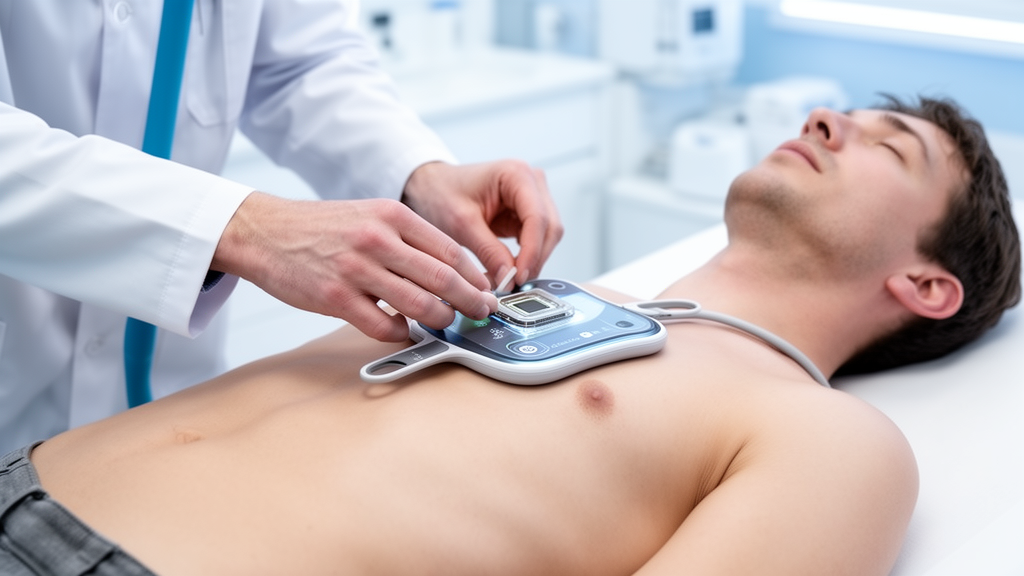
Wearable biointerfaces represent the most clinically proximate bioengineering technology for respiratory rehabilitation. Digital health interventions have shown potential to improve quality of life, self-efficacy, and activity levels in patients with chronic respiratory disease, although effects on exercise capacity and hospitalization remain inconsistent. The review highlights that the material advance lies in soft, breathable, and skin-compatible interfaces that can collect physiological data during ordinary life. These devices can measure respiratory rate, chest-wall motion, cough frequency, and peripheral oxygen saturation. However, the authors stress that digital phenotyping must be interpreted cautiously, as more measured movement does not necessarily equate to better recovery unless it is linked to symptoms, safety, or long-term outcomes.
A significant portion of the review is dedicated to the challenges of validating wearable devices for clinical use. The authors point out that sensor design must account for the human interface, including skin irritation, sweat resistance, and motion artefacts. Pulse oximetry, for instance, requires device-specific and population-representative validation before it can be used to guide rehabilitation intensity. The review notes that optical measurement error may vary with skin pigmentation, perfusion, and motion, and that darker skin pigmentation has been associated with a higher risk of occult hypoxaemia in some clinical datasets. Therefore, rehabilitation studies should prespecify device models, calibration procedures, and escalation thresholds to ensure data reliability.
The authors propose a staged translational validation framework to guide the development of bioengineering-enabled respiratory rehabilitation. This framework includes six stages, from material design and characterization to pragmatic implementation testing in real-world health systems. Each stage has specific go/no-go criteria, ensuring that materials and devices meet safety and performance benchmarks before progressing to the next phase. For example, biomaterial adjuncts require reproducible performance and pulmonary safety testing before human feasibility trials, while wearable biointerfaces require fit-for-purpose measurement validation and usability assessment before decision-rule testing.
The review identifies several major controversies and evidence gaps in the field. One key issue is whether a biomaterial should be described as a rehabilitation enhancer or as a parallel disease-modifying therapy. To support an enhancement claim, trials must demonstrate an interaction with rehabilitation exposure or an incremental improvement beyond the material or rehabilitation component alone. Another controversy concerns the trade-off between biological realism and scalability in lung-mimetic models. Increasing complexity can improve physiological realism but may reduce throughput and reproducibility. The authors argue that model selection should be driven by the specific question being asked, rather than by technological complexity alone.
Equity and sustainability are also highlighted as critical design requirements. The review warns that precision engineering could widen inequity if smart masks, connected sensors, and personalized algorithms are least accessible to patients who already face barriers to rehabilitation. Factors such as connectivity, device cost, digital literacy, and language should be treated as design variables rather than downstream implementation concerns. A platform that performs accurately only among digitally experienced and highly resourced participants may demonstrate technical efficacy while worsening population-level access. Therefore, hybrid pathways that retain telephone, in-person, or caregiver-supported options may be necessary even when the primary intervention is sensor-enabled.
The authors conclude that the next translational phase of respiratory rehabilitation requires interfaces that make recovery measurable and mechanisms that can be tested. Bioengineering platforms can contribute to this transition by modulating microenvironments, modelling mechanisms, and measuring exposure and response. However, their current role should remain complementary to guideline-based care. The key translational requirement is a credible link among an engineering-actionable trait, an appropriate platform and validation strategy, and a patient-centered rehabilitation endpoint. Future studies should use staged safety testing, trait-based enrolment, and validated digital measures to determine whether bioengineering can make respiratory rehabilitation more effective and accessible.
To establish methodological rigor for future translational studies, the review emphasizes established reporting and validation architectures. The authors clarify that their own synthesis was structured as a critical narrative review, utilizing PubMed searches conducted in July 2026 and verified in October 2026 across six core topics without formal certainty grading or statistical pooling. Looking forward, the authors argue that biometric sensing technologies must adhere to the V3 framework of verification, analytical validation, and clinical validation, alongside the expanded V3+ criteria covering usability and patient scalability. Similarly, because materials-assisted programmes represent multi-component interventions, trials should incorporate implementation taxonomies such as the RE-AIM framework to track real-world reach, adoption, maintenance, and healthcare costs alongside clinical efficacy.
A critical consideration highlighted in the analysis is the temporal dimension of pulmonary safety and the complex nano-bio interface. Unlike single-dose drug therapies, respiratory rehabilitation involves repeated exertion over extended time horizons, meaning inhalable materials must withstand cumulative administration without provoking delayed inflammatory responses or impaired mucociliary clearance. Upon deposition in the diseased respiratory tract, engineered nanoparticles interact with surfactant lipids, airway proteins, and inflammatory secretions, forming a dynamic biological corona that can compromise initial targeting capabilities and alter macrophage uptake. Consequently, the authors stress that formulations evaluated successfully under static laboratory conditions must undergo extensive safety screening under simulated disease environments, accounting for altered breathing patterns, repeated exposures, and potential degradation products before entering human trials.
The review also explores how cellular mechanobiology and the lung-muscle axis shape individual rehabilitation trajectories. Lung myofibroblasts can demonstrate mechanical memory, retaining profibrotic activation patterns after previous exposure to stiffened extracellular matrix. This enduring cellular behavior indicates that patients with established fibrotic disease may respond differently to physical training stimuli than those whose exercise limitations stem primarily from reversible deconditioning or airflow obstruction. Moreover, because observed improvements in exercise tolerance frequently reflect peripheral skeletal-muscle conditioning and ventilatory efficiency rather than structural alveolar repair, advanced bioengineering platforms could help untangle these divergent mechanisms. By deploying engineered muscle tissue models, hypoxic hydrogels, and multicellular co-cultures, researchers can isolate systemic metabolic adaptations from pulmonary mechanics, clarifying which functional deficits are modifiable through standard exercise prescription alone.
Subject of Research: Bioengineering platforms for precision respiratory rehabilitation
Article Title: Bioengineering platforms for precision respiratory rehabilitation: biomaterials, lung-mimetic models, and wearable biointerfaces
Article References: Cheng, M., Yan, H., Liu, Y., Wu, X., Zuo, S., Zhao, D., Su, Y., He, L., Li, H., Cao, Y., Weng, Y., & Chen, H. (2026). Bioengineering platforms for precision respiratory rehabilitation: biomaterials, lung-mimetic models, and wearable biointerfaces. Frontiers in Bioengineering and Biotechnology, 14, Article 1945770. https://doi.org/10.3389/fbioe.2026.1945770
Image Credits: AI Generated
DOI: 10.3389/fbioe.2026.1945770
Keywords: pulmonary rehabilitation, bioengineering, biomaterials, lung-on-chip, wearable sensors, chronic respiratory disease, precision medicine, organoids, digital health, mucus penetration, fibrotic stiffness, exertional hypoxaemia, trait-based medicine, clinical validation, patient-centered outcomes
News Source: Gregory Coleman. (November 14, 2026). Bioengineering Platforms May Improve Respiratory Rehabilitation Precision. Scienmag.