Autoimmune diseases arise when the immune system loses tolerance to the body’s own tissues, a breakdown driven by complex interactions among genetic susceptibility, environmental factors, immune dysregulation and tissue damage. A new review published in Molecular Biology Reports argues that understanding these conditions requires looking beyond apoptosis, the classical form of programmed cell death long recognized as central to immune homeostasis. According to the authors, a growing body of evidence points to several non-classical forms of regulated cell death (RCD) that also contribute to autoimmune pathogenesis, including ferroptosis, pyroptosis, necroptosis, PANoptosis, NETosis, parthanatos and cuproptosis.
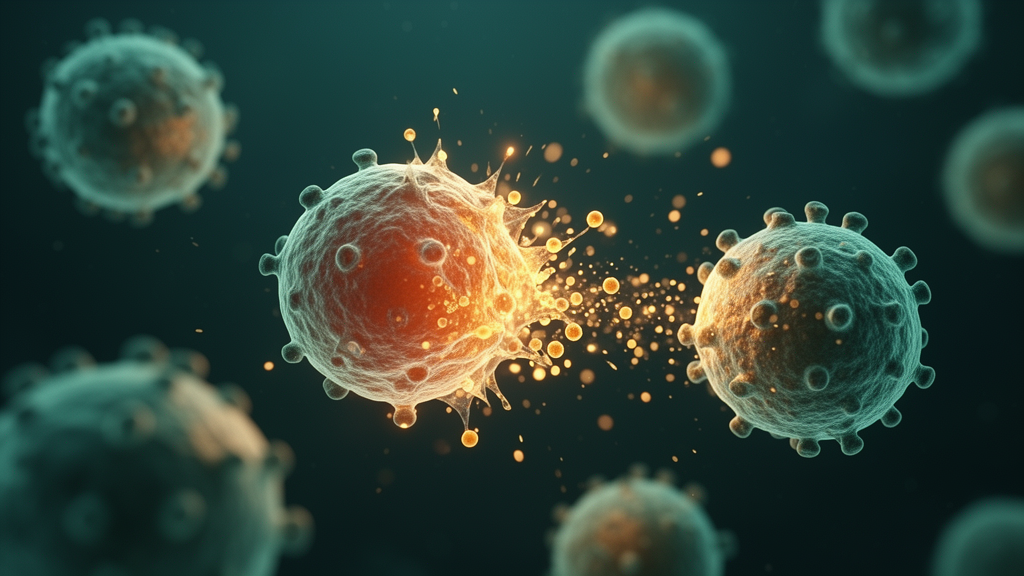
The defining feature that sets many of these pathways apart from apoptosis is their strongly pro-inflammatory character. Rather than disposing of cells quietly, these death programs promote the release of damage-associated molecular patterns (DAMPs), cytokines, oxidized lipids and autoantigens. The review notes that this release enhances both innate and adaptive immune responses, creating conditions in which the immune system may be further activated against the body’s own components. In this way, cell death is not merely a consequence of autoimmune inflammation but can act as a driver of it, feeding cycles of immune activation and tissue injury.
The review emphasizes that dysregulation of RCD pathways contributes to chronic inflammation, impaired self-tolerance, immune cell abnormalities and progressive tissue injury across a wide range of autoimmune conditions. The diseases listed by the authors include systemic lupus erythematosus, rheumatoid arthritis, inflammatory bowel disease, psoriasis, multiple sclerosis, Sjögren’s syndrome, systemic sclerosis, type 1 diabetes, ulcerative colitis, dermatomyositis, ankylosing spondylitis, chronic dermatitis, antiphospholipid syndrome, nephritis and ANCA-associated vasculitis. The breadth of this list underscores the authors’ argument that regulated cell death is a common thread linking diseases that differ widely in their clinical presentation and affected organs.
A central message of the review is that these death pathways do not operate in isolation. Instead, the authors describe an interconnected network with extensive molecular crosstalk and compensatory interactions that influence disease progression. The review accordingly examines the molecular mechanisms underlying the emerging RCD pathways, their cell-specific roles in autoimmune diseases, and the evidence linking their involvement to disease initiation and progression.
On the therapeutic front, the review surveys both current and potential approaches that target major regulators of ferroptosis, pyroptosis, necroptosis, PANoptosis, NETosis, cuproptosis and parthanatos. The authors position these strategies as opportunities to restore immune tolerance and control chronic inflammatory damage, rather than as established treatments. They also suggest that a better understanding of the integrated RCD network may facilitate the discovery of novel biomarkers and support the development of innovative therapies for autoimmune diseases.
As a review article, the work synthesizes existing literature rather than presenting new experimental data; the authors state that no datasets were generated or analysed during the study. Its conclusions therefore reflect the current state of published research on regulated cell death in autoimmunity, and the therapeutic possibilities it describes remain at the level of research directions to be tested. Nevertheless, the review offers a consolidated map of a rapidly expanding field, one that reframes cell death not simply as a cleanup mechanism but as an active, inflammatory and interconnected set of processes with the potential to shape the onset and progression of autoimmune disease.
Subject of Research: The role of non-apoptotic regulated cell death pathways in autoimmune disease mechanisms and therapy.
Article Title: Regulated cell death in autoimmune diseases: molecular mechanisms and therapeutic opportunities
Article References: Taheri, Z., Zarei-Behjani, Z., Daryabor, G., Khodaei, M., Saberi, F., Ghani, S., Darya, G., & Dehghan, Z. (2026). Regulated cell death in autoimmune diseases: molecular mechanisms and therapeutic opportunities. Molecular Biology Reports, 53(1), Article 1506. https://doi.org/10.1007/s11033-026-12684-z
Image Credits: AI Generated
DOI: 10.1007/s11033-026-12684-z
Keywords: regulated cell death, autoimmune diseases, ferroptosis, pyroptosis, necroptosis, PANoptosis, NETosis, parthanatos, cuproptosis, apoptosis, immune tolerance, inflammation
News Source: Drew Townsend. (October 28, 2026). Beyond Apoptosis: How Inflammatory Cell Death Pathways Shape Autoimmune Disease. Scienmag.