Supplementation with the non-proteogenic amino acid beta-alanine partially attenuated the development of symptoms driven by glucocorticoid excess in female mice, according to research published in the journal Amino Acids. Investigators found that administering beta-alanine alongside high doses of corticosterone prevented the onset of glucose intolerance and limited several physical manifestations associated with Cushingoid metabolic conditions.
Exogenous glucocorticoids are extensively utilized across medical practice to combat a wide spectrum of health conditions. However, sustained excess of these exogenous compounds leads to severe adverse metabolic disorders, most prominently Cushing’s syndrome, which is characterized by a well-defined physical and metabolic phenotype. The investigation sought to determine whether beta-alanine could directly mitigate the progression of this pathological state.
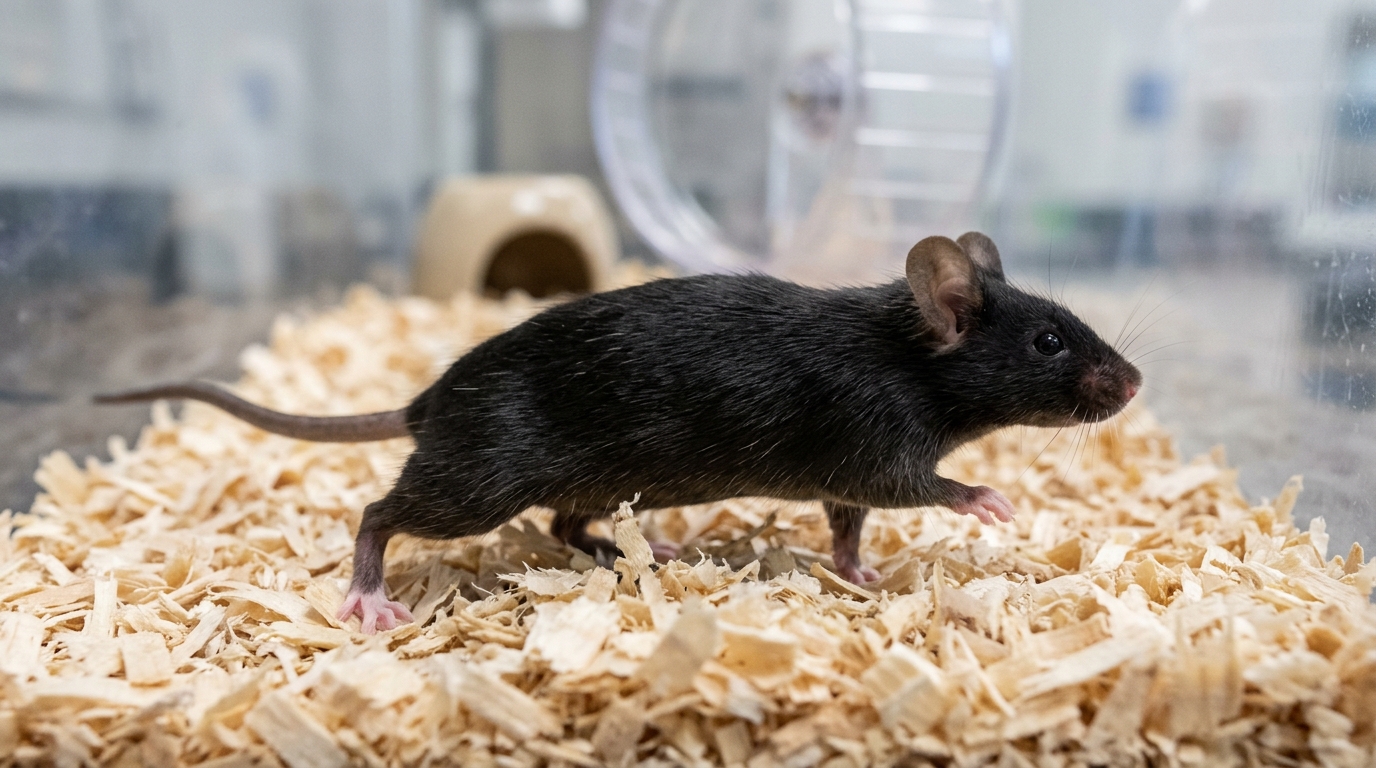
To assess the therapeutic potential of the compound, the research team treated female C57BL/6J mice with high-dose corticosterone or a vehicle control, administering each treatment either with or without beta-alanine over a three-week experimental period. During the final week of the treatment protocol, the researchers conducted indirect calorimetry to analyze physiological changes, and they formally evaluated systemic glucose tolerance at the conclusion of the trial.
The resulting measurements showed that beta-alanine partially attenuated the emergence of the Cushingoid phenotype, yielding a reduction in central adipose accumulation and curbing overall bodyweight gain. The intervention also produced a trended reduction in liver weight. Metabolically, beta-alanine reversed an apparent corticosterone-induced increase in energy expenditure, while further restricting the treated mice to carbohydrate utilization.
Despite alterations in fuel utilization, beta-alanine completely preserved glucose tolerance in the treated animals, indicating a distinct protective role against steroid-driven glycemic dysfunction. The authors concluded that beta-alanine demonstrates a novel therapeutic role in mitigating specific symptoms resulting from exogenous glucocorticoid exposure, while noting that further investigation is required to establish the full extent of protection and clarify the biological mechanisms involved.
Because the current study was restricted to an animal model and focused on physiological assessments following exogenous glucocorticoid administration, these rodent observations cannot be interpreted as established clinical outcomes in human patients.
Subject of Research: Beta-alanine effects on glucocorticoid-induced metabolic symptoms in mice
Article Title: Beta-alanine provides partial protection against the development of symptoms driven by glucocorticoid excess
Article References: Heaselgrave, S. R., Deng, M., Lavery, G. G., & Doig, C. L. (2026). Beta-alanine provides partial protection against the development of symptoms driven by glucocorticoid excess. Amino Acids, 58(1), Article 61. https://doi.org/10.1007/s00726-026-03536-y
Image Credits: AI Generated
DOI: 10.1007/s00726-026-03536-y
Keywords: beta-alanine, glucocorticoids, Cushing's syndrome, glucose tolerance, mouse models, corticosterone, energy expenditure, metabolic conditions, provides, partial, protection, against
News Source: Drew Townsend. (November 6, 2026). Beta-Alanine Partially Mitigates Symptoms of Glucocorticoid Excess in Mice. Scienmag.